
Last updated November 2, 2026
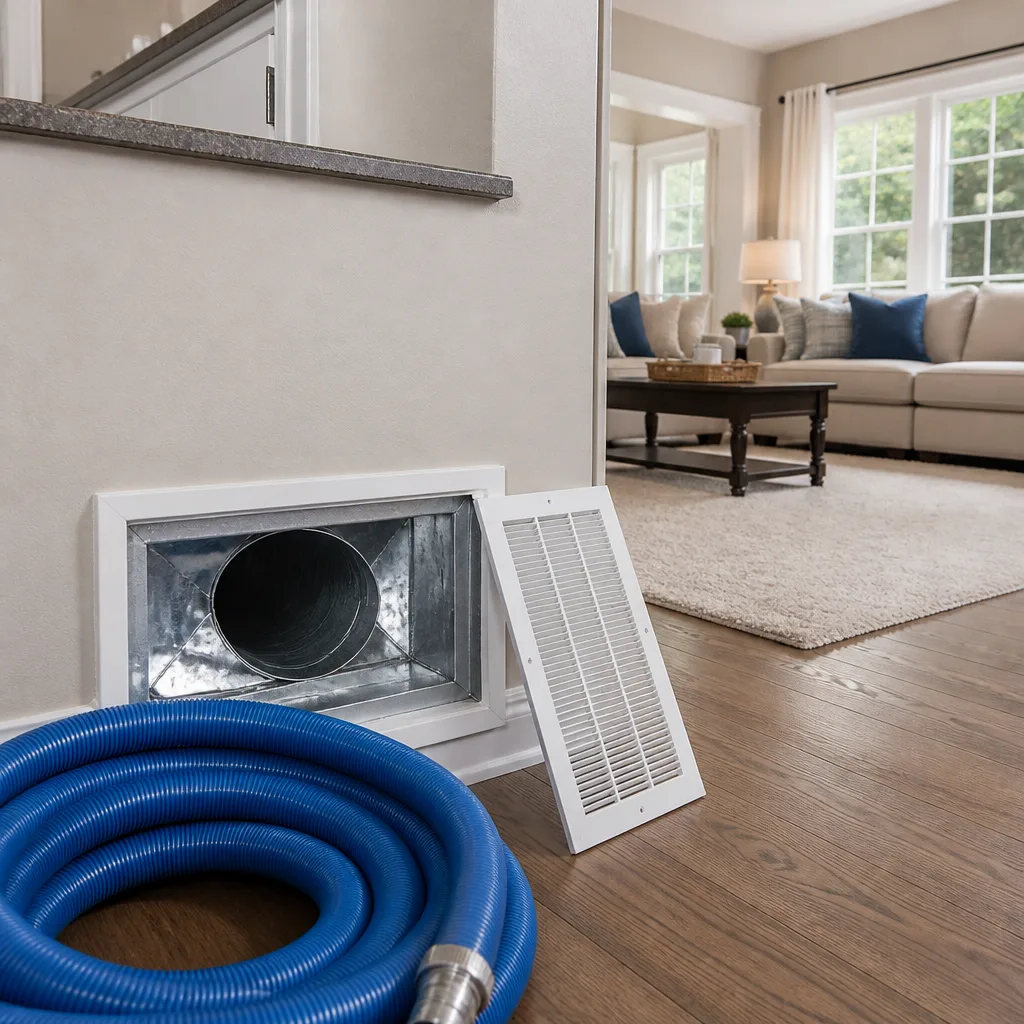 Whole-home duct cleaning
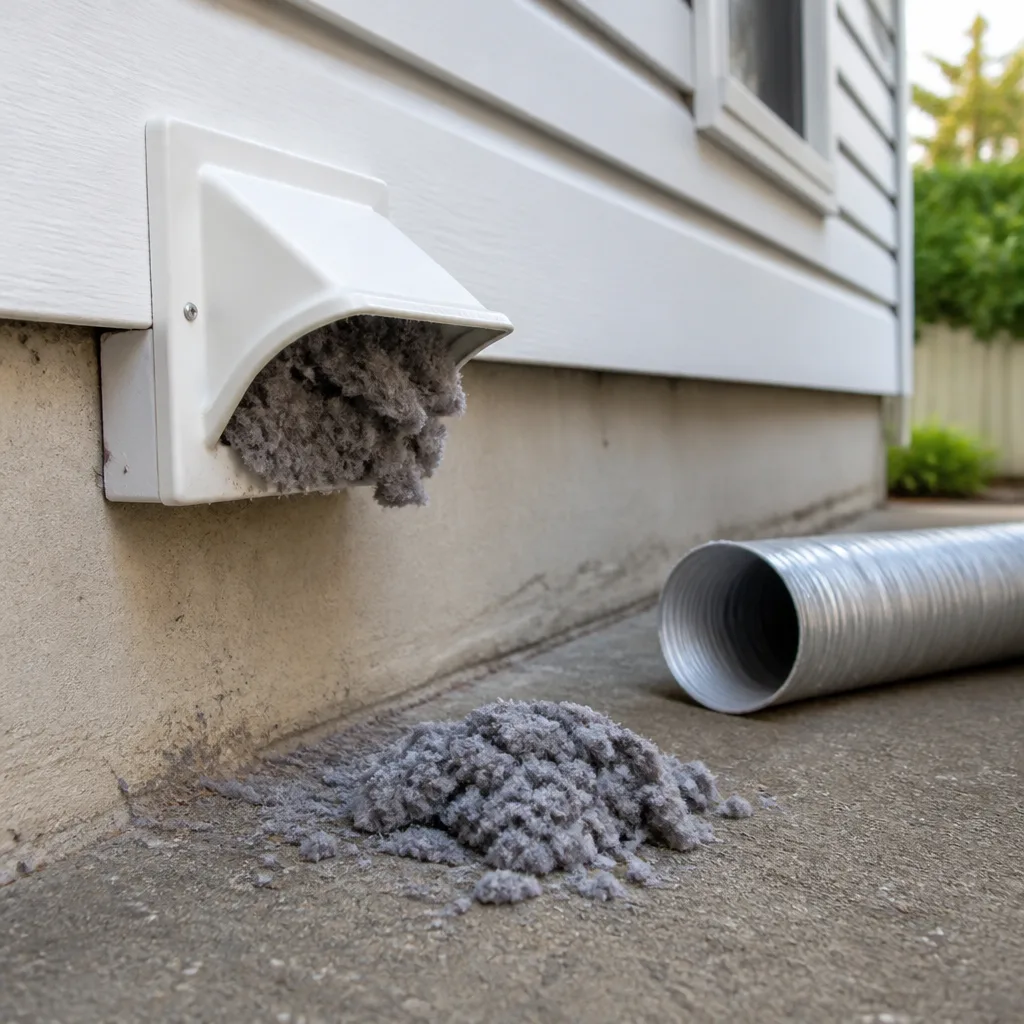 Dryer vent cleaning
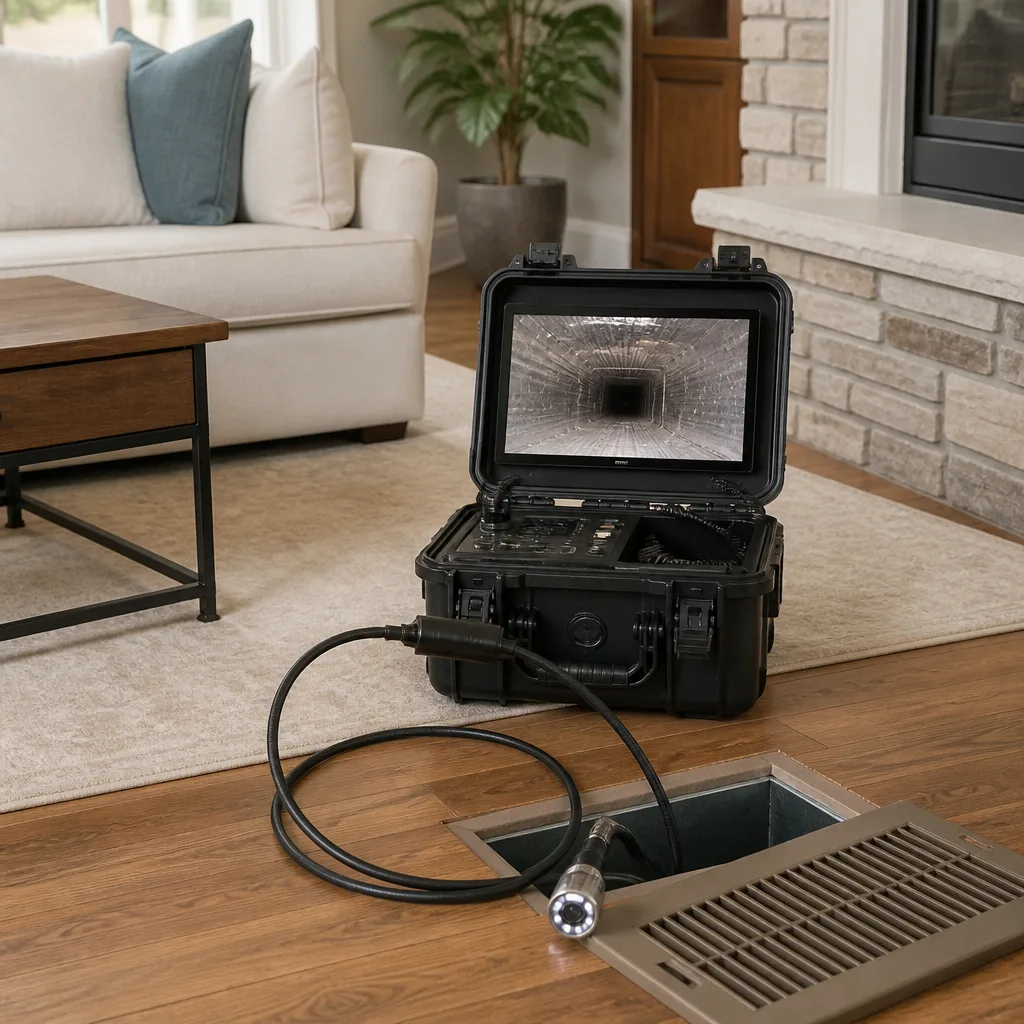 Camera inspection
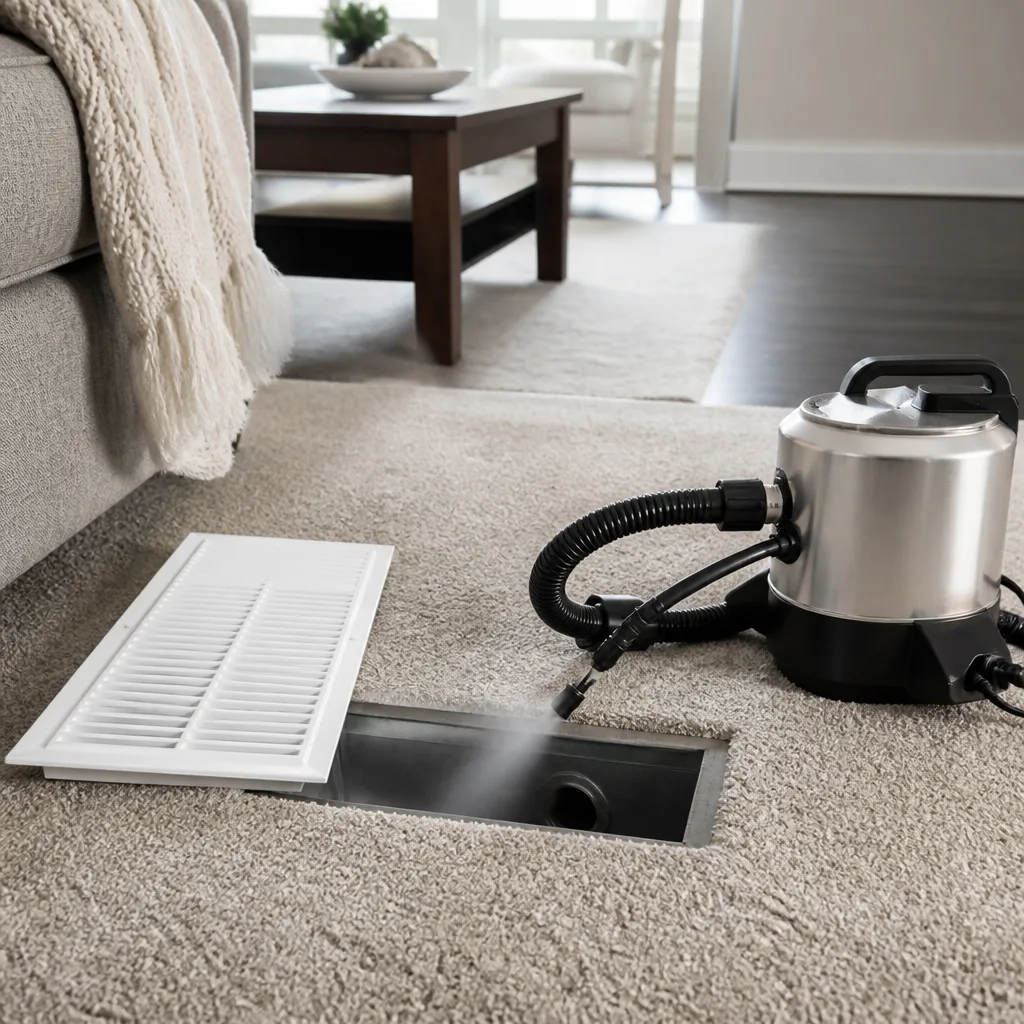 Sanitizing & deodorizing
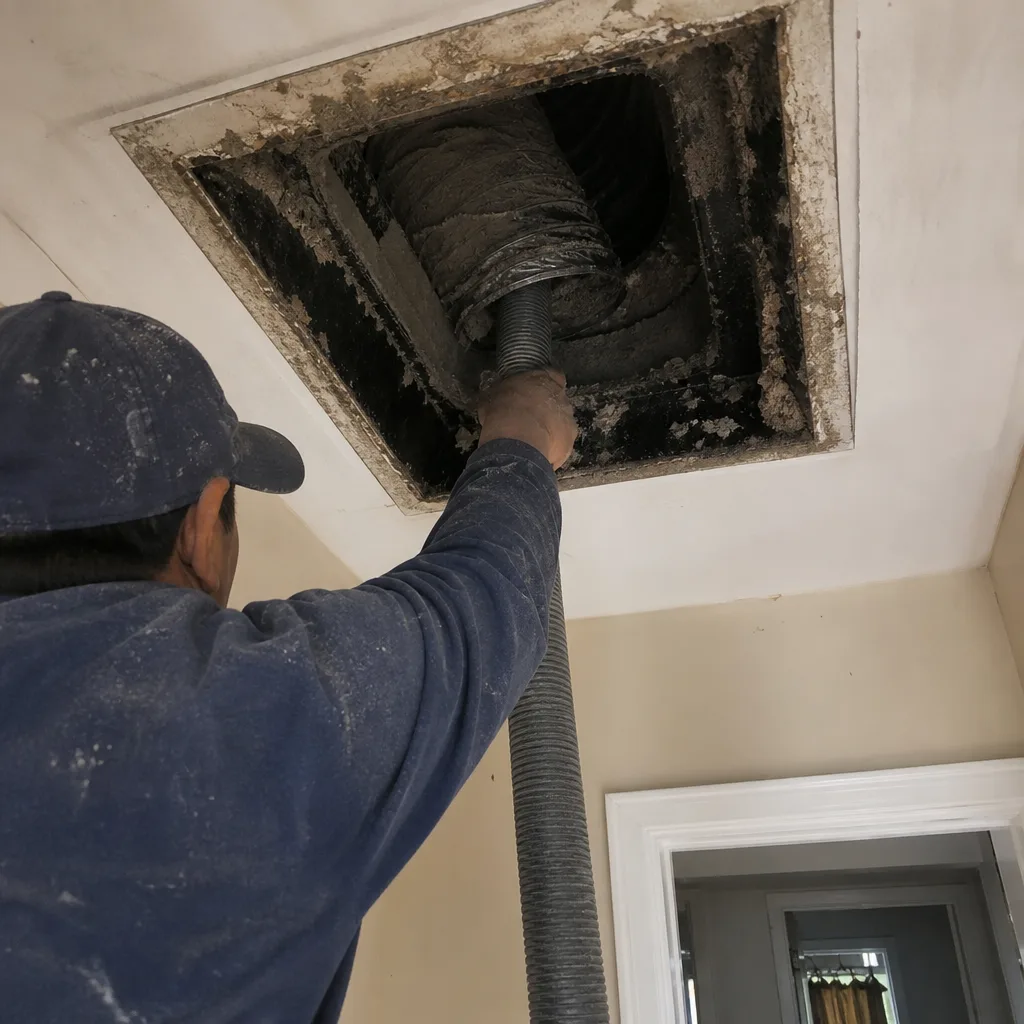
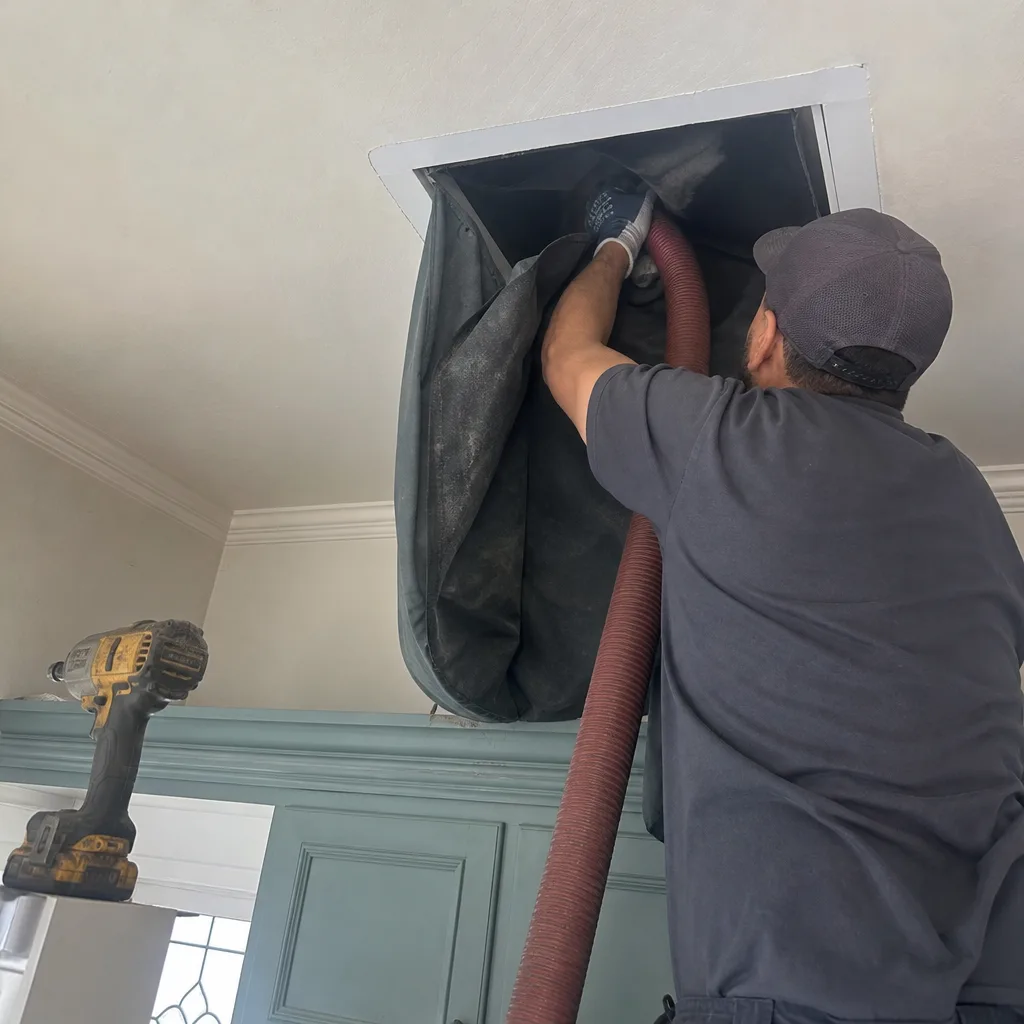
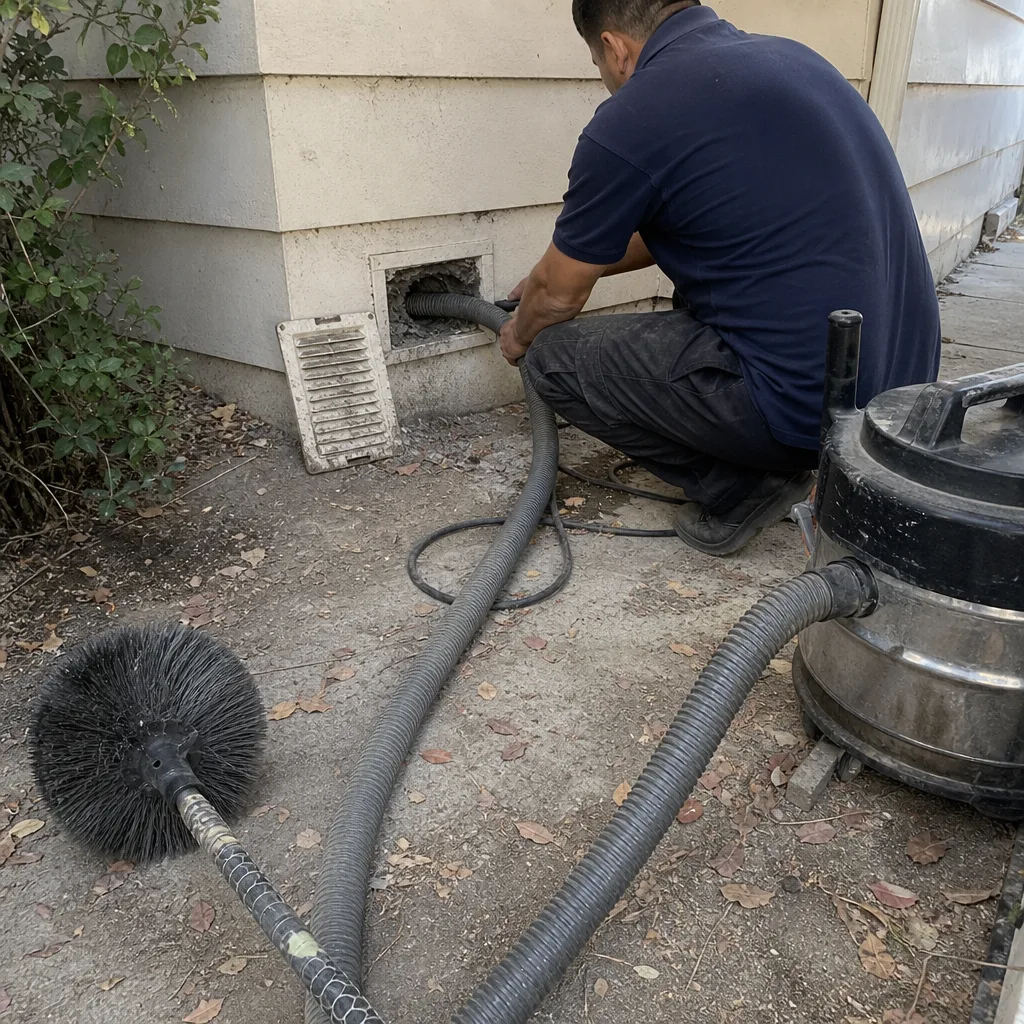
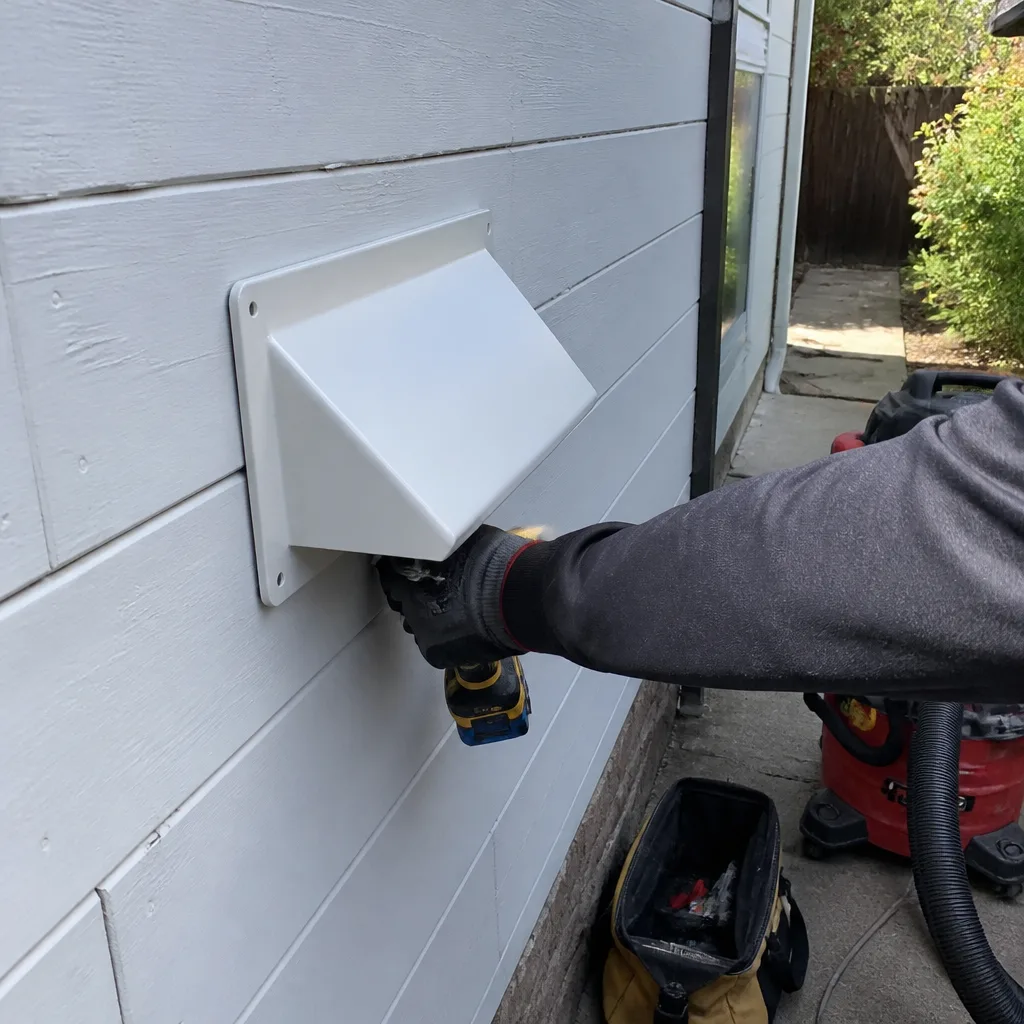
Whole-system duct and dryer vent check with before-and-after photos - you see exactly what came out of your vents
That "$99 whole-house special" is a bait ad - the real number appears once they are in your hallway, or the "clean" is a shop-vac at the register. We photograph the inside of your ducts before and after instead.
Air Duct Cleaning Emergency Preparedness Guide for Alameda Homes
During the 2018 Camp Fire, Bay Area HVAC systems pulled smoke particulate into ductwork for days on end. Most of it is still there, sitting in homes where the ducts were never flushed after the sky cleared. Alameda’s island position makes this worse, not better. When wildfire smoke settles over the Bay, it lingers in the marine layer, and every time your system cycles, it draws that particulate into the duct runs. This guide covers what Alameda homeowners need to know before, during, and after an air-quality emergency, from smoke events to earthquake dust infiltration to flood contamination, and our Air Duct Cleaning Maintenance Checklist for Alameda Homeowners offers a printable companion to the steps below. You will learn when to shut your system down, what to document for insurance, and how to verify that any cleaning actually removed what went in.
Quick Answer
Air duct cleaning after an emergency matters because contaminants like wildfire smoke particulate, post-earthquake dust, and flood-driven sewage residue do not leave your ductwork on their own. The system recirculates them through your living space every time it runs. The right sequence is: shut the HVAC down, replace filters, document conditions, then schedule our Air Duct Cleaning services so a professional with equipment that captures rather than redistributes debris can inspect and clean the ducts.
Styles & brands we work with
- Whole-home duct cleaning
- Dryer vent cleaning
- Camera inspection
- Sanitizing & deodorizing
Table of Contents
- Wildfire Smoke and Your Duct System: The Shutdown Protocol
- Post-Earthquake Duct Inspection: What Alameda’s Liquefaction Zone Means
- Flooding and Duct Contamination: When Cleaning Is Not Enough
- Documenting Duct Damage for Insurance Claims
- Establishing a Baseline Duct Condition Record Before an Emergency
- The Post-Event Cleaning Sequence: What Actually Gets Done
- Common Mistakes to Avoid
- When to Call a Professional
- Frequently Asked Questions
Wildfire Smoke and Your Duct System: The Shutdown Protocol
Wildfire smoke is not one contaminant. It is a mixture of fine particulate (PM2.5), volatile organic compounds from burning structures, and in Alameda’s case, whatever the wind carries across the Bay from fires in the East Bay hills, Napa, or farther north. When smoke settles over the island, your HVAC system becomes a pump. Every cycle draws outdoor air through any gaps in the return path and pushes it through the duct runs, where particulate accumulates on the interior surfaces. That accumulation sits there during normal operation and resuspends every time airflow passes over it.
The shutdown decision is the most important one you will make during a smoke event. Here is the protocol we recommend to Alameda homeowners:
- Shut the system down when AQI exceeds 150. This is the EPA threshold for unhealthy air. Running your HVAC during heavy smoke does not protect you unless the system is designed with the right filtration, and most residential systems in Alameda are not.
- Do not run the fan-only mode. Fan-only mode still pulls air from somewhere. If the return path is not sealed, it pulls smoky outdoor air into the ducts without the benefit of filtration.
- Close the fresh-air intake if your home has one. Many newer Alameda homes, particularly those built under Title 24 energy codes, have mechanical fresh-air intakes. Find it and close it.
- Seal window gaps and door thresholds before smoke arrives. Not after. Once smoke is in the home, it has already entered the return path.
- Do not restart the system after the smoke clears without replacing the filter first. The filter is loaded with particulate and can release it back into the system. Replace it, then run the system briefly and inspect the supply registers for visible soot.
After a sustained smoke event, the sequence matters more than the timing. Air Duct Cleaning in Alameda after a wildfire event should follow filter replacement, not precede it. You want the capture surface fresh before you start dislodging what has settled in the runs. Homes in Alameda’s older neighborhoods, like the Victorian stock in the Gold Coast or the mid-century builds in Bay Farm Island, often have duct systems that were installed decades ago and have never been opened. Those systems hold more smoke particulate simply because they have more interior surface texture to catch it.
Post-Earthquake Duct Inspection: What Alameda’s Liquefaction Zone Means
Alameda sits on the Hayward Fault, and large portions of the island are mapped in high or very high liquefaction susceptibility zones. When the ground shakes, saturated soil behaves like a liquid. Structures shift. Duct systems shift with them. The problem is that most of that movement happens in places you cannot see: flexible duct connections that pull loose, rigid duct joints that separate, and insulation that tears away from the exterior of the duct runs.
After any earthquake strong enough to rattle dishes, walk through this inspection checklist before you run the system again:
- Check every accessible register and grille. Remove the cover and look inside with a flashlight. Debris that was not there before, visible gaps at the connection point, or a register that no longer sits flush against the wall or floor are all signs of movement.
- Inspect the crawlspace or basement if you have one. Alameda has thousands of homes with raised foundations. Flexible ducts in the crawlspace are the most vulnerable part of the system. Look for sagging, disconnected runs, or insulation that has pulled back from the duct body.
- Check the plenum connections at the furnace or air handler. A shifted air handler can separate from the supply plenum. This is a large leak point and a direct path for crawlspace air into your living space.
- Listen for new sounds. A whistling noise that was not there before the quake usually means a new air leak. A rattling noise usually means debris inside the duct.
- Do not tape it yourself. Duct tape fails. Foil tape applied to a dirty surface fails. If you find a separation, have it repaired with the right materials. Air Duct Repair in Alameda addresses the root cause, not the symptom.
In our experience, post-earthquake duct inspections in Alameda turn up more insulation displacement than anything else. The shaking settles insulation in wall cavities and attic spaces, and old duct insulation sometimes simply falls away. That leaves exposed duct runs sweating in the marine air, which creates its own contamination problem over time.
Flooding and Duct Contamination: When Cleaning Is Not Enough
Alameda is an island. Sea level rise and storm surge are real threats to low-lying neighborhoods, and the city’s storm drain system can back up during heavy rain combined with high tides. When water enters a crawlspace, it finds the lowest points of the duct system. That is usually the return runs under the floor. Even a few inches of standing water in a crawlspace can compromise ducts if the water carries sewage, which it often does during combined sewer overflow events.
Here is what you need to know about flood-contaminated ducts:
- Water alone is a problem. Saturated duct insulation does not dry out in a crawlspace environment. It stays damp, and damp insulation inside a duct liner becomes a habitat for biological growth.
- Sewage backup changes the classification. Any duct material contacted by sewage-derived water is classified as contaminated. This is a remediation-grade situation, not a surface cleaning job. If you smell sewage near your registers after a flood, do not run the system.
- Replacement may be required. Porous duct materials that have absorbed contaminated water cannot be reliably cleaned. In many flood scenarios, sections of ductwork, or the entire run, need to come out. Our position at Everclear Air Duct Cleaning is straightforward: if the material cannot be verified clean, it should be replaced. We will tell you that directly.
- Negative air containment matters here. When flood-contaminated ducts are opened, the debris inside becomes airborne. Without containment, that debris moves into the living space. We use Abatement Technologies negative air and containment equipment on jobs like this because the goal is capture, not redistribution.
If your crawlspace flooded in Alameda, the sequence is: pump and dry the crawlspace first, then assess the ducts. Cleaning ducts that sit in a still-wet environment is wasted work. The moisture problem has to be solved before the contamination problem can be solved.
Documenting Duct Damage for Insurance Claims
Insurance adjusters are not duct specialists. They need documentation that translates duct damage into claim language. The more specific the documentation, the harder it is to deny. Here is what to gather before you call your insurer:
- Photographs of every register and return grille before the event. This is your baseline. Without it, you cannot prove what changed.
- Photographs of the outdoor conditions during the event. For smoke, photograph the skyline. For floods, photograph the water line on your foundation. These establish causation.
- Interior photos after the event. Open the register covers and photograph what you see. Particulate on the register face, visible debris inside the duct, water staining on the boot, anything.
- A written timeline. When the event started, when you shut the system down, when you restarted it. Insurance companies like timelines.
- A professional assessment report. Many policies will reimburse for duct cleaning or repair if a professional documents that contamination exists and is attributable to the covered event. A report that says “ducts contain ash particulate consistent with wildfire smoke exposure” is far stronger than “ducts are dirty.”
Do not clean before you document. This is the most common insurance mistake we see in Alameda. Homeowners want the contamination gone, so they hire a cleaner immediately, and the cleaner removes the evidence the adjuster needed to see. Document first. Then clean. If you cannot wait because the air is unbreathable, take the most detailed photos you can before any work begins.
Establishing a Baseline Duct Condition Record Before an Emergency
Most Alameda homeowners have never opened a register cover. That means they have no idea what their ducts looked like before an emergency. When an insurance claim hinges on proving that the ducts are worse after a smoke event or a flood than they were before, the baseline is the difference between a paid claim and a denial.
A baseline record does not need to be elaborate. It needs three components:
- Photographs of the interior of every accessible register and return. Use your phone. Point the camera into the duct, not at the register face. You want to capture what the interior surfaces look like today.
- A note of the system’s last professional cleaning or inspection date. If you had the ducts cleaned in 2019, write that down. It establishes that the system was in a known condition at a known date.
- A filter record. When you change filters, write the date on the filter frame and photograph it. A filter timeline shows that the system was maintained, which matters when an adjuster tries to attribute contamination to neglect.
Store this record somewhere accessible. Cloud photo storage works. So does a physical folder. The point is that you can produce it on demand months or years later. This is not paranoia. Alameda is a wildfire-smoke exposure zone, an earthquake zone, and a flood-risk zone. The question is not whether the ducts will be exposed to something. It is when, and whether you can prove what happened.
The Post-Event Cleaning Sequence: What Actually Gets Done
When you schedule a post-emergency duct cleaning, there is a correct sequence. Skipping steps or doing them out of order reduces the value of the work. Here is the sequence we follow at Everclear Air Duct Cleaning when we respond to an Alameda home after a contamination event (for deeper context, see our guide on Air Duct Cleaning Permits, Codes & Inspections in CA: What You Need to Know):
- Visual inspection of the full system. Every register, every return, the air handler, the plenums, and the accessible duct runs. This is where we identify what the contaminant is, where it accumulated, and whether any duct sections are damaged beyond cleaning.
- Filter replacement or upgrade. The existing filter is always loaded. We replace it before cleaning begins, and we talk to you about whether a higher-MERV filter from Honeywell or Aprilaire makes sense for your system. Not every system can handle high-MERV filters due to static pressure, so we assess rather than assume.
- Access and containment setup. We open the system at the supply and return plenums and seal the registers. On contamination jobs, we run negative air through Abatement Technologies equipment so that what we dislodge is captured, not pushed into your living room.
- Mechanical agitation of the duct interior. This is where the equipment matters. We run Rotobrush rotary brush systems through the runs to break the particulate bond from the interior surfaces. The brush does the loosening, not air pressure alone. A vacuum-only cleaning leaves bonded particulate behind.
- HEPA vacuum extraction. Nikro HEPA-rated vacuum equipment pulls the loosened debris through the collection system. HEPA filtration means the exhaust from the vacuum is cleaner than the air in most homes. The debris goes into sealed containment, not out a window.
- Post-cleaning verification. This is the part that separates a verifiable cleaning from a guess. We document what came out and inspect the accessible runs again before closing the system. You should be able to see the difference, and we make sure you can.
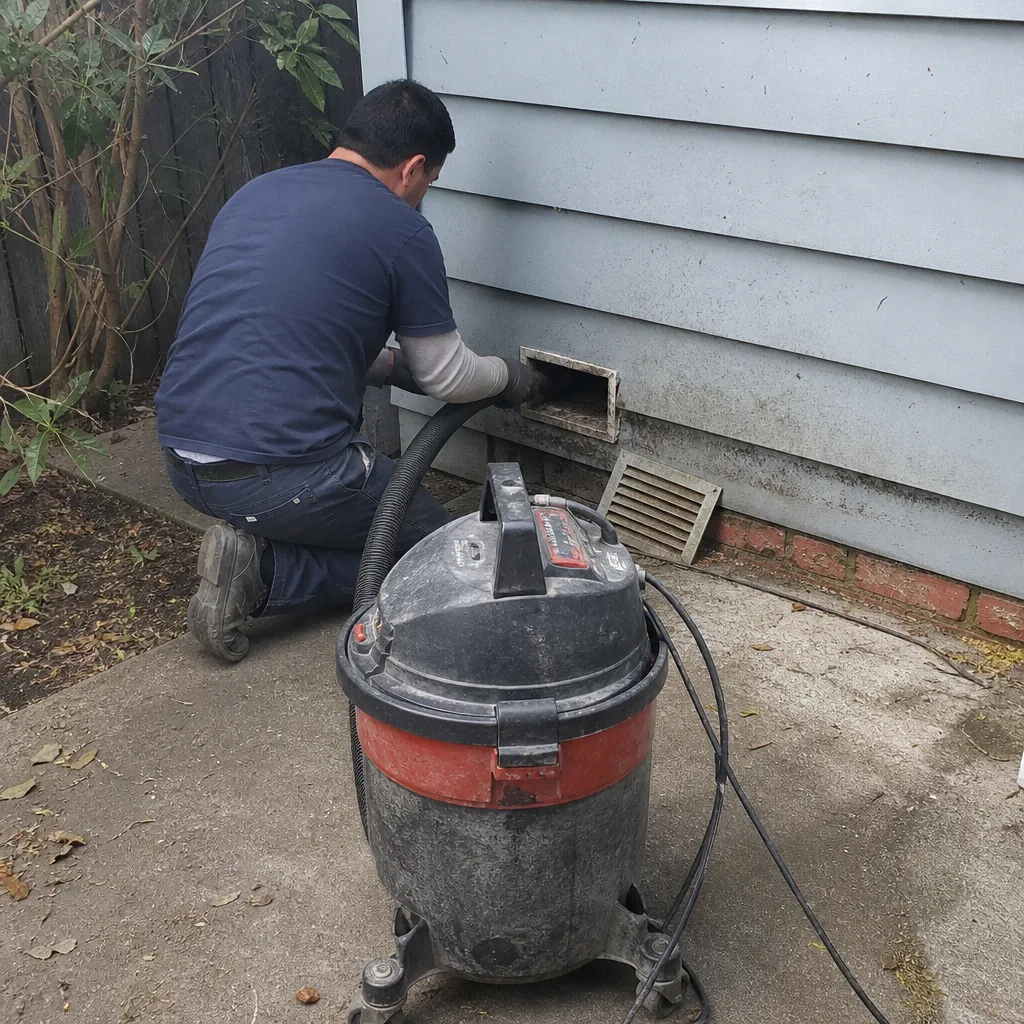
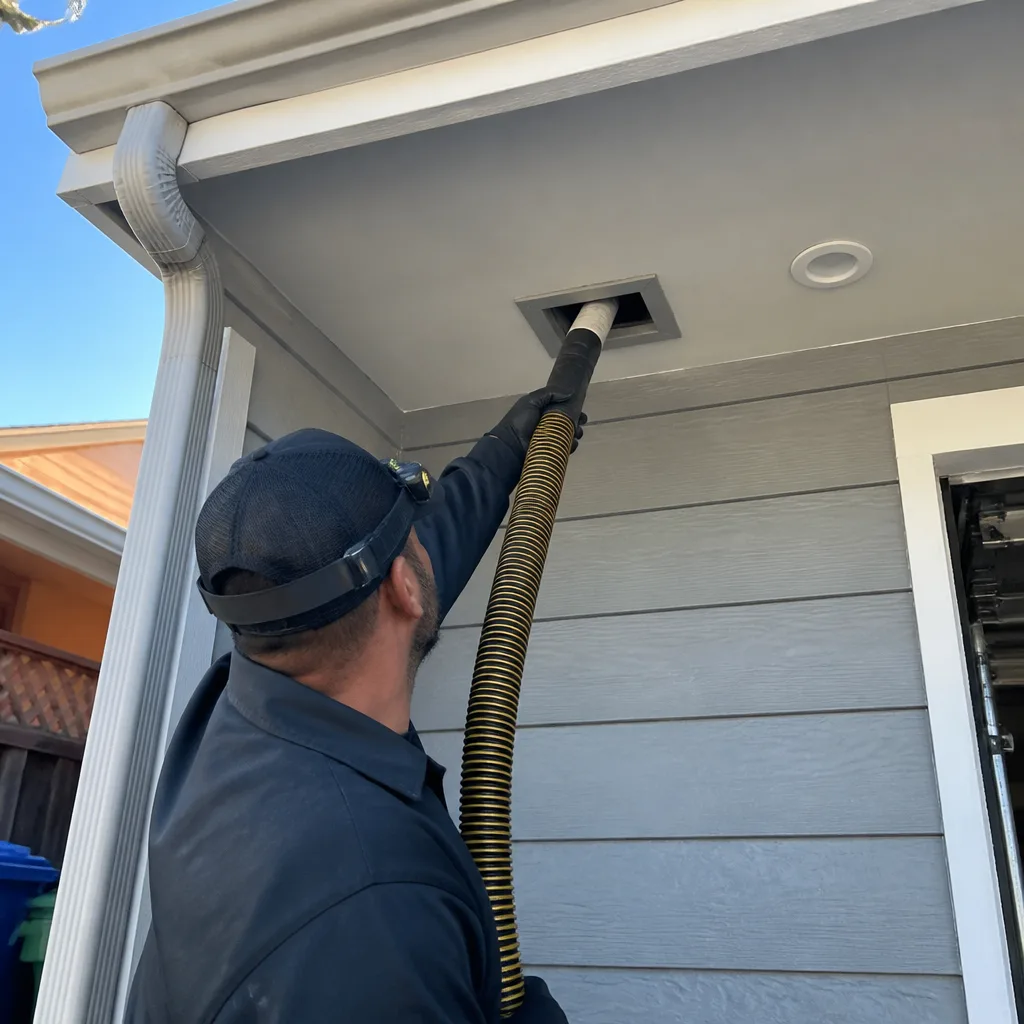
This sequence is the same framework we use for Dryer Vent Cleaning in Alameda when a home has been through a smoke or dust event. The dryer vent is part of the same air system, and a vent packed with smoke particulate or post-shake dust is a fire hazard, not just a lint problem.
Common Mistakes to Avoid
- Running the HVAC during a smoke event because “the filter will catch it.” A standard one-inch fiberglass filter catches almost none of the PM2.5 that makes wildfire smoke dangerous. You are pumping contamination into the ducts, not protecting the home.
- Calling a cleaner before documenting conditions. The evidence disappears into the vacuum. Insurance adjusters do not pay for what they cannot see.
- Assuming earthquake damage will be visible. Most duct separation after shaking happens in the crawlspace or inside wall cavities. You will not see it until you inspect, and by then the system has been pulling unfiltered air for weeks.
- Cleaning flood-contaminated ducts without addressing the moisture source. If the crawlspace is still wet, the ducts will be wet again within days. You are cleaning a symptom.
- Hiring on price alone after an emergency. The companies that advertise the lowest post-emergency prices are often pulling debris into a shop vac and calling it done. That work does not hold up to inspection, and it does not hold up in an insurance claim.
- Skipping the baseline record. Without before-photos, you cannot prove after-damage. This one mistake costs Alameda homeowners more than any other in claim denials.
- Restarting the system immediately after the all-clear. The filter is loaded. The ducts are loaded. Running the fan just resuspends everything you were trying to avoid.
When to Call a Professional
Some situations are beyond homeowner scope. After a smoke event that lasted more than 48 hours, after any earthquake that caused visible movement, or after any flood that reached the crawlspace, have the system inspected by someone who can open it and look inside. DIY duct cleaning is not a real thing. The duct interior is not accessible without professional equipment, and attempting to clean it with consumer tools dislodges more than it removes. You also want a written report for your insurance file. Everclear Air Duct Cleaning offers free estimates in Alameda. Call (833) 620-5944 and tell us what happened. We will tell you honestly whether cleaning is enough or whether sections need replacement.
Frequently Asked Questions
If you ran your HVAC during the smoke event, assume the ducts need attention. Look for visible soot on register faces, a persistent smoke smell when the system runs, or a film of fine gray particulate inside the register boots. If the smoke event lasted more than two days and the system ran at all, schedule an inspection regardless of what you can see. Call (833) 620-5944 for a professional assessment in Alameda.
No. Consumer equipment cannot reach the interior surfaces of the duct runs, and the agitation it does cause pushes debris into the living space rather than capturing it. Professional systems like the Rotobrush and Nikro equipment we use are designed for full-run access and HEPA capture. Ducts that are not visible cannot be cleaned with tools that cannot reach them.
Whole-system duct cleaning in Alameda typically ranges from $450 to $900 for an average-sized home, depending on the number of runs, system accessibility, and the severity of contamination. Post-smoke or post-flood jobs may run higher if containment or remediation protocols are required. Reputable companies quote a flat price per system, not a low per-vent teaser price that multiplies once the technician arrives. Call (833) 620-5944 for an exact quote based on your system.
Many homeowner policies cover duct cleaning or replacement when contamination is attributable to a covered event, but only if you can document the causation. That means before-photos, a timeline, and ideally a professional assessment report that links the duct condition to the event. Clean first, claim later almost always results in a denial. Document first, then clean, then file.
Inspection every two to three years is reasonable for most Alameda homes, with more frequent inspection if you live in an older home with original ductwork, have pets that shed heavily, or have gone through a smoke or dust event. The baseline record approach we recommend makes this practical: photograph your registers today, and you have a comparison point for every future inspection. For ongoing care tips, explore more guides & resources on our blog.
It depends on water contact. Ducts that were exposed to clean standing water may be cleanable if the insulation did not saturate. Ducts exposed to sewage-contaminated water are often not cleanable to a safe standard because the porous materials absorb contaminants. A professional will tell you the difference. We do not clean what cannot be verified clean. Call (833) 620-5944 and we will give you an honest assessment, including whether replacement makes more sense than cleaning.
The Bottom Line
Alameda’s emergency profile is specific: wildfire smoke trapped by the marine layer, shaking from the Hayward Fault, and flood risk from the island’s geography. Each of these can contaminate a duct system in hours. The homeowner who has a baseline record, knows the shutdown protocol, and documents before cleaning is in a materially better position than the homeowner who reacts blindly. Emergency duct cleaning is not a luxury service. It is part of restoring the home to a condition where the air you breathe is not carrying evidence of the disaster. Prepare the record, know the sequence, and when in doubt, call a professional who can show you what came out. Everclear Air Duct Cleaning home serves Alameda with equipment built for verification, not guessing.
Written by the team at Everclear Air Duct Cleaning, serving Alameda since 2017.
See the difference
 Before
 After
 Before
 After
 Before
 After