
Last updated November 2, 2026
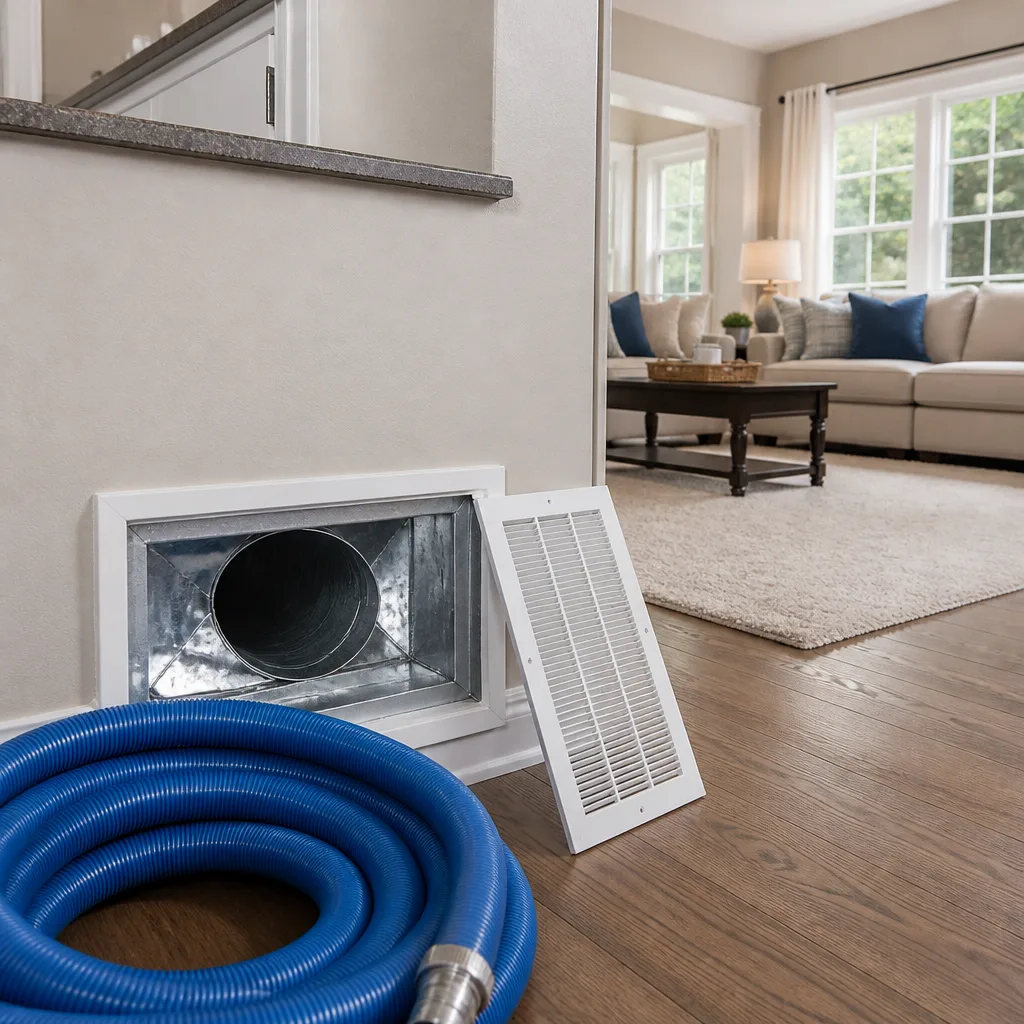 Whole-home duct cleaning
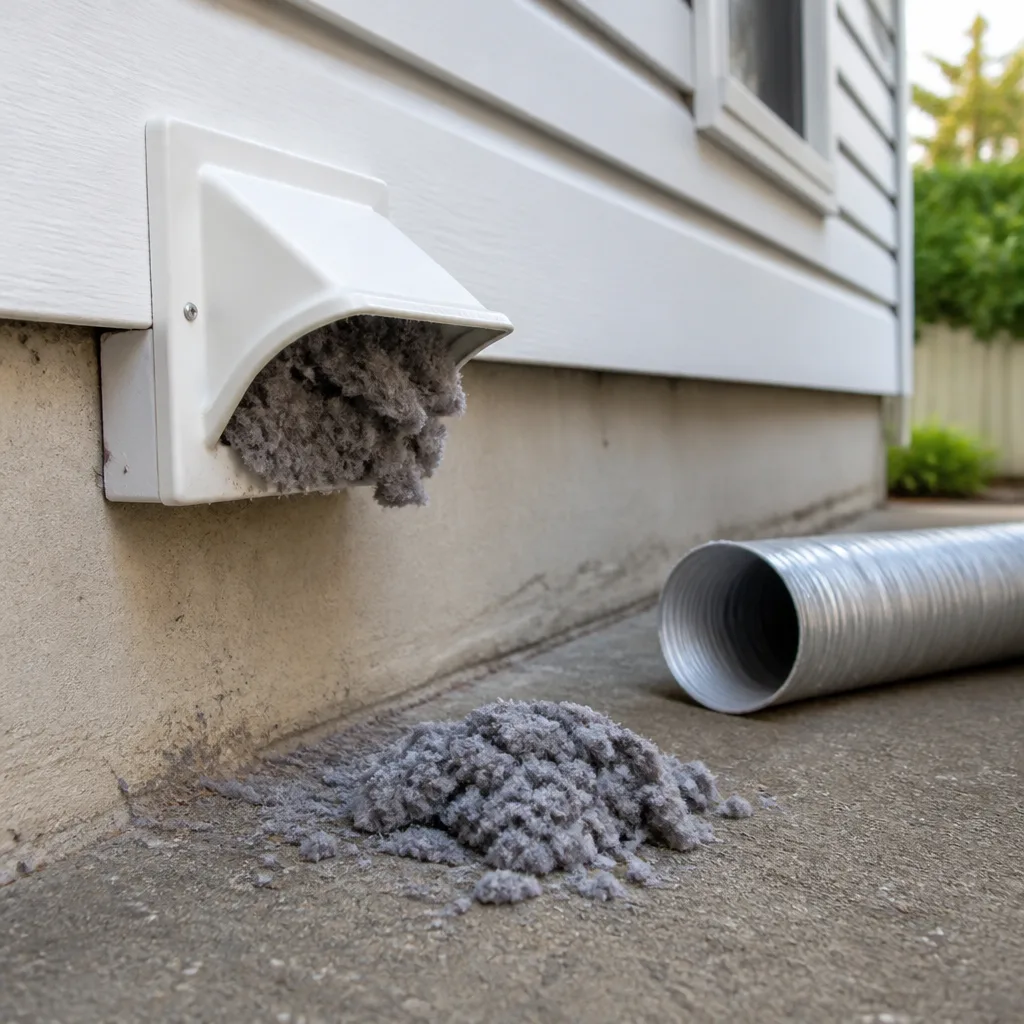 Dryer vent cleaning
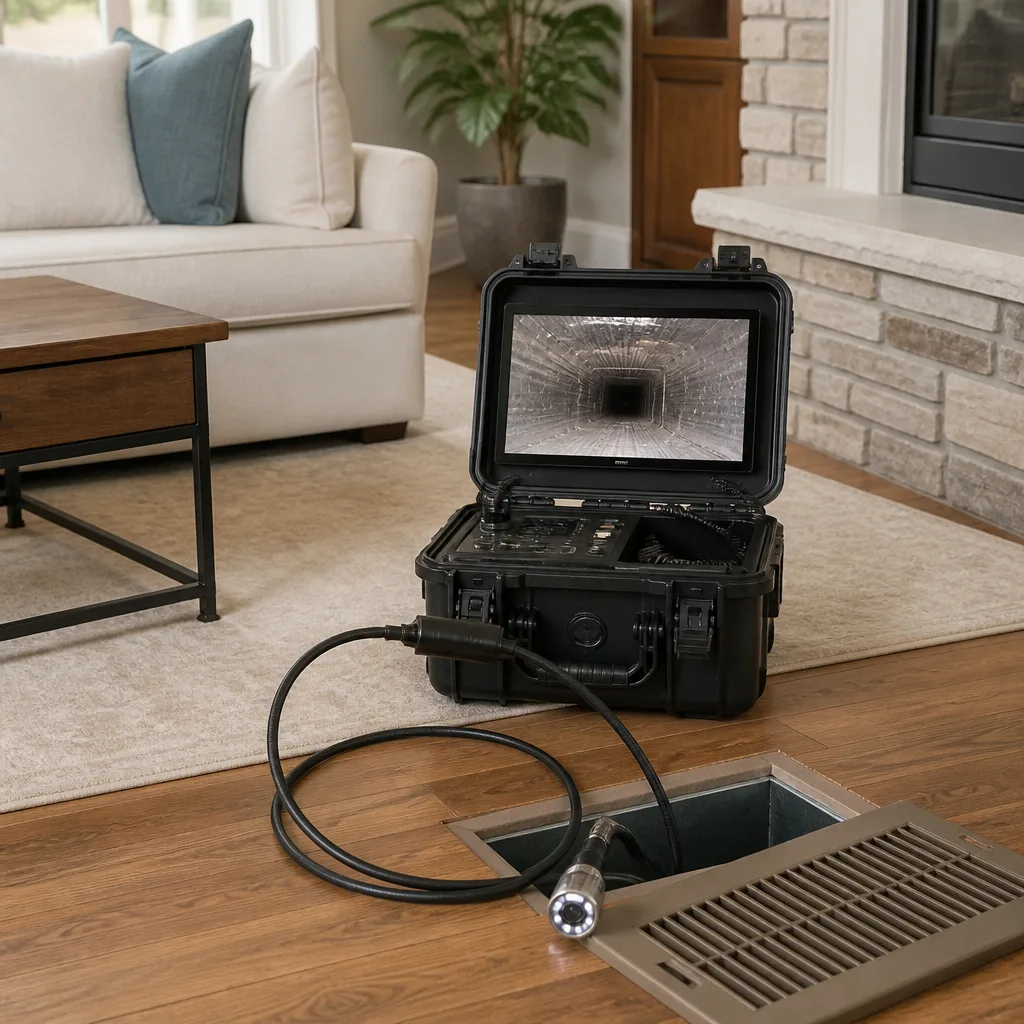 Camera inspection
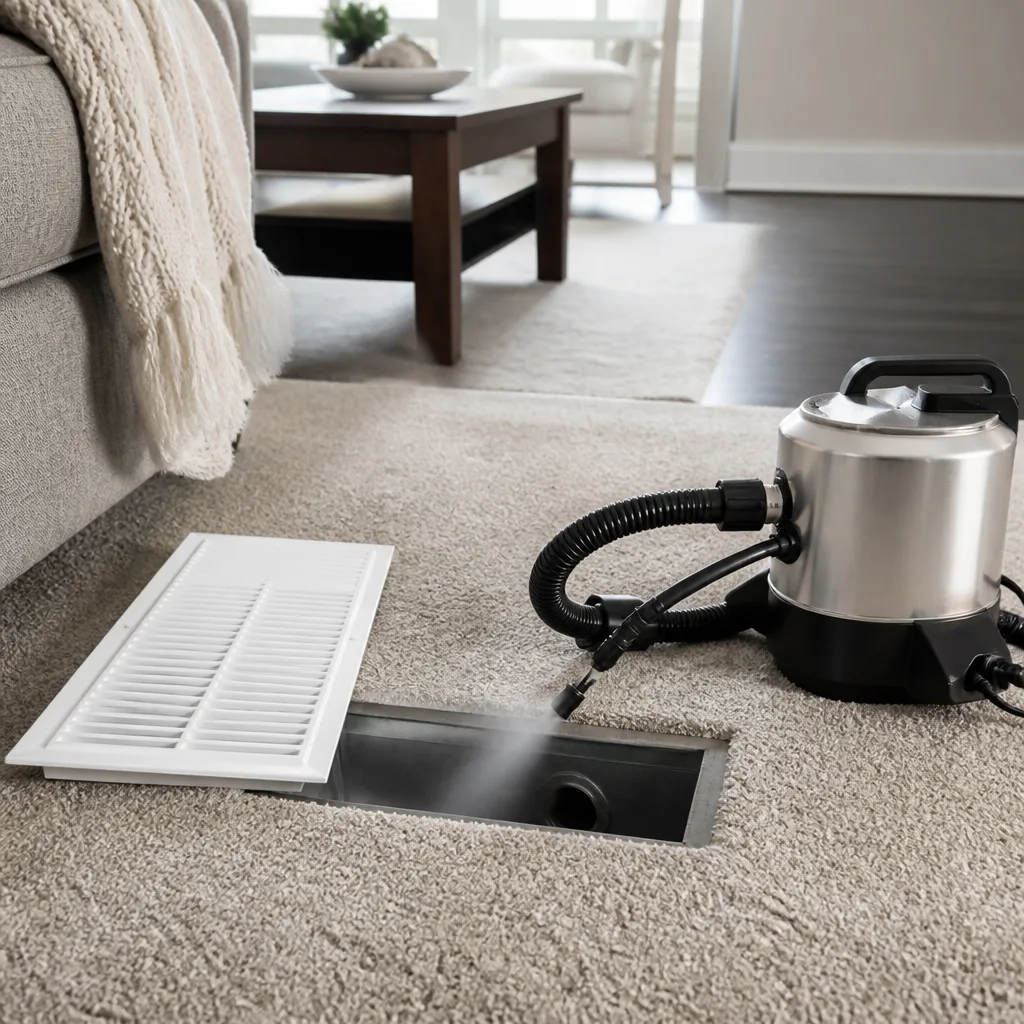 Sanitizing & deodorizing
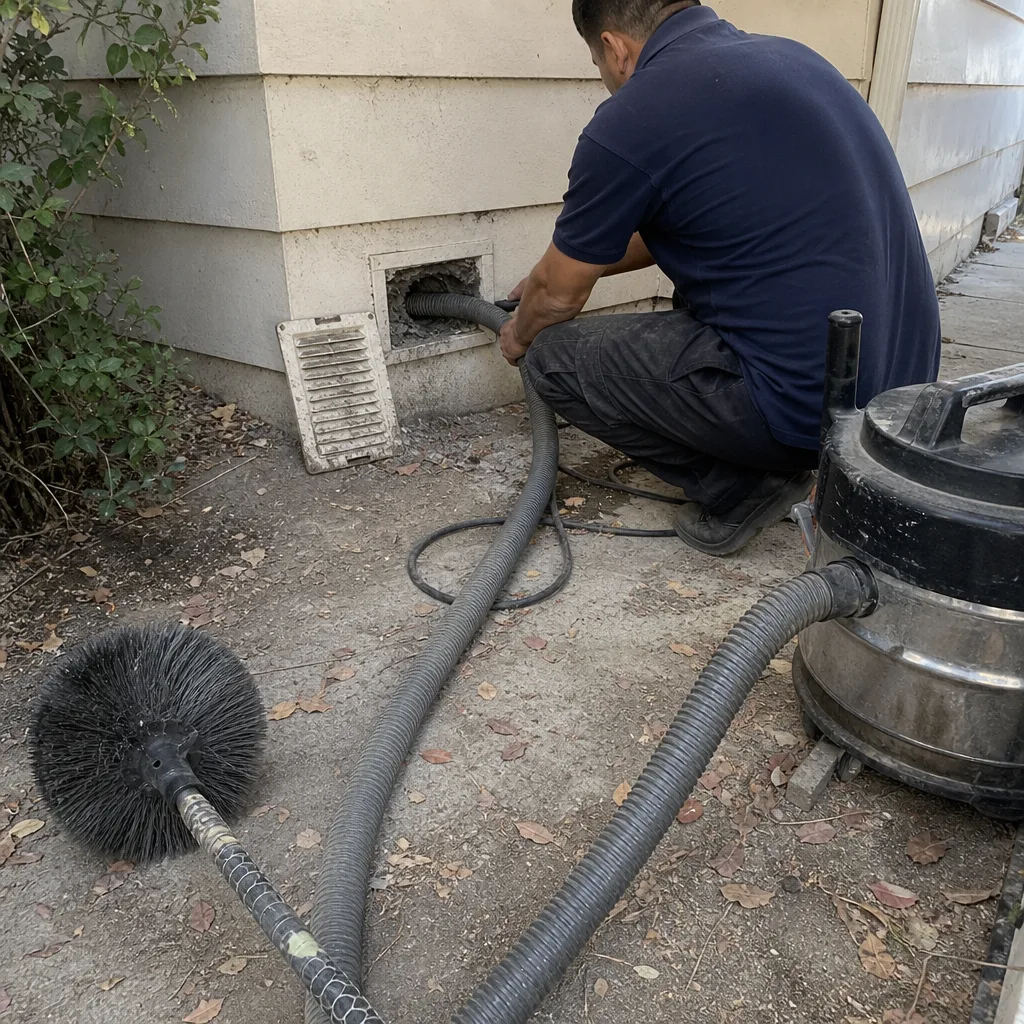
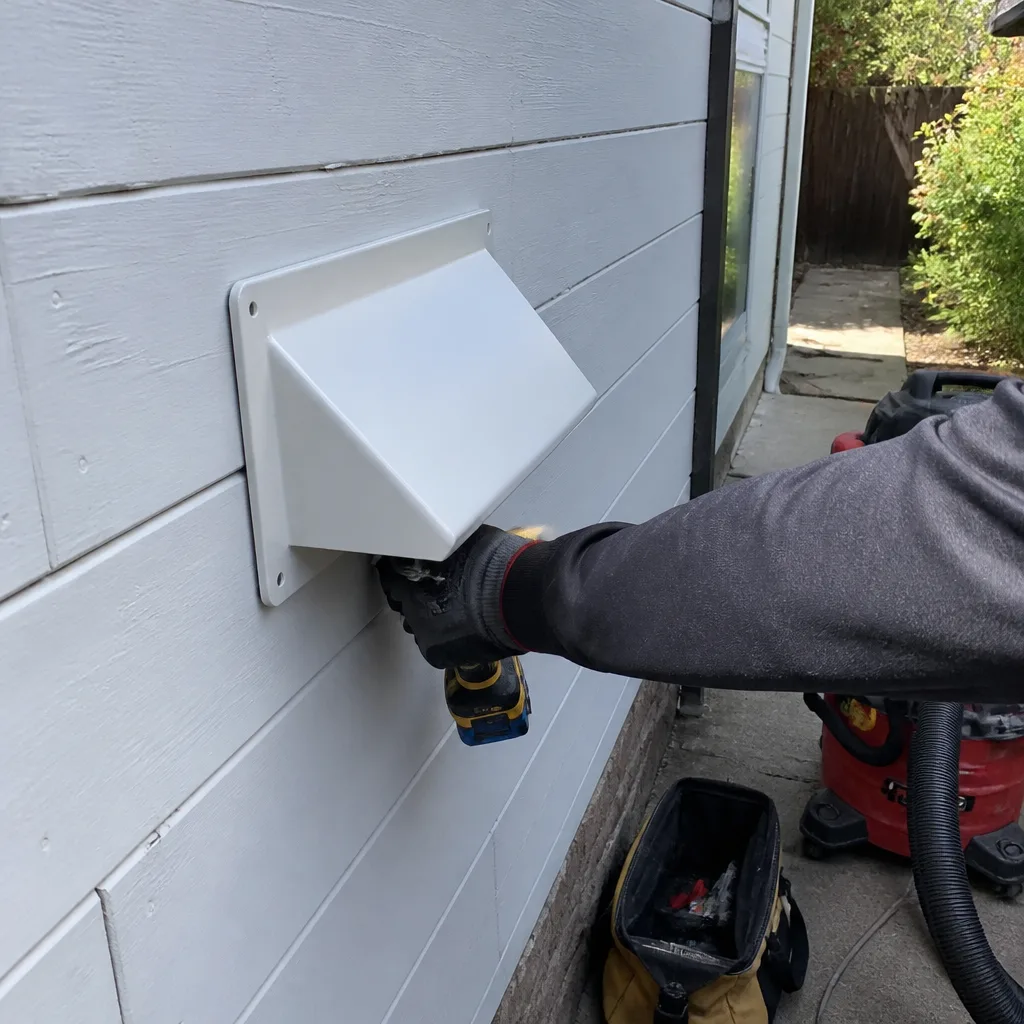
Whole-system duct and dryer vent check with before-and-after photos - you see exactly what came out of your vents
That "$99 whole-house special" is a bait ad - the real number appears once they are in your hallway, or the "clean" is a shop-vac at the register. We photograph the inside of your ducts before and after instead.
Air Duct Cleaning Permits, Codes & Inspections in CA: What You Need to Know
Here’s something that surprises most Alameda homeowners: the cleaning itself is permit-free, but what your cleaner finds inside the system often isn’t. Ducts that are disconnected, leaking, or improperly patched cross from maintenance into regulated repair territory the moment anyone touches them. If you’re planning to sell a home in Alameda, unpermitted duct work can surface on an inspection report and stall the sale faster than almost any other disclosure issue. This guide covers when California requires a permit, which codes govern the work, and how to avoid the trap most homeowners never see coming. For related reading, see our Air Duct Cleaning Warning Signs: An Alameda Homeowner’s Reference Guide.
Styles & brands we work with
- Whole-home duct cleaning
- Dryer vent cleaning
- Camera inspection
- Sanitizing & deodorizing
Quick Answer
Air duct cleaning does not require a permit anywhere in California, including Alameda. However, once cleaning reveals the need for repairs, modifications, or replacement of duct work, a mechanical permit from the local building department is usually required under the California Mechanical Code. Work done without one can create liability at resale, because home inspectors flag unpermitted HVAC modifications in Alameda regularly.
Table of Contents
- When Does Duct Work Require a Permit in California?
- The California Mechanical Code Sections That Apply to Ducts
- Alameda Building Department Requirements Homeowners Should Know
- How Title 24 Energy Code Affects Duct Sealing and Testing
- What an Unpermitted Duct Repair Looks Like on a Home Inspection Report
- Duct Cleaning Technician vs. Licensed C-20 HVAC Contractor: Who Can Do What
- What a Duct Inspection Actually Checks in Alameda Homes
- Common Mistakes to Avoid
- When to Call a Professional
- Frequently Asked Questions
- The Bottom Line
When Does Duct Work Require a Permit in California?
Under the California Mechanical Code (CMC), which is adopted with local amendments by cities like Alameda, a mechanical permit is required for the installation, alteration, or repair of any heating, ventilating, or air conditioning system. Cleaning is not installation, alteration, or repair. That’s the line that keeps Air Duct Cleaning in Alameda squarely outside permit territory.
The line moves when work goes beyond removing debris. Here’s what crosses it:
- Replacing a section of duct: If a run of flex duct is torn, collapsed, or saturated with moisture, and a section is cut out and replaced, that’s a repair requiring a permit.
- Modifying the system layout: Rerouting a supply run, adding a new register, or changing the size of a branch line alters the system design. Permit required.
- Sealing with mastic or tape at connection points beyond routine maintenance: A technician can clean a connection. But if the connection is disassembled and resealed, that’s a repair action.
- Installing new insulation on duct work: Reinsulating runs in unconditioned spaces like attics or crawl spaces is regulated under energy code provisions.
- Replacing a plenum or transition fitting: These are structural components of the system. Altering them changes air distribution characteristics.
In our experience, the most common trigger in Alameda is not a dramatic replacement. It’s the small repair. A homeowner schedules a cleaning, we find a section of flex duct that’s torn or crushed under attic insulation, and the question becomes: does the homeowner authorize a repair right then, or does it need to go through the city? The honest answer is that any replacement of duct material requires a permit. We’ve seen plenty of Alameda homes where someone patched a duct with tape years ago, and that patch is now disintegrating and leaking conditioned air into the attic. Fixing it properly means permit territory.
The California Mechanical Code Sections That Apply to Ducts
The Everclear Air Duct Cleaning home team works with these code sections regularly when planning repairs around Alameda. The CMC is updated every three years, and California adopts it statewide with amendments. Here are the key sections that affect duct work:
CMC Section 601: Air Movement and Exhaust Systems
This section governs how ducts are constructed and connected. Key requirements include that ducts must be made of approved materials, connections must be mechanically fastened, and seams must be sealed. When a cleaning reveals gaps at connections that were never properly sealed, the repair that closes those gaps falls under this section.
CMC Section 602: Plenums and Duct Construction
Plenum materials are strictly regulated because air passes through them before entering living spaces. The CMC prohibits using building cavities as plenums in most residential applications. In Alameda homes built before 1980, we commonly find return air being pulled through wall cavities or panned floor joists. While cleaning can improve airflow through these systems, correcting this configuration is a modification requiring a permit and often a C-20 contractor’s involvement.
CMC Section 603: Duct Insulation
Ducts running through unconditioned spaces, which in Alameda means attics and crawl spaces, must be insulated to specific R-values. The current standard for residential supply ducts in unconditioned space is R-8, and for return ducts R-6. When cleaning exposes insulation that’s compressed, water damaged, or missing entirely, reinsulating is a repair action, and the materials used must meet code minimums.
CMC Section 604: Installation of Duct Systems
This section covers how ducts are installed and supported. Requirements include minimum clearance from combustible materials, proper support spacing, and protection from physical damage. In Alameda’s older housing stock, especially the Victorians and 1920s bungalows, we find duct work resting directly on attic floor joists in ways that don’t meet current support requirements. Retrofitting proper supports crosses into permit territory.
Alameda Building Department Requirements Homeowners Should Know
Alameda has its own building department that enforces the California codes locally. The city is known for being thorough on mechanical work, partly because the island’s housing stock is older and partly because the city has prioritized energy efficiency in its municipal code updates.
When Alameda Requires a Mechanical Permit
The city’s standard is consistent with the CMC: any alteration, repair, or replacement of mechanical equipment requires a permit. The practical threshold in Alameda for duct work is this: if you’re cutting out old material and putting in new material, you need a permit. Here’s what to expect if you go that route:
- Submit a permit application to the Alameda Building Department, typically describing the scope of duct work being done.
- Pay the permit fee, which is based on the valuation of the work. A typical residential duct repair permit in Alameda runs from a few hundred dollars up, depending on scope.
- Schedule an inspection after the work is complete. The inspector will check connections, sealing, insulation, and support.
- Receive sign-off, which becomes part of the property’s permit record. This is what future buyers and their inspectors look for.
What Alameda Inspectors Look For
In our experience with Air Duct Cleaning services and repairs in Alameda, city inspectors focus on three things: sealed connections, correct insulation R-value in unconditioned spaces, and proper support. If a duct run sags between supports, it fails. If mastic is sloppily applied or gaps remain at collars, it fails. If insulation doesn’t match the specified R-value, it fails. The inspections are not adversarial, but they are exacting, which is why most homeowners prefer to have repair work handled by someone who knows what the inspector expects.
How Title 24 Energy Code Affects Duct Sealing and Testing
California’s Title 24 energy code applies to new construction and major alterations, and it has a direct impact on duct work. The code requires that ducts in new or substantially remodeled homes be sealed to specific leakage standards and that leakage be verified through testing. Here’s what that means in practice for Alameda homeowners:
Duct Leakage Testing
When a home undergoes a permitted HVAC modification that triggers Title 24 compliance, a duct leakage test may be required. A technician seals all registers, pressurizes the system with a calibrated fan, and measures how much air escapes. The pass threshold in most California climate zones is 6% leakage or less of total system airflow. Alameda falls in Climate Zone 3, where the standard is enforced on alterations that meet the threshold for compliance.
What surprises homeowners is this: a leaking duct system isn’t just an energy problem. Every cubic foot of air that leaks into the attic is air you paid to heat or cool. In Alameda’s marine climate, where humidity is a constant factor, leaky return ducts can pull unconditioned, moisture-laden attic air into the living space. This contributes to musty smells and can affect indoor air quality in ways that have nothing to do with how recently the ducts were cleaned.
When Cleaning Intersects With Title 24
Cleaning alone doesn’t trigger Title 24 requirements. But if a cleaning reveals significant leakage, and a homeowner chooses to have the leaks sealed as part of an Air Duct Repair in Alameda project, the sealing work may fall under energy code jurisdiction depending on the extent of the repair. Partial sealing of a few connections is generally treated as maintenance. Resealing an entire duct system is an alteration. Knowing where that line falls is why it matters to work with a company that understands the distinction.
What an Unpermitted Duct Repair Looks Like on a Home Inspection Report
Here’s the scenario that plays out in Alameda more often than homeowners expect. A property goes under contract. The buyer’s inspector, who is typically thorough in the Bay Area market, climbs into the attic and finds evidence that duct work has been modified. Maybe there’s a section of flex duct that’s newer than the rest of the system. Maybe there’s mastic on connections that looks fresh. Maybe the inspector notices a register in a room that doesn’t appear on any permit record.
The inspector notes it: “Evidence of duct modification. No permit on file with City of Alameda. Recommend further evaluation.”
That single line creates a cascade. The buyer asks the seller to produce permits. The seller can’t. The buyer asks for a retroactive permit. The city wants drawings and inspection history that don’t exist. The seller either credits the buyer for the cost of permit compliance or, in a worse case, the deal unravels.
What Actually Gets Flagged
Inspectors in Alameda are trained to look for:
- Mismatched duct materials: two different types of flex duct in the same system, suggesting a section was replaced.
- Fresh mastic or tape on connections that should be surrounded by older materials.
- New registers or grilles in rooms where no permits exist for added distribution.
- Sections of hard pipe that don’t match the rest of the system’s construction era.
- Support straps or hangers that look newer than the duct work they hold.
The liability for the seller is real. California’s seller disclosure requirements ask specifically about known defects and unpermitted work. A seller who had duct repair done without a permit and doesn’t disclose it is exposed. A seller who discloses it but can’t produce the permit record is negotiating from a position of weakness. Either way, the unpermitted work becomes a lever for the buyer.
Duct Cleaning Technician vs. Licensed C-20 HVAC Contractor: Who Can Do What
This is the distinction most homeowners never learn until it matters. In California, a C-20 is the contractor license classification for warm-air heating, ventilating, and air conditioning. A duct cleaning company without a C-20 can clean ducts. It cannot legally perform repairs, replacements, or modifications to the duct system. Here’s the specific line:
What a Duct Cleaning Technician Can Do
- Remove debris, dust, and contaminants from existing duct work.
- Clean registers, grilles, and diffusers.
- Clean the supply and return plenums as part of the cleaning process.
- Inspect the system and report findings to the homeowner.
- Recommend repairs and refer to a licensed contractor if needed.
What Requires a C-20 License
- Cutting out and replacing any section of duct work.
- Rerouting duct runs or altering the system layout.
- Installing new registers, grilles, or diffusers.
- Replacing a plenum or transition fitting.
- Modifying the connection between the duct system and the HVAC unit.
- Sealing duct work with mastic or tape as a repair action, not as part of cleaning.
In Alameda, this distinction matters because the city checks license status on permit applications. A permit filed by a company without a C-20 will be rejected. A homeowner who hires an unlicensed operator to do duct repair and then tries to pull a permit will face questions about who did the work. The cleanest path: keep cleaning and repair in their separate lanes, and when repair is needed, use someone who holds the right license or works with licensed contractors to complete the job.
What a Duct Inspection Actually Checks in Alameda Homes
Whether it’s a city inspector looking at a permitted repair or a home inspector evaluating a property before sale, the checklist is remarkably consistent. In Alameda, where the housing stock ranges from 1880s Victorians to mid-century ranchers to newer townhomes, inspectors adapt their focus based on the era of the home.
Older Alameda Homes (pre-1970)
Inspectors expect to see original or early duct work, often hard pipe or early flex. The issues they’re hunting for include disintegrating insulation wrap, corrosion at joints, and unauthorized modifications made over decades of ownership. In these homes, finding a section of newer flex duct without a permit record is a red flag.
Mid-Century Alameda Homes (1970-1990)
The primary concern in this era is seal degradation and insulation compression. Duct tape from this period hardens, cracks, and falls off. Attic insulation settles onto duct runs. Inspectors check whether connections remain sealed and whether the original R-value is intact after 30 to 50 years in an Alameda attic’s temperature swings.
Newer Alameda Homes (post-1990)
In homes built after California’s energy code began tightening, inspectors check for compliance with original permits. The presence of a permit for the original HVAC installation gives them a baseline. If subsequent modifications are visible without corresponding permits, that’s noted. Inspectors also check whether original duct sealing has failed, which happens faster in Alameda’s marine climate than in drier inland areas.
Throughout all of these inspections, the consistent theme is this: cleaning is considered maintenance, repair is considered alteration, and the record of what happened when matters. A homeowner who keeps permit records accessible has an easier inspection than one who can’t reconstruct the history of the system.
Common Mistakes to Avoid
- Assuming all duct work is the same. Many Alameda homeowners treat a repair as equivalent to a cleaning because both happen in the same attic. The legal distinction is real, and the permit requirement triggers on repair, not on cleaning.
- Letting an unlicensed handyman “patch” a duct. A handyman who tapes a split in a flex duct may solve an immediate airflow problem, but the patch is an unpermitted repair. When it fails during escrow inspection, you’ll pay double: once for the patch and again for the proper fix with permits.
- Believing a home warranty covers duct repair. Most home warranty policies in California exclude duct work or cap coverage at trivial amounts. Reading the policy after a failure is the expensive way to learn this.
- Ignoring duct leakage as “normal”. A system leaking 20% or more of its airflow into an Alameda attic is not normal. It’s a code issue, an energy issue, and an indoor air quality issue. The $200 in annual energy loss compounds year after year.
- Skipping the permit to save $500. The economics look tempting until the resale issue surfaces. In Alameda’s competitive real estate market, buyers have leverage. An unpermitted duct repair gives them a discount demand.
- Confusing cleaning equipment with repair authority. A company with professional-grade cleaning equipment may or may not hold a C-20 license. Equipment quality does not confer legal authority to perform repairs. Ask directly.
When to Call a Professional
If your ducts haven’t been inspected in the last few years, or if you’re noticing reduced airflow, musty smells when the system runs, or rooms that don’t heat or cool evenly, it’s time to have a professional look inside. A proper inspection with professional-grade equipment can identify whether you’re dealing with a cleaning issue or a repair issue before it becomes a resale problem. Check out our Air Duct Cleaning Troubleshooting: Common Problems and How to Fix Them for additional guidance. Everclear Air Duct Cleaning offers free estimates in Alameda – call (833) 620-5944. We’ll help you understand what’s happening inside your system and whether further action is needed.
Frequently Asked Questions
No. Air duct cleaning is classified as maintenance, not construction, so no permit is required in Alameda or anywhere else in California. The permit question only arises when cleaning reveals the need for repairs or modifications to the duct system itself.
There is no permit cost for cleaning, because cleaning doesn’t require a permit. When repairs do require a mechanical permit in Alameda, fees are calculated based on the valuation of the work. A typical residential duct repair permit runs from a few hundred dollars up, depending on scope. For context on pricing in the area, see our guide to Air Duct Cleaning in Alameda.
Technically, a homeowner can perform work on their own residence, but the work still requires a permit. The owner-builder exemption applies to labor, not to the permit requirement. Performing duct repair without a permit creates the same disclosure and resale liability as hiring an unlicensed contractor to do it.
Duct leakage testing measures how much conditioned air escapes from a duct system using a calibrated fan and pressure gauge. It’s required under Title 24 for new construction and major alterations that trigger energy code compliance. Cleaning doesn’t trigger it, but major duct sealing or replacement work might. In Alameda, the threshold is generally 6% leakage or less for systems being tested.
Generally not directly, but if unpermitted duct work contributes to a covered loss, such as a fire or water damage event, an insurer may investigate whether the work was done properly. Unpermitted work that fails inspection standards can complicate a claim. The larger risk is at resale, not at renewal.
Contact the Alameda Building Department and request the permit history for your address. This is public record and takes a phone call or an online request. If the permit history shows only the original HVAC installation and nothing else, but your system shows evidence of modification, you have unpermitted work. We’ve helped Alameda homeowners sort through this exact situation; a Dryer Vent Cleaning in Alameda visit often turns up adjacent issues worth documenting.
The Bottom Line
Air duct cleaning sits safely outside California’s permit requirements. The risk is never the cleaning itself; it’s what the cleaning uncovers. In Alameda, where older housing stock and a competitive real estate market combine, unpermitted duct repair is a slow-fuse problem that detonates at resale. Understand the line between maintenance and repair. Know that the California Mechanical Code, Title 24, and local Alameda requirements all apply once you cross it. And if you’re unsure what’s inside your ducts, have them looked at before a buyer’s inspector does it for you. Browse our more guides & resources to stay informed. A professional inspection costs a few hundred dollars. The disclosure problem it prevents costs thousands.
Written by the team at Everclear Air Duct Cleaning, serving Alameda since 2017.
See the difference
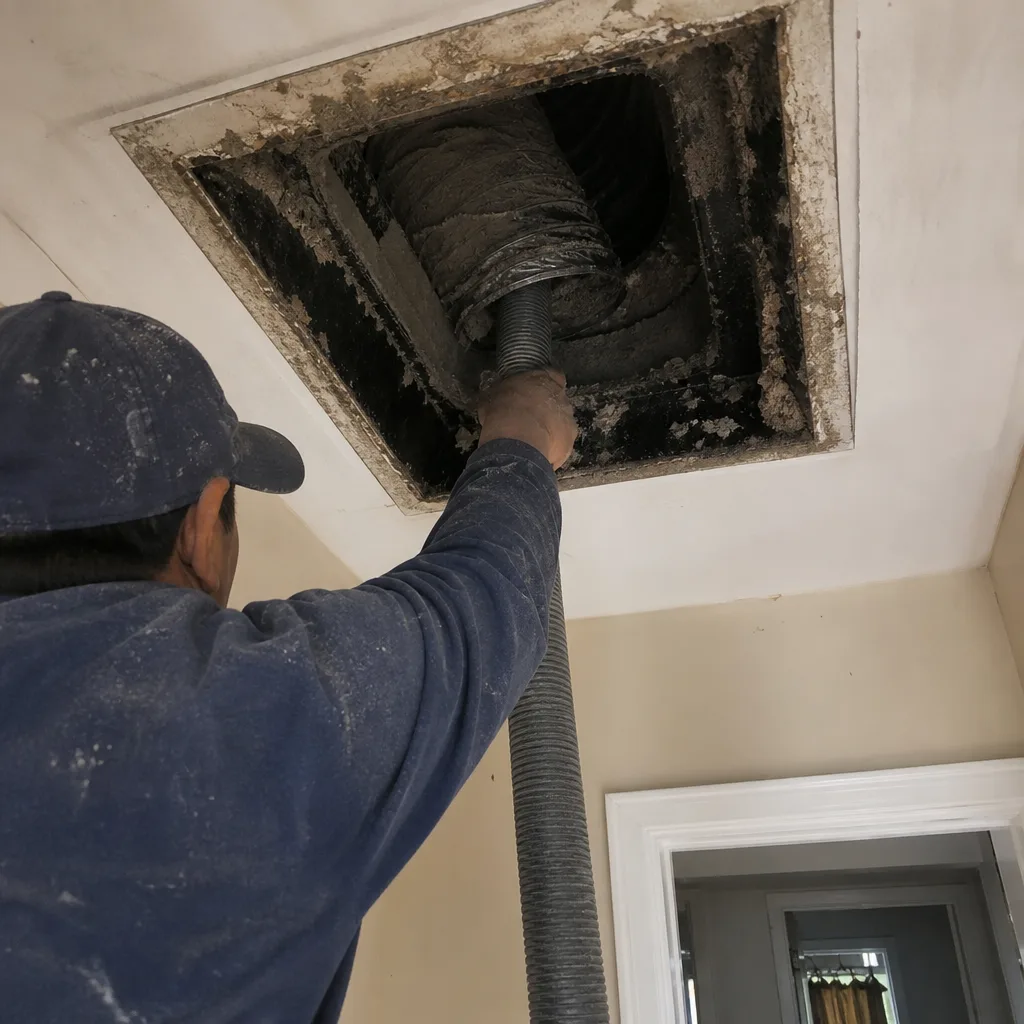 Before
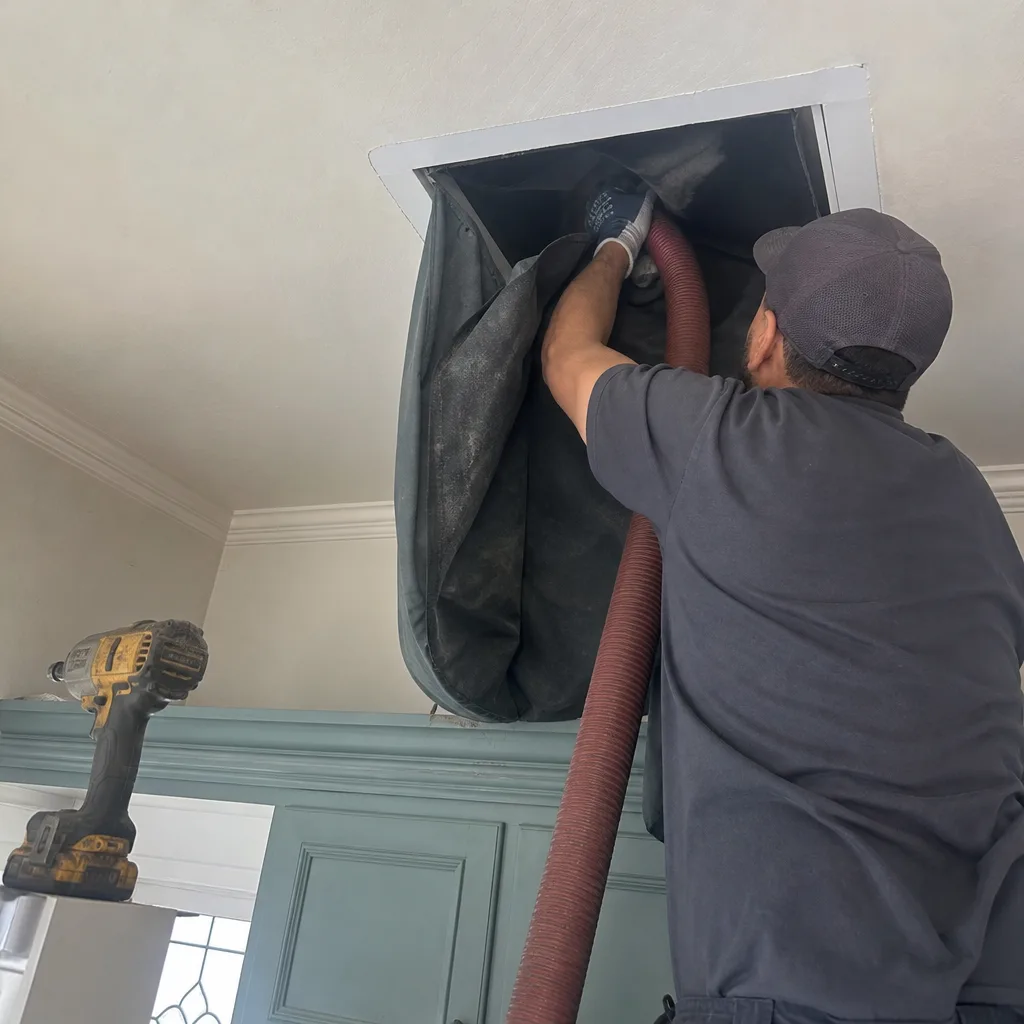 After
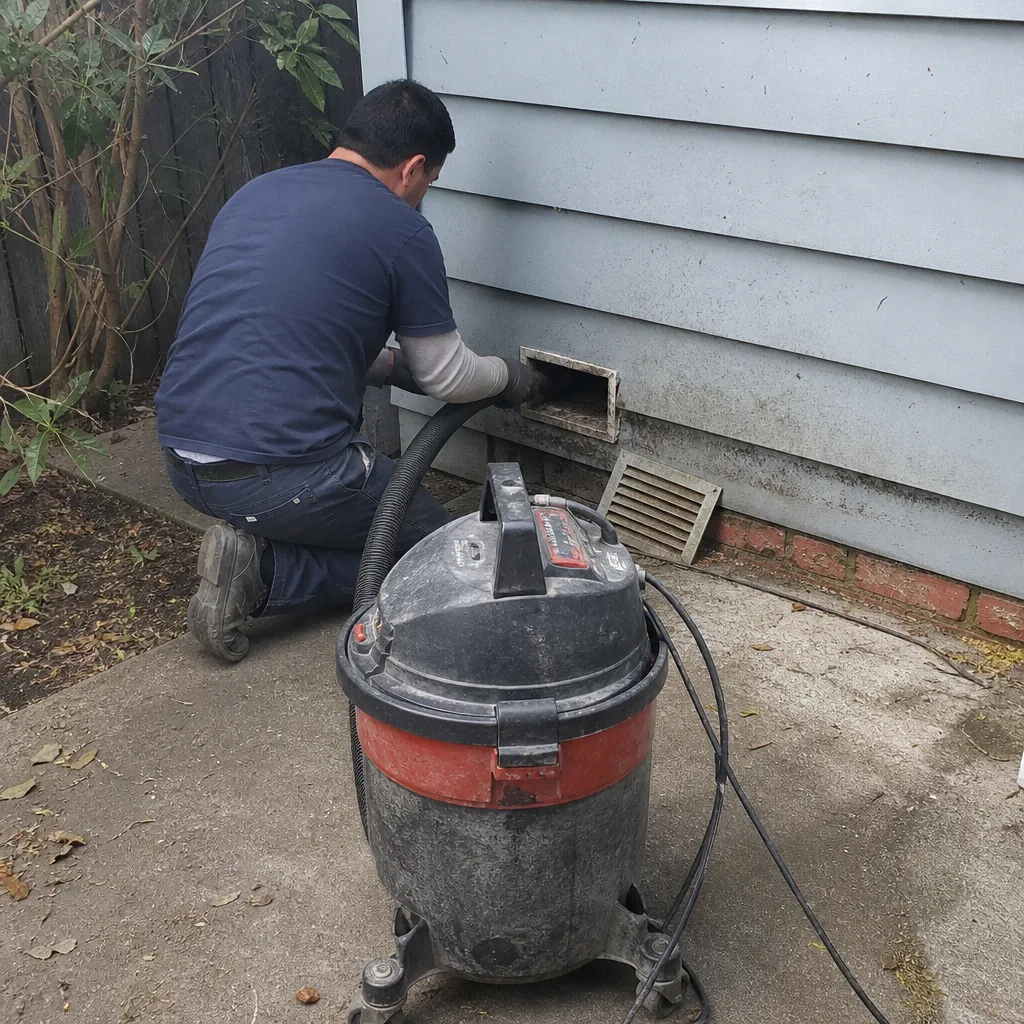 Before
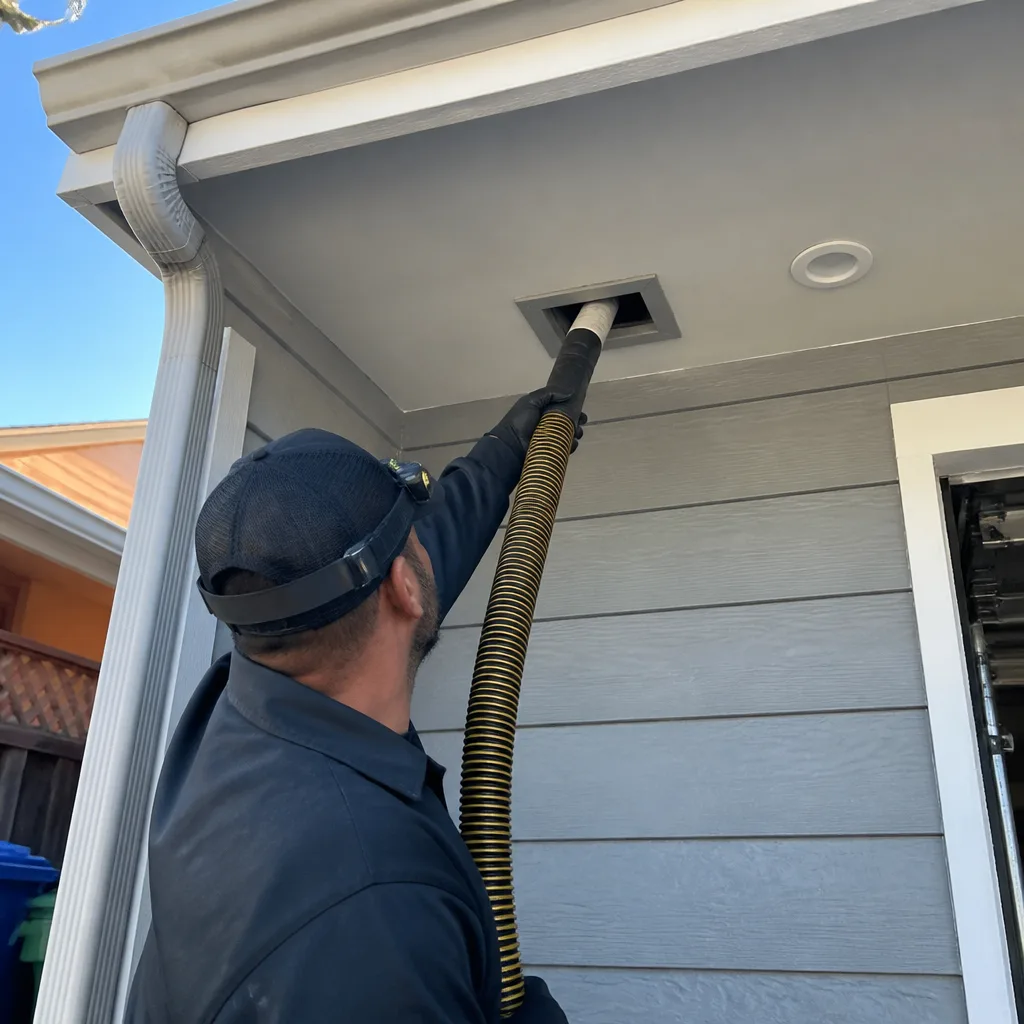 After
 Before
 After