
Last updated November 2, 2026
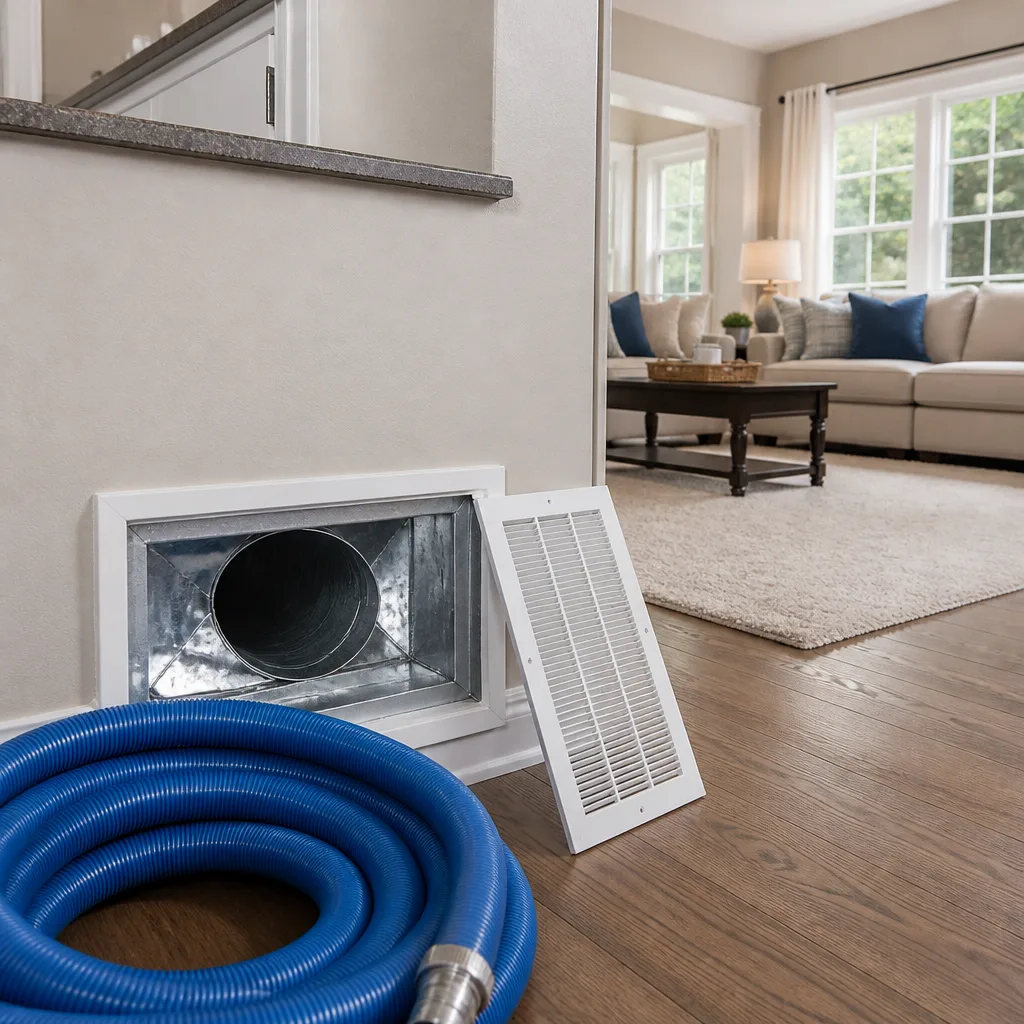 Whole-home duct cleaning
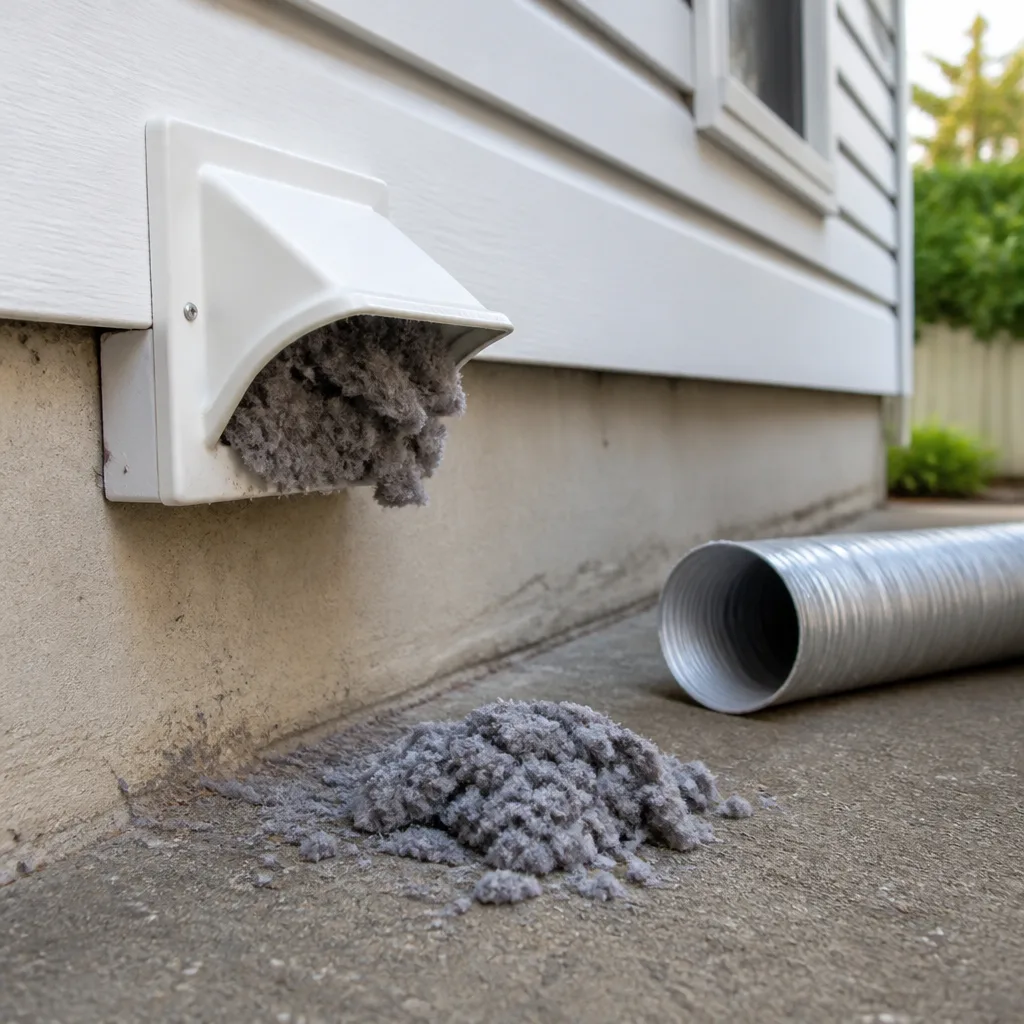 Dryer vent cleaning
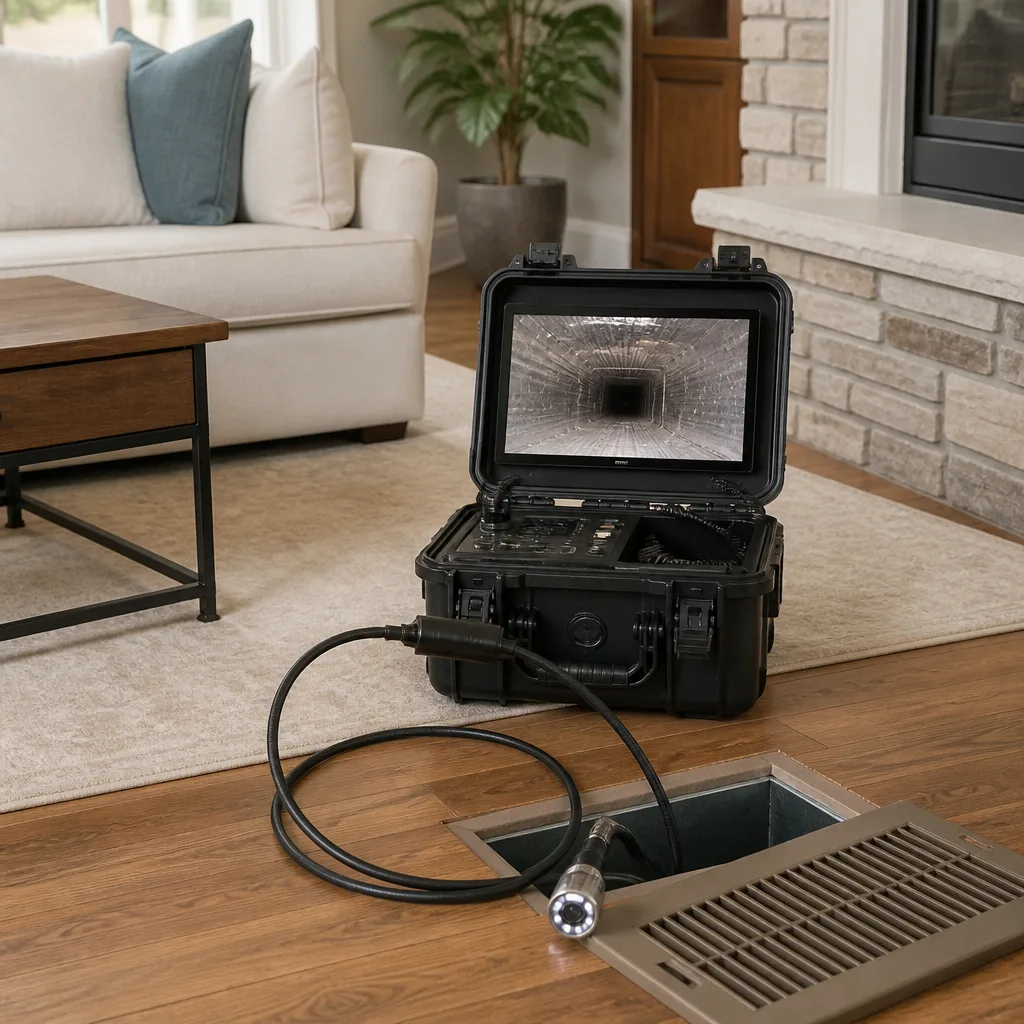 Camera inspection
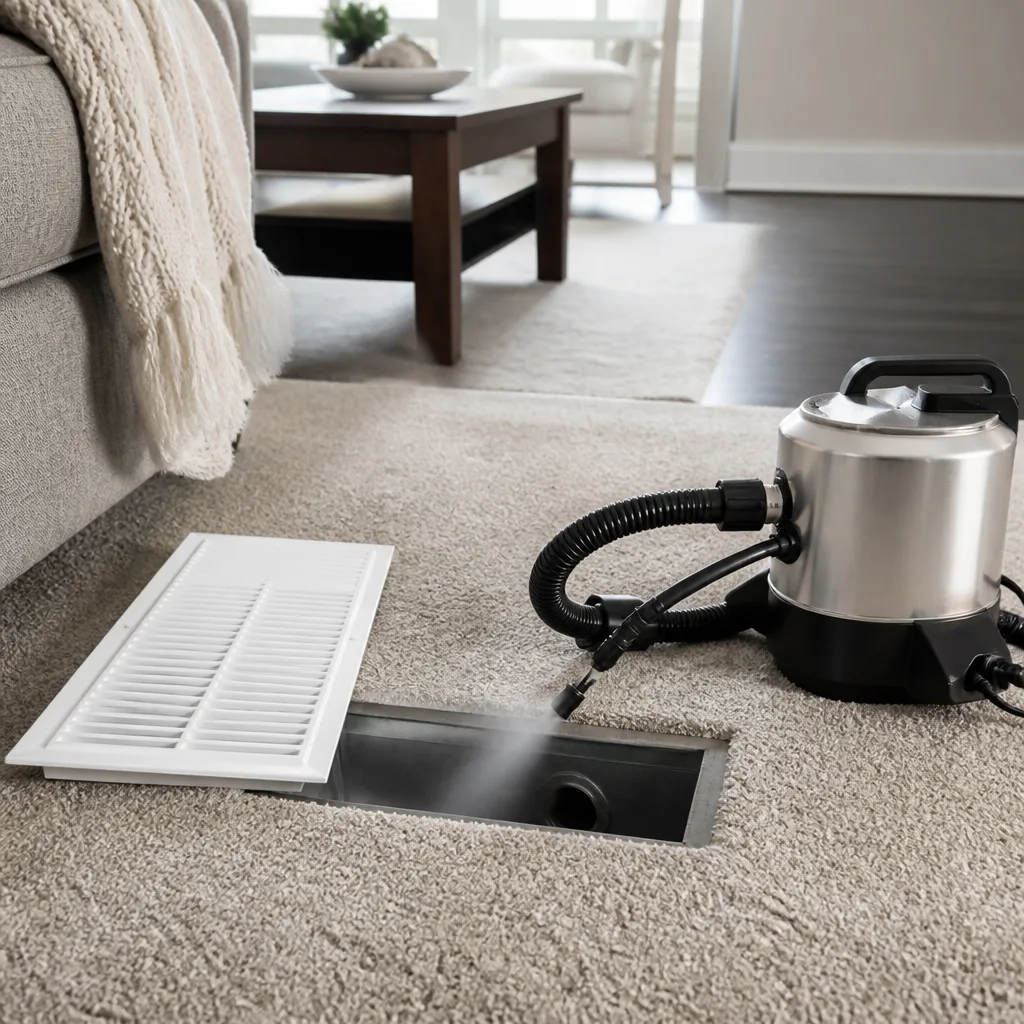 Sanitizing & deodorizing
Whole-system duct and dryer vent check with before-and-after photos - you see exactly what came out of your vents
That "$99 whole-house special" is a bait ad - the real number appears once they are in your hallway, or the "clean" is a shop-vac at the register. We photograph the inside of your ducts before and after instead.
Air Duct Cleaning Troubleshooting: Common Problems and How to Fix Them
Here’s something most homeowners in Alameda don’t realize until it’s too late: a significant portion of what gets labeled a “duct cleaning problem” has nothing to do with cleaning at all. The ducts are leaking. Or the return is undersized. Or there’s a dead rodent in a branch line. We’ve walked into homes where customers had paid for two cleanings in eighteen months, and the real issue was a disconnected flex duct in the crawl space. Our Air Duct Cleaning Warning Signs: An Alameda Homeowner’s Reference Guide will teach you how to diagnose what’s actually wrong with your system before you spend another dollar on the wrong fix. If your home still smells musty two weeks after a duct cleaning, the company cleaned the symptom and left the source. Here’s how to find out which one you’re dealing with.
Styles & brands we work with
- Whole-home duct cleaning
- Dryer vent cleaning
- Camera inspection
- Sanitizing & deodorizing
Quick Answer
Most duct problems fall into one of three categories: contamination (dust, debris, mold, or pests inside the ducts), leakage (conditioned air escaping through gaps, holes, or disconnected sections), or airflow imbalance (pressure problems caused by dampers, undersized returns, or collapsed flex duct). Cleaning only fixes the first category. If your problem is leakage or airflow, cleaning will waste your money and the symptom will return within weeks. Before scheduling any Air Duct Cleaning service, confirm which category you’re in using the tests below.
Table of Contents
- Contamination vs. Leakage: The Tissue Test That Tells You Which Problem You Have
- Persistent Odors After Cleaning: The Three Sources Everyone Misses
- Airflow Imbalance: Dirty Ducts or Something Worse?
- How to Read Your HVAC Air Filter Like a Diagnostic Tool
- When Cleaning Isn’t Enough: Signs You Need Duct Repair or Replacement
- Visible Mold in Ducts: What It Means and What It Doesn’t
- Noisy Ductwork: Popping, Banging, and Whistling Explained
- Common Mistakes to Avoid
- When to Call a Professional
- Frequently Asked Questions
- The Bottom Line
Contamination vs. Leakage: The Tissue Test That Tells You Which Problem You Have
Before you call anyone about your ducts, you need to know whether the problem is contamination (stuff inside the ducts that shouldn’t be there) or leakage (conditioned air escaping the ducts before it reaches your rooms). This distinction matters because the fixes are completely different. Cleaning removes contamination. Sealing or repair fixes leakage. And cleaning a leaking system does almost nothing for your air quality or your energy bill.
Here’s the test. You’ll need a single-ply tissue, the kind you’d find in a gift bag. Turn your HVAC fan to the “on” position at the thermostat so the blower runs continuously. Now walk to each supply register in your home and hold the tissue about three inches away. The tissue should flutter gently outward, pushed by the air leaving the vent. That’s normal. What you’re looking for is what happens when the system is running but you’re holding the tissue near a return grille, the one that pulls air back into the system. If the return is pulling hard enough to suck the tissue against the grille and hold it there, you likely have a significant return-side leak or an undersized return. The system is starved for air and pulling from wherever it can get it, including through gaps in the return ducting.
In Alameda, we see this constantly in homes built between 1920 and 1970. The original ductwork was often installed with no sealing at all, just sheet metal slipped together and left. Over decades, those joints separate. The system starts pulling attic air or crawl space air into the return side. That’s why your house smells like the crawl space every time the heat kicks on. No amount of cleaning fixes that. The fix is air duct repair – sealing the return lines, often replacing sections that have separated entirely.
Here’s the distinction in one paragraph: if the smell comes from the supply vents when the system runs, it’s usually contamination inside the supply ducts or at the coil. If the smell appears when the system runs but seems to come from everywhere at once, or you smell it near the return grilles, you’re likely dealing with a return-side leak pulling in outside or crawl space air. Different problem, different solution.
Persistent Odors After Cleaning: The Three Sources Everyone Misses
A customer in Alameda called us after paying another company to clean their ducts twice in one year. The musty smell never went away. The problem turned out to be a condensate drain pan under the evaporator coil that had been holding standing water for months. The ducts were spotless. The smell was coming from the coil cabinet, not the ductwork.
Persistent odors after cleaning usually mean one thing: the source was never inside the ducts to begin with. Here are the three most common overlooked sources we find in Alameda homes:
- The condensate drain pan. Sitting under the indoor evaporator coil, this pan collects condensation that should drain away. When the drain line clogs, the pan holds water. That water grows bacteria and mold. Every time the blower runs, that smell is pushed through your entire duct system. Cleaning the ducts won’t touch it. The pan needs to be drained, cleaned, and the clog cleared.
- An insulation breach. In many Alameda attics, fiberglass batt insulation sits directly against the exterior of the ducts. If the duct has any gap, or the insulation has been disturbed and is touching a warm duct surface, it can absorb condensation. Wet fiberglass smells exactly like the musty odor people associate with “dirty ducts.” The fix is repairing the duct and replacing the affected insulation.
- A rodent entry point. Rats and mice get into duct systems through gaps at the plenum or through disconnected sections. They nest, they leave droppings, and sometimes they die inside the ductwork. If the smell is localized to one room or one register, and it has a sharp, acrid quality rather than a general mustiness, you may be smelling a rodent issue. Cleaning removes the debris, but the entry point has to be sealed or the problem returns within months.
None of these three problems is solved by running a brush through your ducts. That’s the uncomfortable truth. A thorough air duct cleaning in Alameda is valuable when contamination is the issue. But if the odor source is upstream of the ducts, cleaning just rearranges the symptom.
Airflow Imbalance: Dirty Ducts or Something Worse?
Uneven heating and cooling is one of the most common complaints we hear from Alameda homeowners. One bedroom is freezing in the summer while the living room stays comfortable. The natural assumption is that the ducts are clogged with dust and debris. Sometimes that’s true. Often it’s not.
Here’s how to think about airflow problems. Clean ducts with restricted airflow are rare. Ducts don’t clog like arteries. Yes, decades of dust accumulation will reduce airflow somewhat, but the reduction is usually modest. If one room is dramatically hotter or colder than the rest of the house, the cause is more likely one of these:
- A closed or stuck damper. Many duct systems have manual dampers in the branch lines, usually near the main trunk. If a previous owner closed a damper to balance airflow and it stuck, that branch gets almost no air. The fix is simple but requires access to the ductwork, usually in the crawl space or attic.
- A collapsed flex duct. Flexible ductwork, common in Alameda homes built or retrofitted since the 1980s, can kink or collapse. A tight bend in a flex line can reduce airflow by more than half. Sometimes the duct has been crushed by something stored in the attic. You can’t see this from inside the house. It requires getting into the attic with a flashlight.
- An undersized return. If the system was installed or modified without adequate return capacity, the rooms farthest from the blower will always struggle. This is a design problem, not a cleaning problem. The fix is adding return capacity, which may mean a new return duct or a larger return grille.
- Disconnected duct sections. In crawl spaces and attics, sections of duct can separate entirely. Air that should reach a bedroom is instead being dumped into the crawl space. The room gets almost nothing. Your energy bill goes up. And the system runs longer trying to satisfy the thermostat. This requires repair, not cleaning.
If you suspect an airflow problem, start by walking the house with a simple notebook. Feel each register with the system running. Note which rooms blow strongly and which blow weakly. Then check the returns. A return that barely pulls air suggests a restriction on that side. This mapping takes twenty minutes and gives you real information to discuss with a technician.
How to Read Your HVAC Air Filter Like a Diagnostic Tool
Your air filter is a free diagnostic readout. Most people change it and toss it. We tell our customers in Alameda to look at the filter before they remove it. Here’s what you can learn.
A filter that’s uniformly gray with fine dust after thirty days is normal. That’s household dust, skin cells, fabric fibers. Nothing alarming. But a filter that shows specific patterns is telling you something:
- Large debris, leaves, or visible chunks. This means the return duct has a gap somewhere. The system is pulling unfiltered air from the attic, crawl space, or an unfinished area. Leaves don’t appear inside sealed ductwork. If you see them on the filter, the return side is open to the outside. That gap needs to be found and sealed.
- Oily or sooty residue. If the filter has a greasy film, especially near the kitchen, cooking aerosol is being pulled through the return and deposited in the system. This eventually coats the blower and the coil and reduces efficiency. It also means the kitchen exhaust isn’t doing its job, or the return is too close to the cooking area.
- Mold spotting or musty odor on the filter itself. This points to moisture in the system. The filter sits on the return side, so if it’s growing mold, moisture is present in the air handler or the return plenum. The source is usually a clogged drain pan or excessive humidity in the crawl space.
- Pet hair caked in a ring pattern. This is just what a filter looks like in a home with pets. Not a problem in itself. But it means the filter is doing its job, and you should be changing it more frequently. A clogged filter strains the blower and reduces airflow across the coil.
When we bring Rotobrush and Nikro equipment into an Alameda home, the first thing we do is look at the current filter and the register interiors. Before any cleaning happens, these surfaces tell us a story about what’s traveling through the system. The filter is the most honest diagnostic tool in the house.
When Cleaning Isn’t Enough: Signs You Need Duct Repair or Replacement
Cleaning is the right tool for contamination. But there are conditions where cleaning is a waste of money, because the problem is structural. Here are the signs that tell you the system needs air duct repair in Alameda instead:
- You can feel air blowing in the crawl space or attic when the system is running. That’s not a cleaning problem. That’s a disconnected or punctured duct. The air you paid to condition is escaping into unconditioned space.
- The ducts are visibly crushed, kinked, or sagging. Flex duct that sags between supports creates air pockets and pressure drops. Crushed duct doesn’t carry air at all. Cleaning won’t un-crush it.
- There’s condensation on the outside of the ducts. In Alameda’s damp climate, especially during summer months, warm humid air can condense on cold duct surfaces if the insulation is missing or compromised. This leads to water damage, rust, and eventually mold. The insulation needs to be replaced, not the ducts cleaned.
- Duct tape is visible at the joints. Standard gray duct tape fails after a few years. It dries out, loses adhesion, and falls off. If you see it on your ducts, the joints were never properly sealed with mastic or foil tape. The system is leaking at every one of those joints.
- Rooms that used to be comfortable are now uncomfortable. A progressive decline in performance suggests something has changed structurally – a duct separated, a damper moved, a return collapsed. Cleaning won’t reverse a physical change.
In our experience, a meaningful percentage of homes in Alameda that call for “duct cleaning” actually need repair work. And a smaller percentage need full replacement. An honest contractor tells you the difference. That’s the conversation we have with customers every week.
Visible Mold in Ducts: What It Means and What It Doesn’t
Seeing dark spots inside a register or on the visible portion of ductwork is alarming. But it’s important to distinguish between mold and the normal accumulation of dust that collects around register openings. Dust around a register is usually dark and patchy but wipes away easily. Mold grows into the surface and doesn’t wipe off with a dry cloth.
Here’s what we know from inspecting systems across Alameda. Mold in ductwork requires three things: a food source (dust, insulation material), moisture, and time. The moisture almost always comes from one of these sources: a clogged condensate drain, high crawl space humidity being pulled into the return side, or condensation forming inside uninsulated ducts running through unconditioned spaces.
If you see mold on the interior of duct surfaces, the mold is the symptom. The moisture source is the problem. Cleaning the mold without addressing the moisture means it will return. We use Guardsman protective products during some repair jobs, applied after the underlying issue is corrected, to help prevent regrowth on treated surfaces. But no product substitute for eliminating the moisture source.
For Alameda homeowners, the most common moisture culprit we find is a crawl space with exposed earth and no vapor barrier. The return ducts run through that space, pull in that damp air through leaks at the joints, and the interior of the duct stays humid enough for mold growth. The fix involves sealing the ducts, and often addressing the crawl space itself. It’s more involved than a basic cleaning, and it’s the only way to keep the mold from coming back.
Noisy Ductwork: Popping, Banging, and Whistling Explained
Duct systems make noise for predictable reasons. Each sound tells you something different.
Popping or banging when the system starts or stops is almost always thermal expansion. Sheet metal ducts expand when warm air flows through them and contract when the system shuts off. The popping is the metal flexing against framing or fasteners. It’s annoying, but it’s rarely a sign of failure. The fix is often simple: reinforcing a specific duct section, adjusting a hanger, or adding a slip joint. Some Alameda homes with older metal trunks need more involved work, but most cases are straightforward.
Whistling or hissing near registers means air is being forced through an opening that’s too small. This happens when registers are partially closed, when a filter is too restrictive, or when the return is undersized and the system is pulling hard. If you hear whistling at a supply register, check whether the register’s damper blades are shut. If you hear it at the return, you likely have a return that’s too small for the system’s airflow requirements.
A low rumble or vibration can indicate the blower wheel is out of balance or the blower housing has come loose. It can also mean a duct section is vibrating against a structural member. A rumble that changes with blower speed is usually mechanical, not duct-related. This is worth having looked at, because an unbalanced blower will eventually wear out the motor bearings.
None of these noises is fixed by cleaning. The first two are pressure and expansion issues. The third is mechanical. When a customer in Alameda calls about a noisy system, our first question is whether the noise is constant or only when the system runs. That single answer narrows the diagnosis significantly.
Common Mistakes to Avoid
- Cleaning the ducts before fixing the leak. If your return is pulling crawl space air, cleaning the ducts is rearranging deck chairs. The leak gets fixed first, then the cleaning makes sense. Otherwise you’ll be back in a year wondering why the smell returned.
- Assuming every musty smell is dirty ducts. We covered this above, but it bears repeating. Drain pan, insulation, and rodents are the three sources most homeowners never check. All three exist in Alameda homes with surprising frequency.
- Closing registers in unused rooms to “save energy.” This increases pressure in the duct system, which forces more air out of existing leaks and can strain the blower. The system was designed to move a specific volume of air. Restricting it doesn’t save you money.
- Replacing the filter with the highest MERV you can find. A MERV 13 or higher filter is more restrictive. If your system wasn’t designed for it, you’ll reduce airflow and potentially freeze the coil. Stick with the manufacturer’s recommended MERV, usually 8 to 11 for residential systems. If you want better filtration, we can talk to you about Aprilaire media filters that are designed to work with your system’s airflow.
- Using duct tape on ductwork. Despite the name, standard duct tape is not for ducts. It degrades quickly, especially in warm attic environments. The proper materials are mastic sealant or metal-backed foil tape. If you see gray duct tape on your joints, it’s failing or already failed.
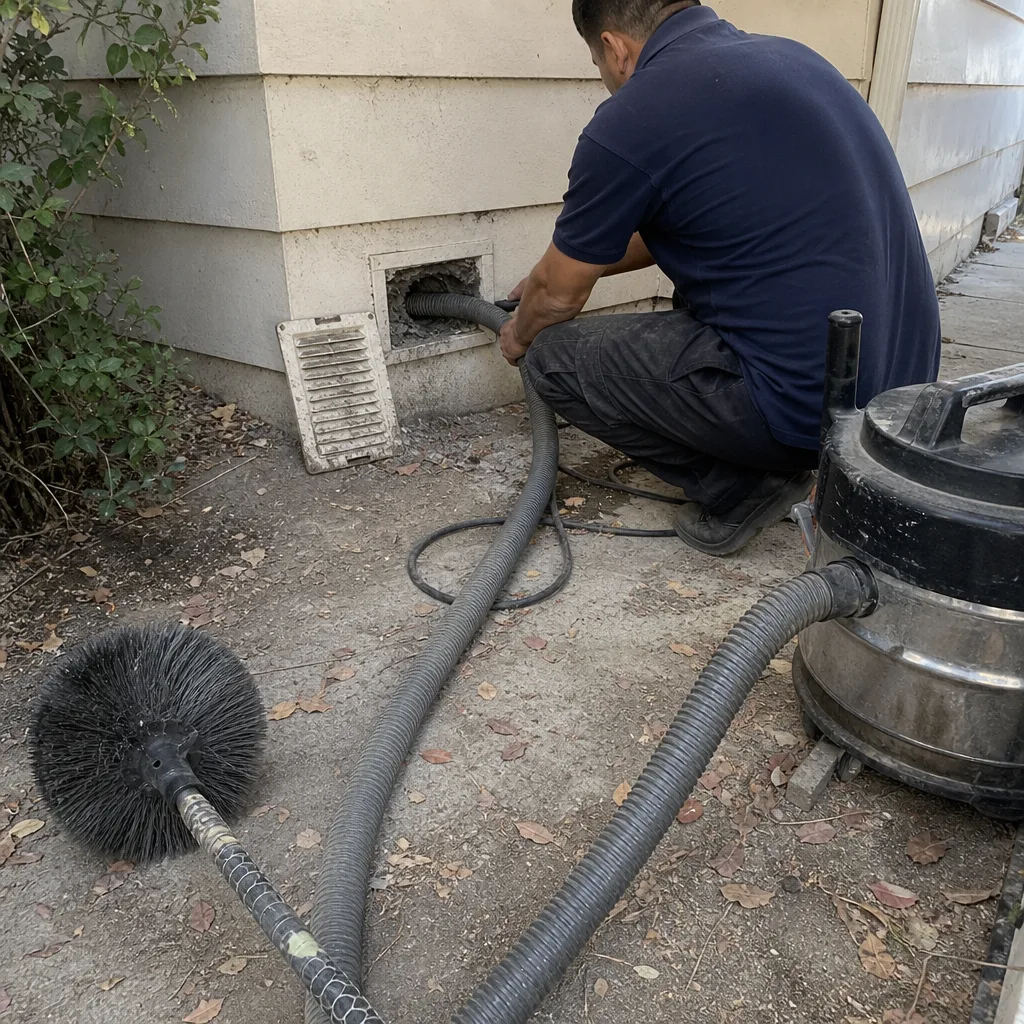
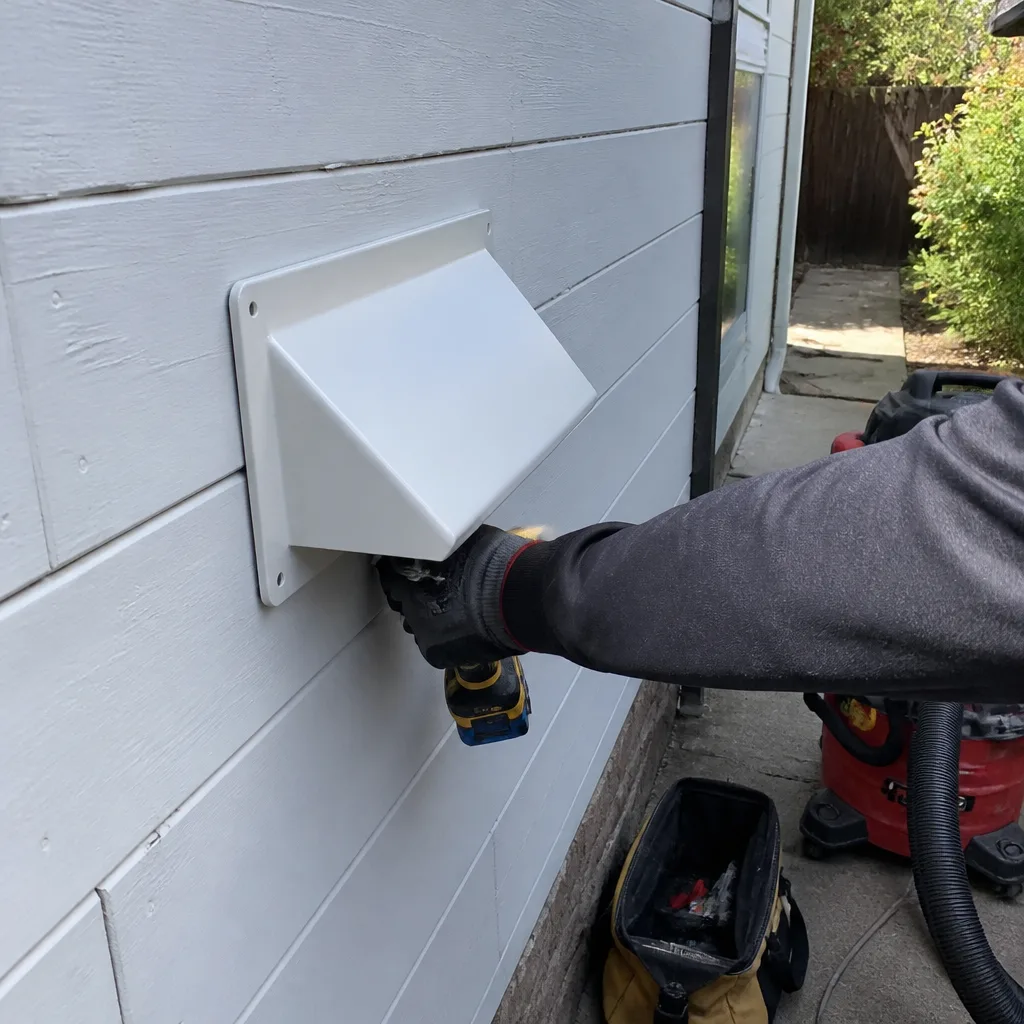
- Ignoring the dryer vent because “it’s not really part of the HVAC system.” The dryer vent is the single most dangerous exhaust line in your home. Lint accumulation is a leading cause of residential fires. And a clogged dryer vent reduces dryer efficiency, which costs you money on every load. Dryer vent cleaning in Alameda is a separate service from duct cleaning, but it deserves the same attention.
When to Call a Professional
Call a professional when the problem requires access to spaces you can’t safely reach: crawl spaces, attics, inside the air handler. Call when you’ve confirmed contamination and want it removed with equipment that actually captures the debris rather than blowing it around. Call when you see water damage near the ducts, or mold growth that extends beyond the visible register area. Call when your system has never been properly sealed and your energy bills reflect it. Call when the smell, the noise, or the imbalance has persisted through two cleanings and you’re done guessing. Everclear Air Duct Cleaning is based in Alameda and handles the full scope: air duct cleaning, repair, and dryer vent service. We use Rotobrush rotary brush systems and Nikro HEPA-rated negative air equipment, so debris is captured at the source, not redistributed through your living space. For a free estimate in Alameda, call (833) 620-5944.
Frequently Asked Questions
Look for visible dust buildup at the registers, a persistent musty smell that gets stronger when the system runs, or a filter that’s heavily loaded within a week or two of replacement. If you’ve never had the system cleaned and the house is more than fifteen years old, you should have it inspected. But first rule out the leak and moisture problems described above, because cleaning won’t solve those.
Because the source of the odor was never inside the ducts. The most common culprits are a clogged condensate drain pan, wet insulation in contact with the ducts, or a rodent entry point. All three are upstream of the ductwork itself. Have the system inspected with attention to these three locations before scheduling another cleaning.
Yes, but the mechanism is usually not what people assume. Ducts don’t generate allergens, they transport them. If your ducts are leaking and pulling attic or crawl space air into the system, allergens from those spaces are being pushed into your living areas. Cleaning the ducts helps with accumulated dust. Sealing the ducts prevents outside allergens from entering the airstream. Both matter.
For a typical single-family home in Alameda, a thorough duct cleaning takes between three and six hours. Variables include the number of registers, the accessibility of the air handler, and whether the system has been cleaned before. A thirty-minute “blow and go” job is not a real cleaning. Proper cleaning requires opening the system, agitating the interior surfaces, and pulling debris out with negative air equipment.
Whole-system duct cleaning in Alameda typically runs from $400 to $900, depending on home size and system complexity. If you’re being quoted $99 for the whole house, you’re being quoted a bait price. The real invoice will arrive after the technician is in your driveway. Honest companies quote a flat price for the system before work starts. Call (833) 620-5944 for a straight answer on your specific system.
Almost certainly yes. Construction dust from drywall, flooring, and paint gets pulled into the system and distributed throughout the house. Drywall dust is fine enough to pass through the filter and coat the blower, the coil, and the interior of the ducts. A post-remodel cleaning is one of the most justifiable cleanings there is. But make sure the contractor finished with the major dust-generating work before you schedule it.
The Bottom Line
Duct problems are rarely as simple as “clean it and move on.” In our experience across Alameda, at least a third of the systems we inspect have a structural issue that cleaning alone won’t fix. The tissue test tells you if you’re dealing with leakage. The filter tells you what’s traveling through the system. The odor source tells you whether the problem is even in the ducts. The smartest thing you can do is diagnose before you pay. And the second smartest thing is to hire a company that shows you the work with equipment that gives you verifiable results rather than a sales pitch. That’s the standard we hold ourselves to on every job.
Written by the team at Everclear Air Duct Cleaning, serving Alameda since 2017. Explore more guides & resources from our team.
See the difference
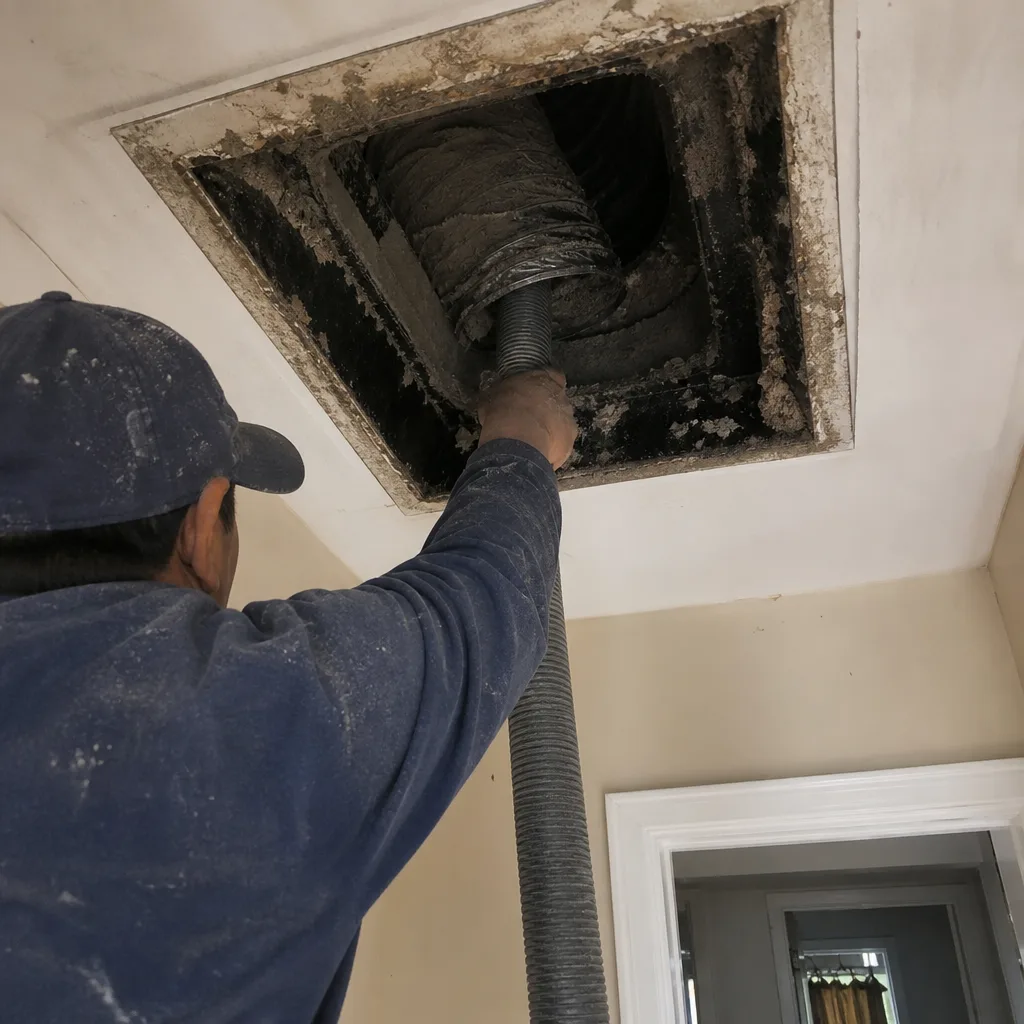 Before
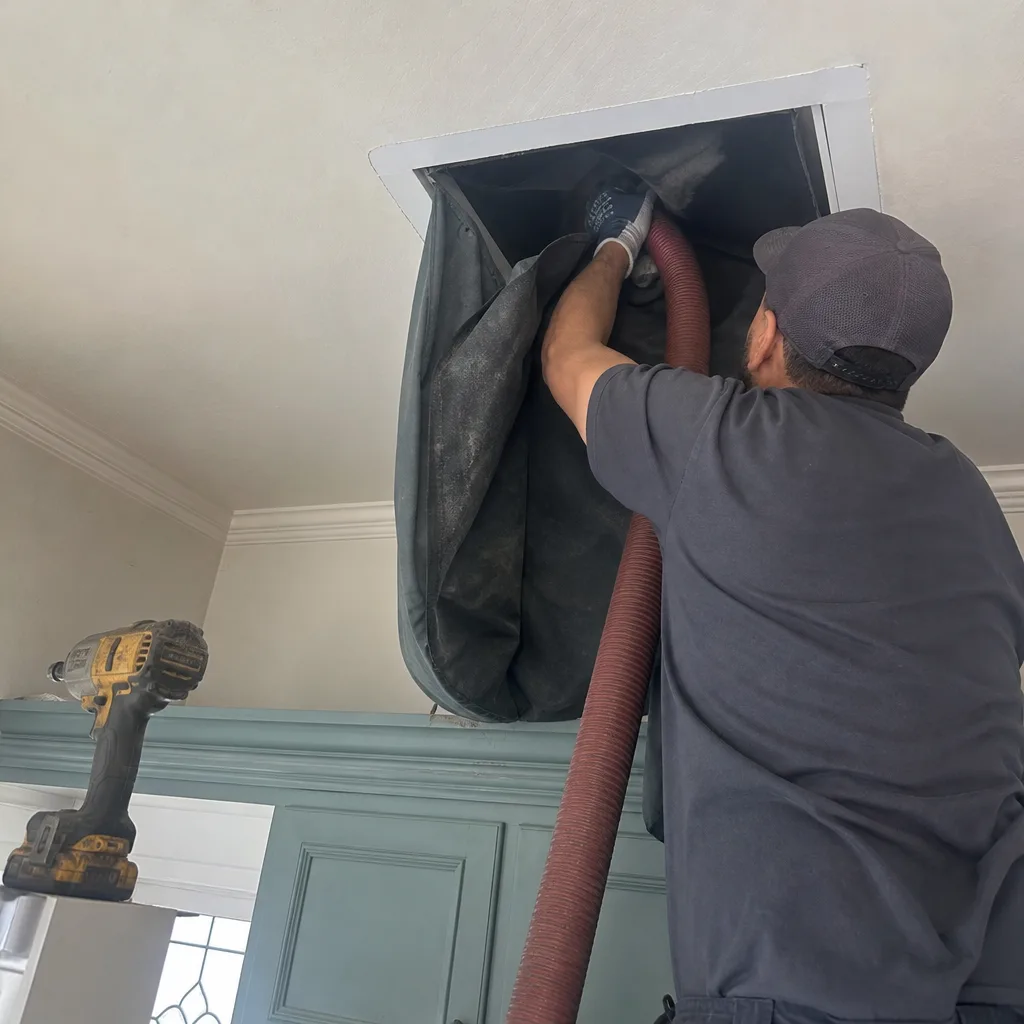 After
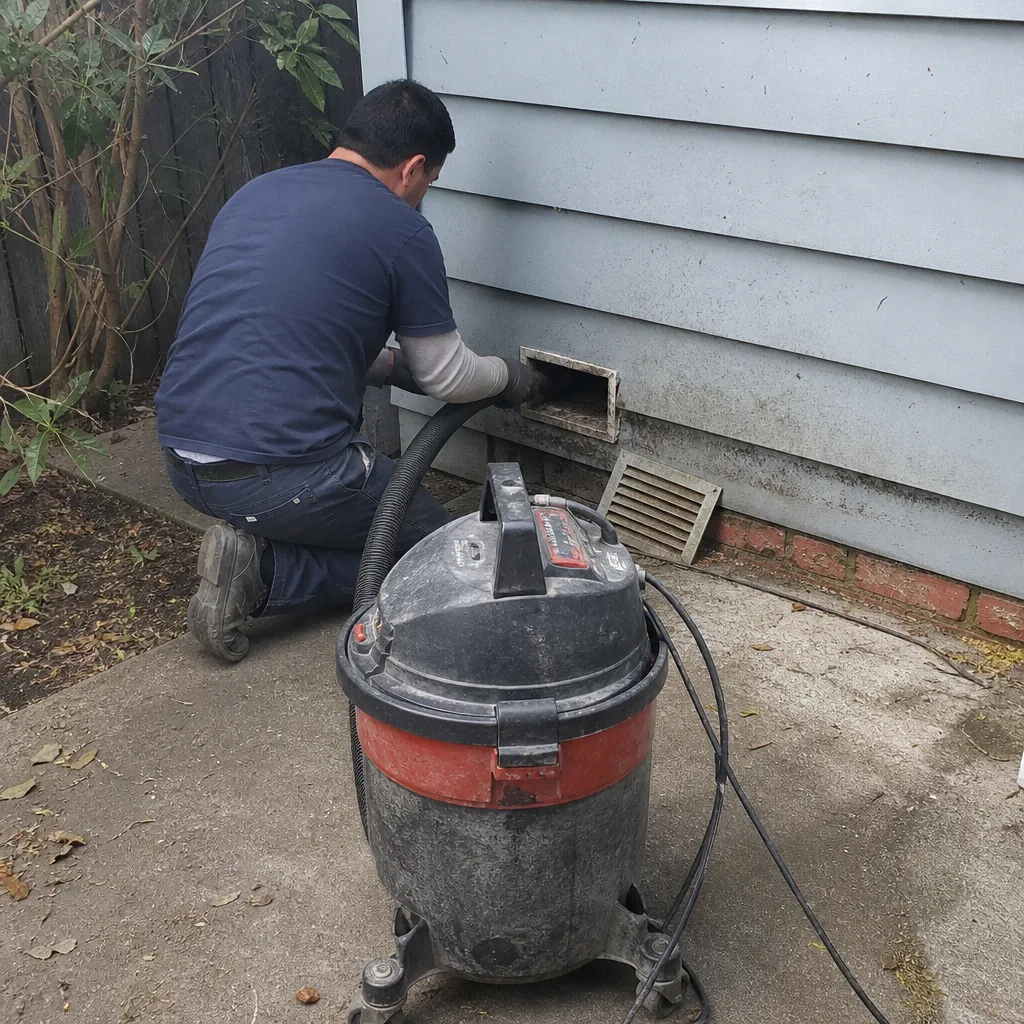 Before
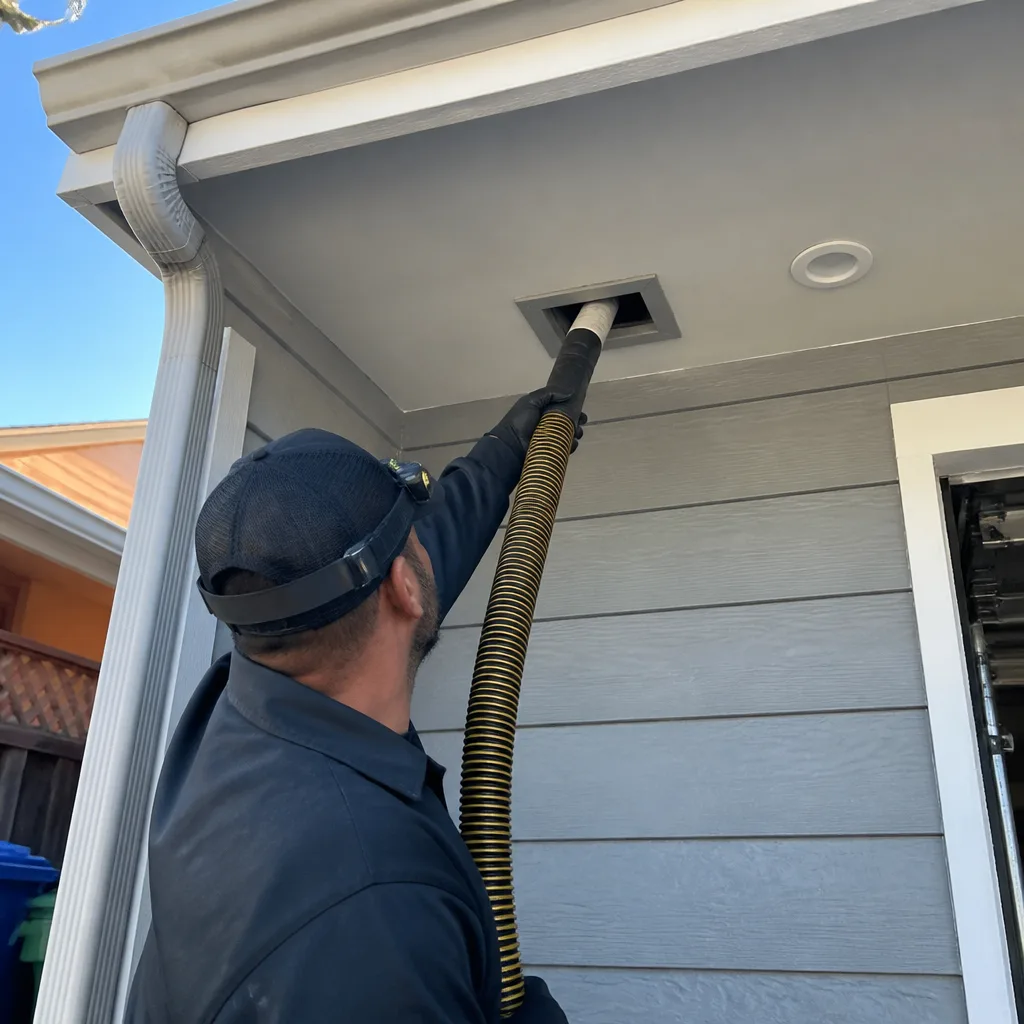 After
 Before
 After