
Last updated November 2, 2026
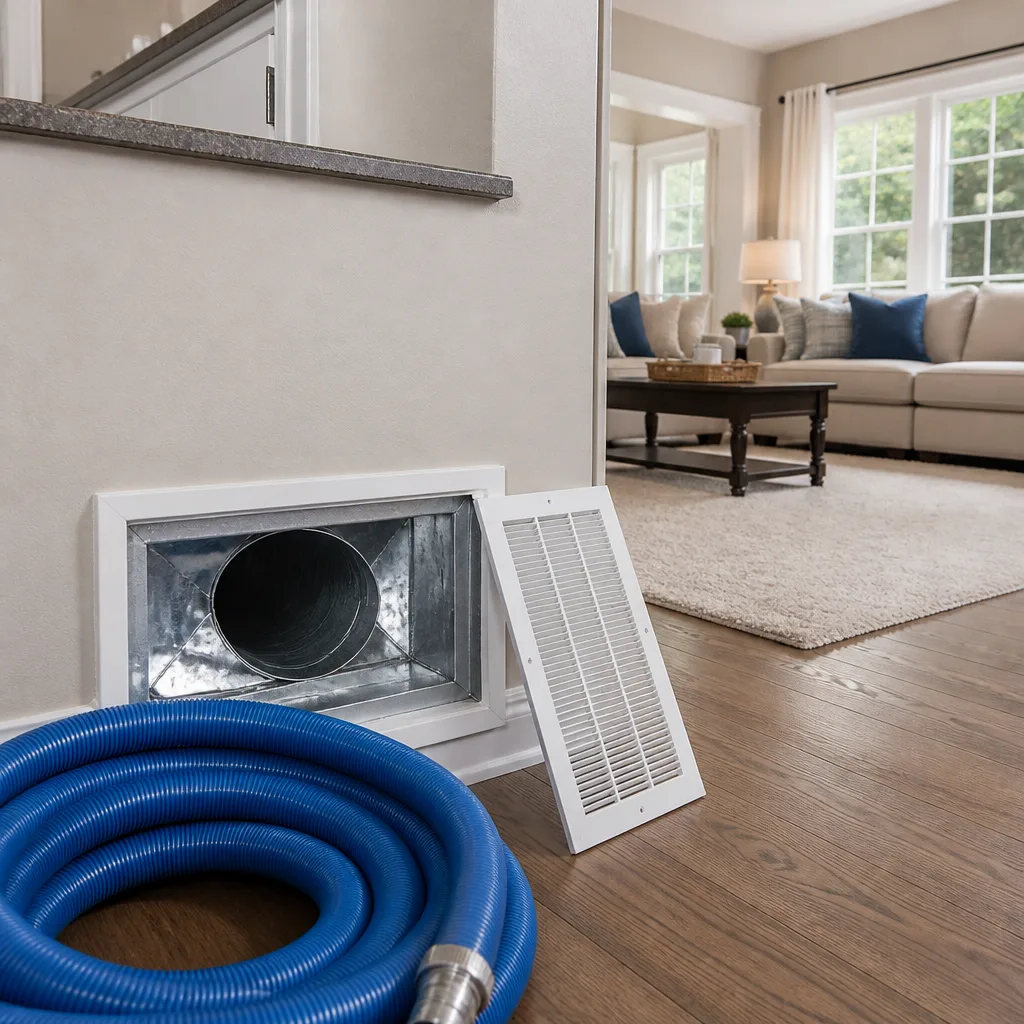 Whole-home duct cleaning
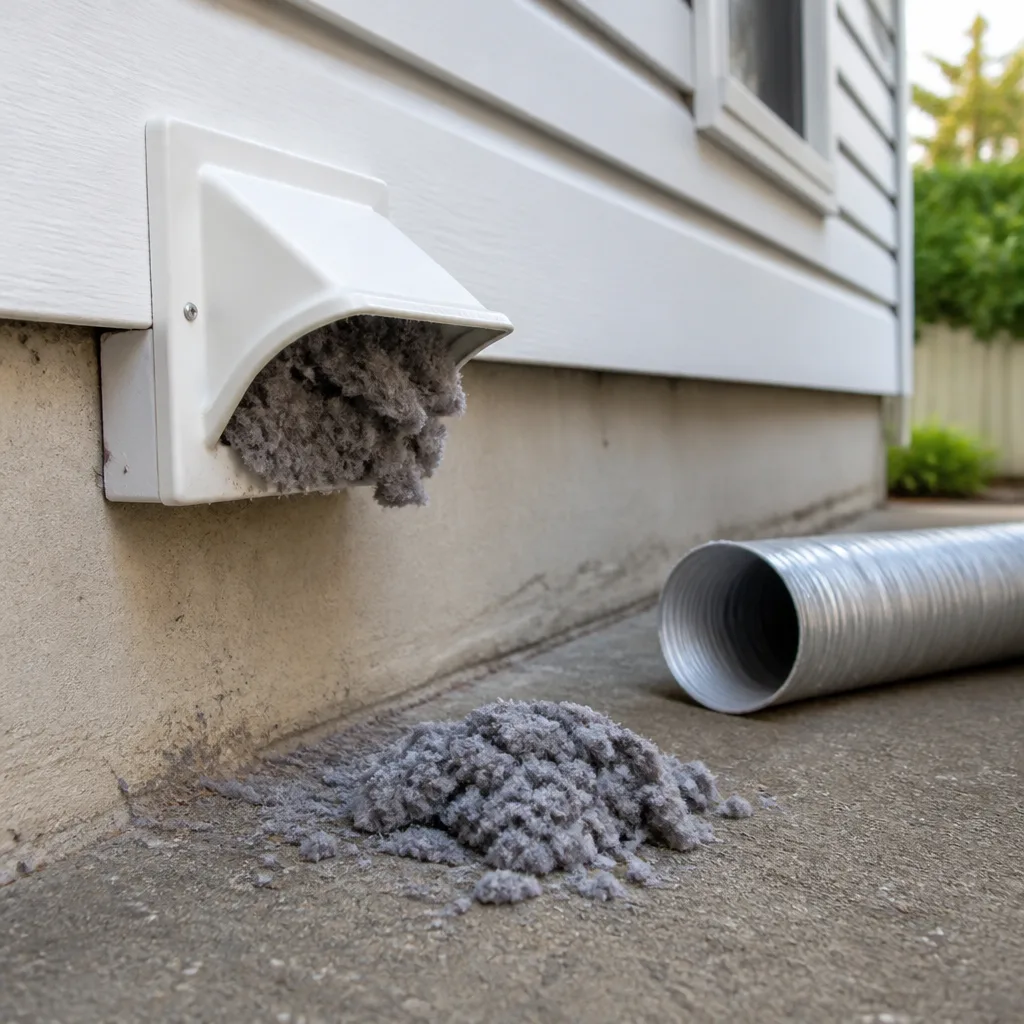 Dryer vent cleaning
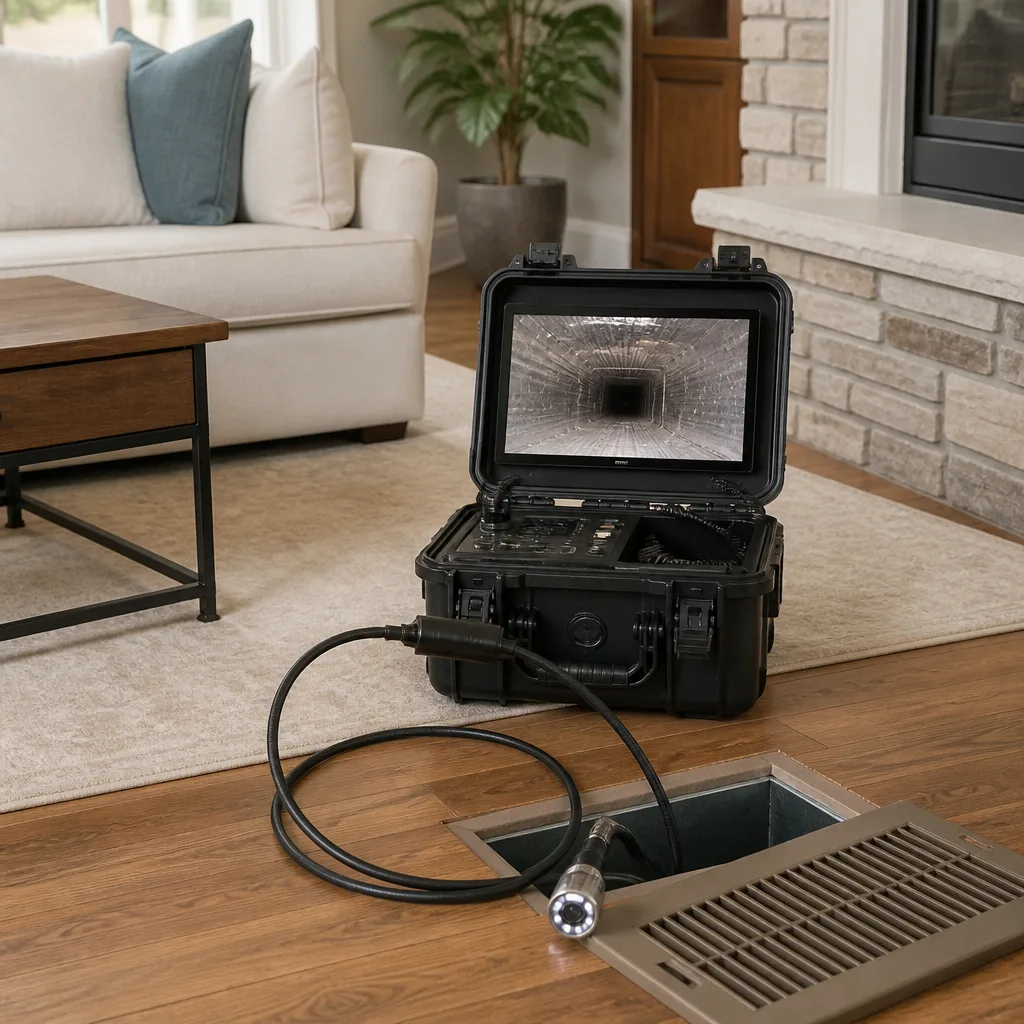 Camera inspection
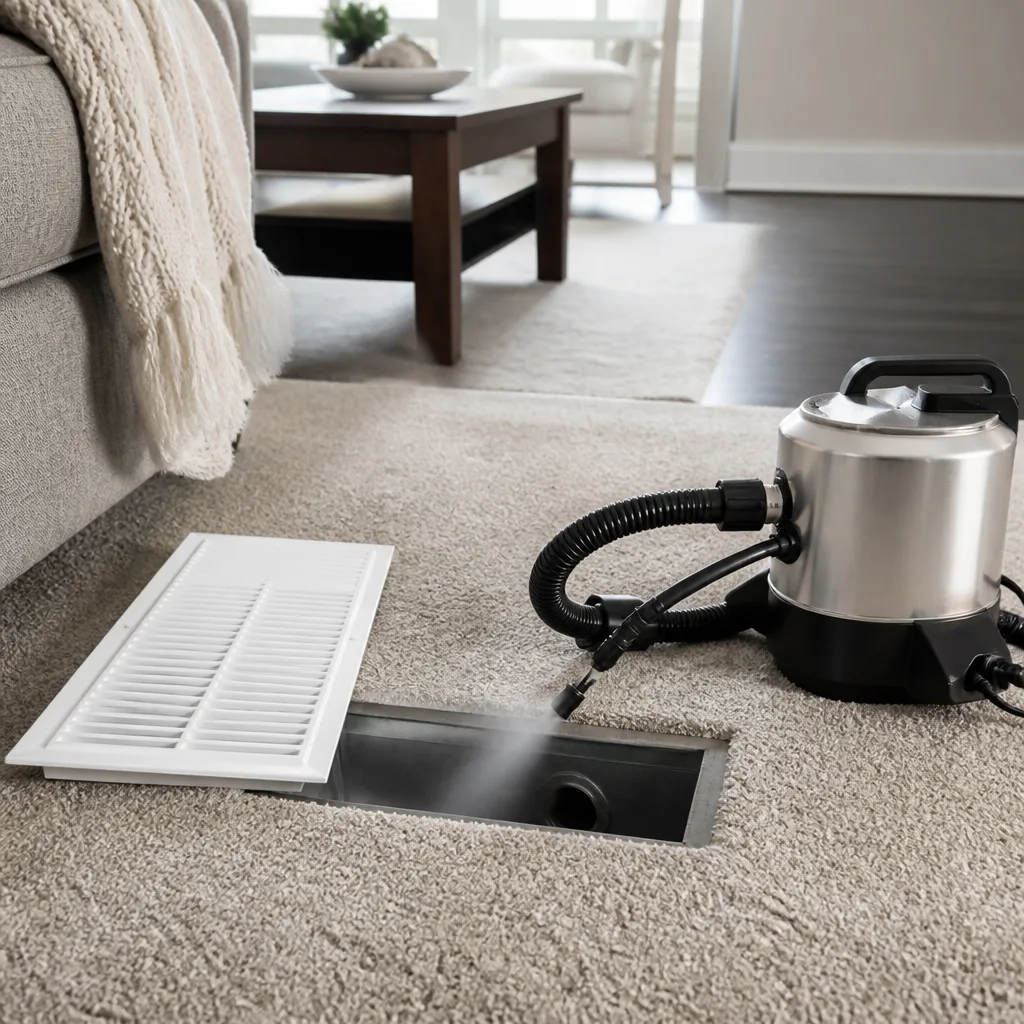 Sanitizing & deodorizing
Whole-system duct and dryer vent check with before-and-after photos - you see exactly what came out of your vents
That "$99 whole-house special" is a bait ad - the real number appears once they are in your hallway, or the "clean" is a shop-vac at the register. We photograph the inside of your ducts before and after instead.
Air Duct Cleaning Warning Signs: An Alameda Homeowner’s Reference Guide
Here’s what most guides won’t tell you: the air moving through your ducts carries evidence. Every time your system runs, it pushes particles past your registers, through your filters, and into the rooms where you sleep, cook, and watch television. Those particles tell a story about what’s happening upstream. The problem is that most warning-sign lists stop at “dusty surfaces” and “musty smells,” which is like a doctor ending a diagnosis at “patient feels unwell.” A musty smell could be a dirty duct or a failed drain pan or a dead rodent, and treating all three the same way wastes money and leaves the real problem untouched. Alameda’s coastal air, with its persistent humidity and salt content, adds another layer of complexity that inland guides simply don’t address. This reference guide walks through the specific, observable signals that point to distinct problems inside your duct system, so you know what you’re actually dealing with before you pick up the phone.
Quick Answer
The clearest warning signs that your Alameda home needs air duct cleaning include visible debris at supply registers, an earthy or sharp odor that intensifies when the HVAC runs, uneven room temperatures that don’t match your thermostat setting, and utility bills that climb without a corresponding change in usage. These symptoms point to different underlying problems, from simple dust accumulation to rodent contamination, duct leakage, or mold growth. The key is matching the symptom to the likely cause before paying for a cleaning that may not address what’s actually wrong.
Styles & brands we work with
- Whole-home duct cleaning
- Dryer vent cleaning
- Camera inspection
- Sanitizing & deodorizing
Table of Contents
- How to Identify What That Smell Actually Is
- Reading Your Registers: What Visible Debris Tells You
- Uneven Room Temperatures as a Duct-Restriction Signal
- Utility Bill Patterns That Point to Duct Leakage
- Alameda-Specific Factors: Humidity, Salt Air, and Older Housing Stock
- What to Photograph and Document Before Calling a Contractor
- Common Mistakes to Avoid
- When to Call a Professional
- Frequently Asked Questions
How to Identify What That Smell Actually Is
Odors are the most commonly reported duct problem in Alameda homes, and they’re also the most misdiagnosed. The first step is narrowing down what you’re smelling, because the remediation path is completely different for each scenario. Here’s what our technicians have learned to distinguish after years of investigating ductwork in Alameda’s housing stock, which ranges from 1920s bungalows in the Gold Coast to 1970s ranch homes near Bay Farm Island.
Mold or mildew odor presents as earthy, damp, and persistent. It doesn’t fluctuate much between rooms, and it tends to hang in the air whether the system is running or not. In Alameda, where summer fog can push relative humidity above 80 percent for days at a time, this odor often traces back to a condensate issue: a drain pan that isn’t emptying, an evaporator coil that’s holding moisture, or ductwork in an unconditioned crawl space that’s pulling in damp air. The smell is consistent because the moisture source is consistent.
Rodent contamination smells completely different. It’s sharp, acrid, and localized. You’ll notice it intensifies near specific registers, often in one part of the house, and it may worsen when the blower first kicks on. That’s because the odor source is physically located in one section of ductwork, not distributed throughout the system. Alameda’s older homes with pier-and-beam foundations and accessible crawl spaces are particularly vulnerable to rodent entry at duct junctions.
Dust burnoff odor is the one homeowners most often mistake for something serious when it’s actually benign. It’s brief, faintly electrical or burnt, and appears only during the first few minutes of a heating cycle after months of disuse. It typically dissipates within five to ten minutes of runtime. This is simply accumulated dust burning off the heat exchanger. If the smell returns every time the system runs, or if it persists beyond the first few cycles, that’s a different conversation entirely.
Here’s the practical takeaway: if you can’t tell which category your smell falls into, run your system for twenty minutes with a window cracked, then close the window and check whether the odor returns. If it does, you’re dealing with a resident source, not a transient one, and that’s worth investigating.
Reading Your Registers: What Visible Debris Tells You
Your supply registers are the end of the line for everything moving through your ductwork, which makes them the most honest diagnostic surface in your HVAC system. What accumulates there tells you what’s upstream, and in Alameda’s housing market, where many homes still have original duct runs from decades ago, that upstream picture often includes surprises.
Fibrous buildup around register vanes is the most common finding. If you see what looks like gray fuzz collecting on the slats or around the edges of a register, that’s typically a combination of synthetic carpet fibers, pet hair, and household dust that’s been cycling through the system. In homes with pets, especially long-haired breeds, this buildup can occur within months, not years. It indicates that your ductwork is recirculating particulate matter, and more importantly, that your system’s return-air path isn’t pulling all of it toward the filter.
Dark staining around grille edges is different from fuzzy buildup, and it’s a stronger signal. That staining is usually fine particulate deposition, often from combustion sources (candles, cooking, fireplace use) or from deteriorating duct liner material. In Alameda’s older homes, duct systems installed before 1980 often contain internal fiberglass liner that breaks down over time, releasing particles that deposit as dark smudges around register openings. This isn’t just a cleaning issue; it can indicate the liner itself needs attention, which falls under Air Duct Repair in Alameda rather than cleaning alone.
Visible particulate on surfaces directly below or across from a supply register is worth investigating. If you wipe a shelf and find gray or black particles return within a day or two, your ducts are actively distributing material into your living space. Picture a dresser across from a bedroom register in one of Alameda’s Victorian homes: if that surface develops a film despite regular dusting, the ductwork is the delivery mechanism. This is also the scenario where before-and-after documentation matters most, which we’ll cover later in this guide.
One more register-specific signal: if you remove a register and see a visible layer of debris lining the duct interior itself, that’s not normal accumulation, that’s a buildup measured in years or decades. Ducts in Alameda homes that have never been cleaned, particularly in houses built before the 1990s, can show half an inch or more of matted material. That’s a full-system issue, not a surface one. Companies that clean “from the register only” never address this. A proper Air Duct Cleaning in Alameda gets into the entire run, not just the last twelve inches.
Uneven Room Temperatures as a Duct-Restriction Signal
Your HVAC system is designed to deliver conditioned air in roughly equal measure to every room connected to it. When one room runs consistently warmer in summer or cooler in winter, something is restricting airflow to that space. The question is whether that restriction is in the ductwork itself or in the room’s usage patterns.
Here’s a straightforward method for isolating the problem:
- Set your thermostat to a consistent temperature. Pick 72 degrees and leave it there for at least four hours.
- Measure each room’s temperature at the same time. A basic infrared thermometer from a hardware store works fine. Measure at chest height, away from windows and exterior walls.
- Note the differential. A healthy system should keep rooms within 2 to 3 degrees of the thermostat setting. Anything beyond 4 degrees indicates restricted airflow or insufficient insulation.
- Check register airflow. Hold a strip of tissue paper near each supply register while the system runs. Register with strong flow? The problem may be insulation, window leakage, or solar gain. Register with weak flow? The restriction is in the duct run feeding that room.
- Map the duct path. In Alameda homes with crawl spaces, you can often follow the duct routing visually. Look for runs that sag, runs that have been crushed by stored items, or runs with visible disconnections.
What causes duct restrictions in the first place? In our experience, the most common culprits in Alameda are sagging flexible ducts that have pulled away from their connections, crushed runs in low-clearance crawl spaces, and collapse points where aging duct board has caved inward. Some of these are fixable as part of a cleaning visit when the system is already open. Others require dedicated repair work.
One specific pattern we see repeatedly in Alameda’s duplexes and converted multi-family properties: a room that was added on or converted later in the home’s life often has an undersized duct run that was never properly balanced. The room will always run warm in summer, no matter how much you clean. That’s a design issue, not a contamination issue, and no amount of duct cleaning fixes it. Knowing the difference saves you money.
Utility Bill Patterns That Point to Duct Leakage
Duct leakage is the quiet cost driver in Alameda homes. The Department of Energy estimates that typical duct systems lose 20 to 30 percent of conditioned air through leaks, holes, and poorly sealed connections. In older homes, that number can push toward 40 percent. All that conditioned air is being routed into your crawl space or attic instead of your living room.
The utility bill pattern that points to duct leakage is specific. You’ll see a summer electric bill that spikes sharply compared to neighbors in similar-sized homes, or a winter gas bill that climbs disproportionately. But the clearest signal is an asymmetry: your cooling costs jump dramatically in summer while your heating costs stay within expectations, or vice versa. That asymmetry suggests the HVAC equipment itself is functioning properly, but the distribution system is wasting output.
Here’s how to spot it:
- Compare against regional averages. A 1,800-square-foot home in Alameda with typical insulation and a reasonably efficient furnace should not have summer cooling bills that look like Sacramento’s. If your costs run 30 to 50 percent above comparable homes in your neighborhood, leakage is a prime suspect.
- Watch for the shoulder-season tell. Duct leakage doesn’t take a break. In Alameda’s mild spring and fall, when you barely run the system, a leaking duct system doesn’t cost you much because the equipment isn’t cycling. The moment temperatures push into the 80s or drop into the 40s, the waste becomes visible on your bill.
- Look for rooms that never feel comfortable. Leakage and restriction often travel together. If the room at the far end of a duct run never reaches the thermostat setting, some of the air that should have gotten there is escaping en route.
Fixing duct leakage is not a cleaning job. It requires sealing connections, repairing damaged runs, and sometimes adding insulation. At Everclear Air Duct Cleaning, we handle Air Duct Repair in Alameda alongside cleaning precisely because we see so many systems where poor sealing undermines the benefits of even the most thorough cleaning. One call addresses both, and that’s the point of full-system care.
Alameda-Specific Factors: Humidity, Salt Air, and Older Housing Stock
Alameda is not San Jose, and it’s not Walnut Creek. The island’s microclimate creates specific conditions that affect ductwork in ways that generic guides don’t cover. Understanding these local factors helps you interpret what you’re seeing in your own home.
The humidity reality. Alameda sits in the East Bay’s fog belt. From May through August, morning marine layer can hold humidity at 70 to 90 percent until well past noon. Ductwork in unconditioned spaces, particularly the crawl spaces common under Gold Coast and East End homes, absorbs that moisture daily. When your AC cycles, it pulls that damp air through the system. This is why Alameda homeowners report musty duct odors more frequently than inland neighbors with identical equipment. It’s not that your system is dirtier; it’s that your ambient moisture loads are simply higher.
Salt air and metal components. Homes within a mile of the shoreline, which covers most of the island, experience measurable salt deposition on exposed metal. Galvanized steel ducts in crawl spaces corrode faster here than they would ten miles inland. That corrosion doesn’t happen inside your walls where you can see it. It happens in the crawl space, at duct junctions, and on register boots. When you shine a flashlight into a floor register in a 1950s Alameda home, you may see rust staining that has nothing to do with water leaks and everything to do with decades of salt-laden air exposure.
Housing stock age distribution. Alameda’s inventory skews older than most Bay Area cities. A significant portion of the island’s single-family homes were built before 1970, and a meaningful share date to the 1920s and earlier. That means original or decades-old ductwork is common. Many of these systems were designed for heating only, with cooling added later through retrofits that often left undersized returns and inconsistent distribution. When a system was never designed for what it’s now asked to do, cleaning alone can’t solve comfort complaints. The ductwork itself needs evaluation.
What this means for you: if your home is older, closer to the water, and shows any of the warning signs in this guide, the issue is likely compounding. A moderate dust load plus salt corrosion plus elevated humidity produces symptoms that look more serious than they are individually. The good news is that a full-system inspection can clarify what’s actually happening, and that’s where the right contractor makes a difference.
What to Photograph and Document Before Calling a Contractor
The single most useful thing you can do before making a single phone call is to document what you’re seeing. Not because contractors will doubt you, but because visual evidence helps a technician diagnose the problem before arriving, quote the work accurately, and prioritize the right fixes. It also gives you a baseline for verifying that work was actually completed, which matters in an industry where the quality of service varies widely.
Here’s what to capture:
- Photograph every register with visible buildup. Use your phone’s flash. Get close enough to show the texture of the debris. Blurry wide shots are useless; a clear image of a specific register tells a story.
- Document the odor pattern in writing. Note what the smell is like (earthy, sharp, burnt), when it occurs (system running, system off, heating only), and whether it’s stronger in specific rooms. This information is diagnostic gold.
- Photograph duct interior if accessible. If you can remove a register and see into the duct run, photograph what you see. A layer of gray matting, visible rust, or deteriorated liner material all point to different solutions.
- Record your room-by-room temperature readings. The numbers from the method described above tell a technician exactly which runs to inspect first.
- Find your filter, photograph it, and note its age. A completely clogged filter changes the diagnosis. A clean filter with dirty ducts points upstream.
- Photograph the crawl space or attic where ductwork is visible. If you can safely access these spaces, images of sagging, disconnected, or damaged duct runs help a contractor understand scope before quoting.
One more thing worth documenting: your home’s return-air placement. Many Alameda homes have a single central return, often in a hallway. If that return is undersized or poorly positioned, it creates negative pressure in the home, which pulls in outside air, which brings contaminants into the system. A photo of your return grille and its location relative to supply registers helps a technician evaluate whether the system is even moving air correctly, separate from whether the ducts are clean.
Common Mistakes to Avoid
- Treating every odor as “dirty ducts.” As covered above, different smells mean different problems. Cleaning ducts that don’t need cleaning won’t fix a failed drain pan, and won’t remove a rodent that’s still in residence. Diagnose first, clean second.
- Accepting a quote without an inspection. Any contractor who prices duct cleaning sight-unseen, over the phone, without asking for details or photographs, is guessing. Guesses produce surprises on invoice day. In Alameda, where duct conditions vary enormously from one vintage home to the next, inspection is non-negotiable.
- Falling for per-vent pricing. The bait-and-switch pattern in this industry works like this: a low per-vent price draws you in, then the contractor “discovers” that your home has more vents than expected, or that the job requires “additional services.” Reputable companies quote one flat price for the full system, agreed before work starts.
- Skipping the repair conversation. Cleaning a duct system with active leaks, damaged liner, or disconnected runs is like detailing a car with a blown head gasket. The surface work doesn’t address the mechanical problem. Ask whether cleaning will expose or worsen any existing issues, and whether repair should happen first.
- Assuming new construction means clean ducts. Newer Alameda homes, particularly those from the 2000s construction boom near Alameda Landing, often have cleaner duct interiors but tighter building envelopes. That tightness can concentrate indoor pollutants including VOCs from new materials. The ductwork isn’t dirty in the traditional sense, but indoor air quality can still suffer. Clean ducts plus proper filtration is the relevant conversation.
- Using the wrong filter as a duct-cleaning substitute. A high-MERV filter traps more particles at the unit, but it doesn’t remove existing debris from duct interiors. It also increases static pressure, which can reduce airflow if your system wasn’t designed for it. Filter upgrades and duct cleaning address different parts of the problem.
- Waiting for a “clear” warning sign. Duct contamination doesn’t announce itself with a dramatic event. It accumulates gradually, and by the time you notice visible debris or persistent odor, the system has likely needed attention for months or years. The homeowners who report the best indoor air quality are the ones who set a maintenance schedule rather than waiting for symptoms to force the issue.
When to Call a Professional
Some situations genuinely warrant a professional assessment rather than continued observation. If you’ve identified visible debris at multiple registers alongside any persistent odor, that’s a call. If your room-by-room temperature readings show a differential beyond 4 degrees, that’s a call. If you’ve lived in your Alameda home for more than three years and have no record of the ducts ever being cleaned, that’s a call. And if you can see the duct interior and it looks like something you wouldn’t want to breathe through, that’s not even a question.
Everclear Air Duct Cleaning offers free estimates in Alameda. Call (833) 620-5944 and we’ll assess what’s actually going on in your system before recommending anything.
Frequently Asked Questions
A full-system air duct cleaning for a typical Alameda home ranges from $450 to $900, depending on home size, number of systems, and the condition of the ductwork itself. Homes with two HVAC systems, extensive contamination, or difficult-access crawl spaces trend toward the higher end. The key is getting one flat price per system agreed before work starts. Call (833) 620-5944 for an exact quote, and ask specifically whether the price covers the full system, not just limited vent count.
Low quotes typically come from operations that clean only the visible portions of ducts, use less powerful equipment, skip the main trunk lines, or price per vent and then inflate the total once on site. Professional-grade equipment like Rotobrush rotary brush systems and Nikro HEPA-rated vacuums costs real money to buy, maintain, and operate. When a quote seems dramatically lower than the ranges above, ask what equipment they use, whether the price is flat, and whether you’ll see proof of the work afterward. If they can’t answer, walk away.
A reputable contractor provides verifiable evidence. That means before-and-after photographs of the duct interior, not just an invoice. At Everclear Air Duct Cleaning, we use equipment from Rotobrush and Nikro specifically because these systems are designed for visible, confirmable results. You should be able to see the difference, and you should be shown the difference before the team packs up.
For most Alameda homes, every three to five years is a reasonable interval. Homes with shedding pets, recent renovations, or residents with significant allergies or respiratory conditions may benefit from shorter intervals of two to three years. Homes near shoreline areas with higher humidity and salt exposure should inspect ductwork annually even if cleaning isn’t needed that often, because corrosion and moisture-related issues develop faster than typical dust accumulation.
It can be, particularly if you’ve owned your home for several years without a cleaning and you can’t verify the system’s history. Duct contamination is invisible by nature; the interior of a duct run is the one part of your home you can’t easily inspect. If you have concerns about indoor air quality for health reasons, a professional assessment with photographic evidence is worth more than continuing to guess. For many homeowners, the answer becomes obvious once they see images of what’s actually inside their ducts.
Yes, particularly in crawl spaces and unconditioned areas where ductwork absorbs moisture from the coastal air. The risk is highest in homes with poor crawl space ventilation, standing water after winter storms, or duct systems with internal liner that holds moisture. That said, not every earthy odor is mold, and confirming the source before remediation is the step most homeowners skip. If you suspect mold in your ducts, the right move is a professional inspection with specific documentation of what’s found.
This depends on what the inspection reveals. Ducts with moderate dust accumulation, debris, or light contamination are cleaning candidates. Ducts with collapsed runs, extensive corrosion, deteriorated liner, or structural damage from rodents may need repair or replacement. At Everclear Air Duct Cleaning, we handle both Air Duct Cleaning in Alameda and Air Duct Repair in Alameda, so the same technician who inspects your system can tell you honestly which path applies. You never get pushed toward cleaning when repair is what’s actually needed.
Dryer vents are separate from your HVAC ducts, but they absolutely affect home safety and can affect air quality if a clogged vent causes the dryer to exhaust moisture and lint into your living space. Alameda’s older homes often have long dryer vent runs through crawl spaces, which are prone to lint buildup and are a documented residential fire hazard. Dryer Vent Cleaning in Alameda is a different service from air duct cleaning, but it’s part of the same whole-home picture, and it’s one of the services we handle under one roof. For more context on our approach, visit the Everclear Air Duct Cleaning home page.
The Bottom Line
Your ductwork is not a mystery. It’s a system that leaves evidence, and learning to read that evidence puts you in control of the conversation. Specific odor profiles map to specific problems. Visible register debris points to specific contamination types. Temperature differentials identify restriction zones. Utility bill patterns expose leakage. Document what you see, understand what it likely means, and when you’re ready to address it, choose a contractor who will show you the inside of your ducts, not just hand you an invoice. In Alameda’s older housing stock and moisture-heavy climate, that transparency isn’t a luxury. It’s the difference between paying for a cleaning and actually getting one.
Written by the team at Everclear Air Duct Cleaning, serving Alameda since 2017.
See the difference
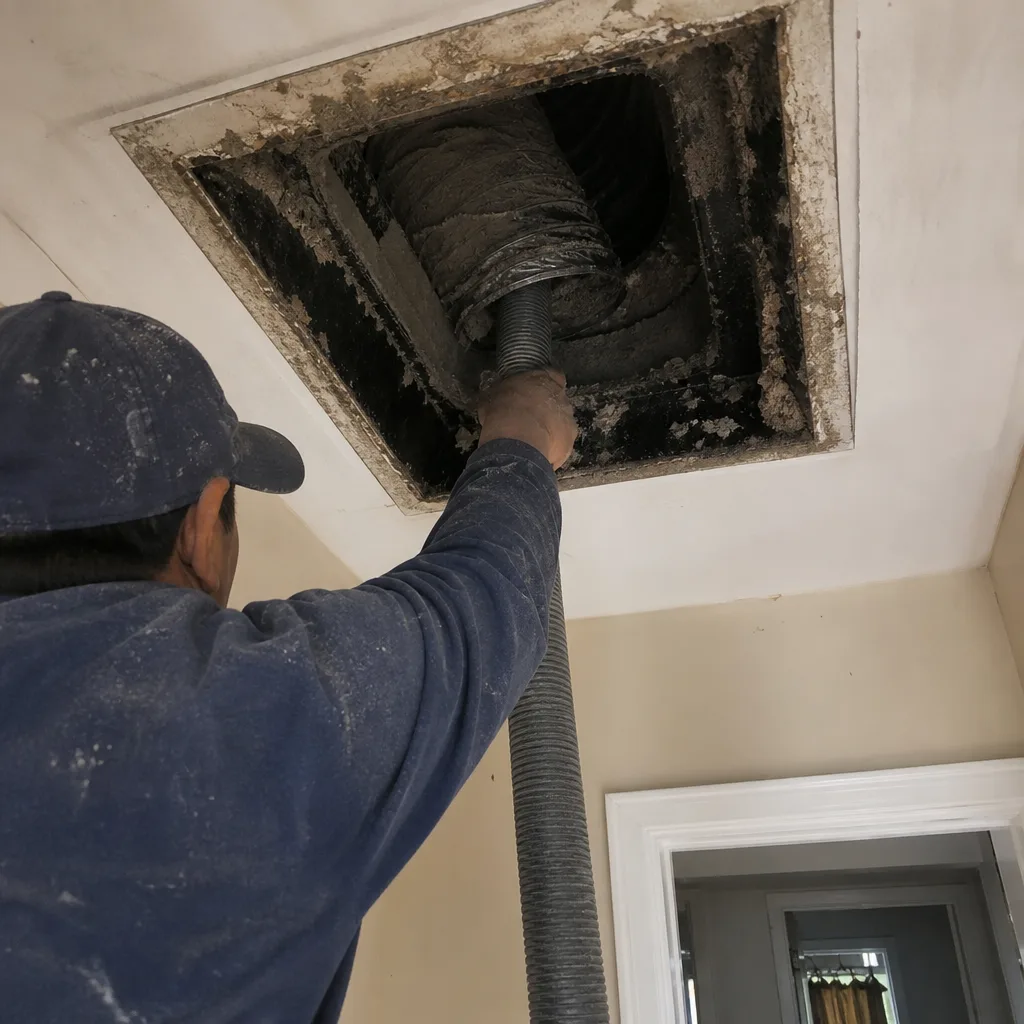 Before
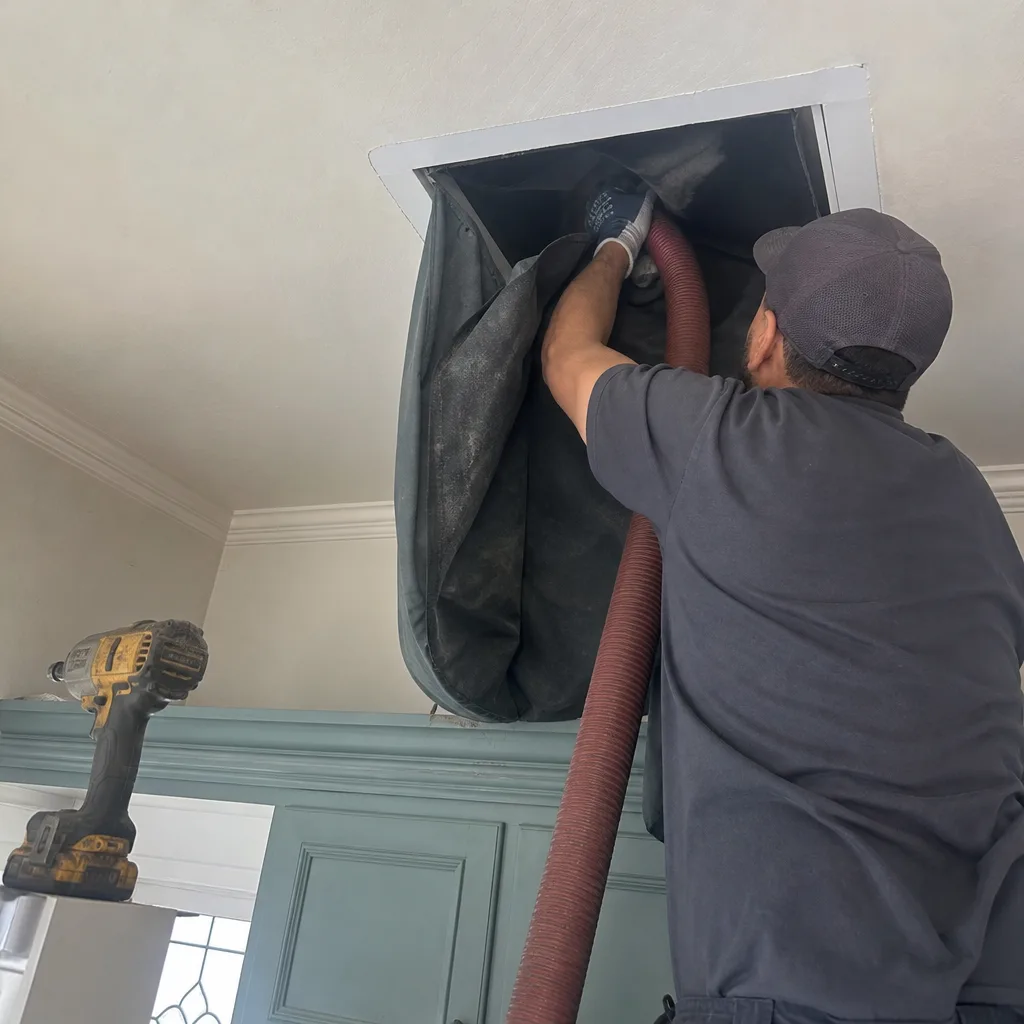 After
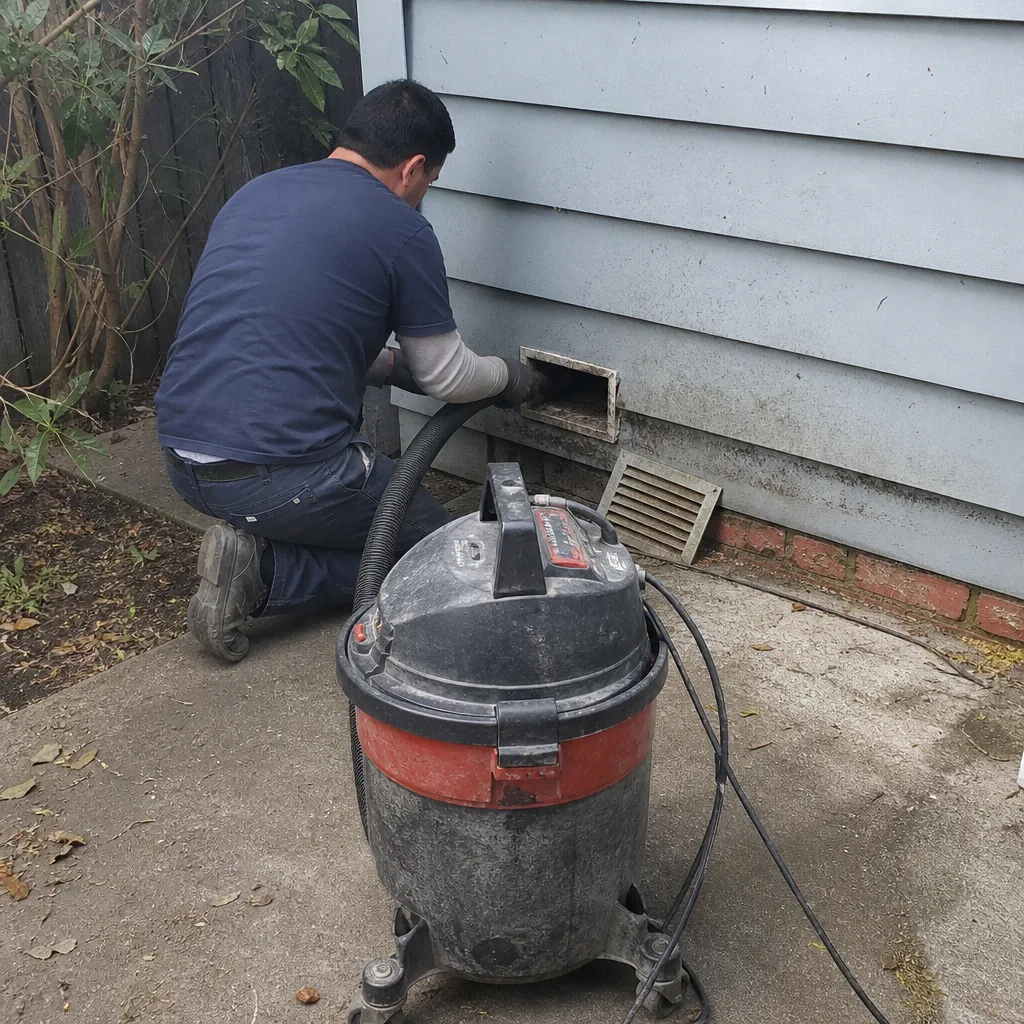 Before
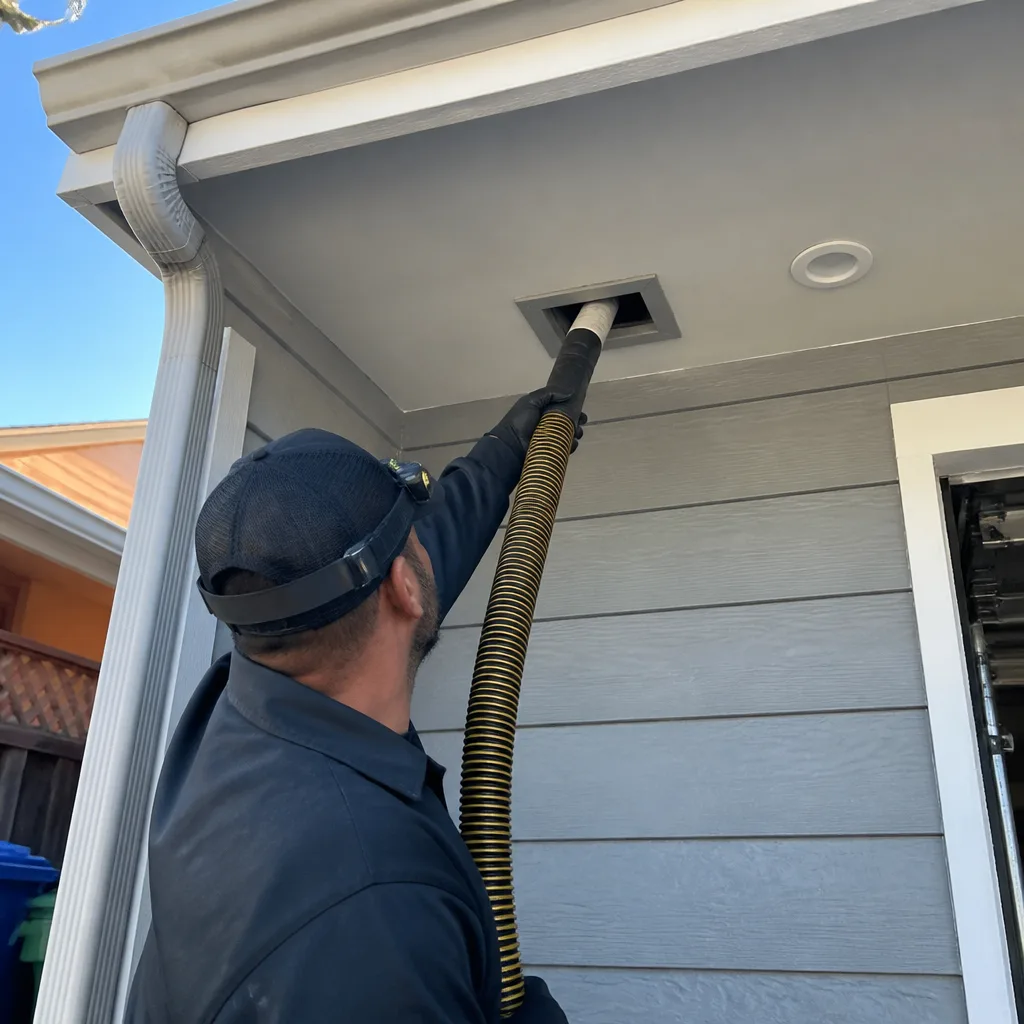 After
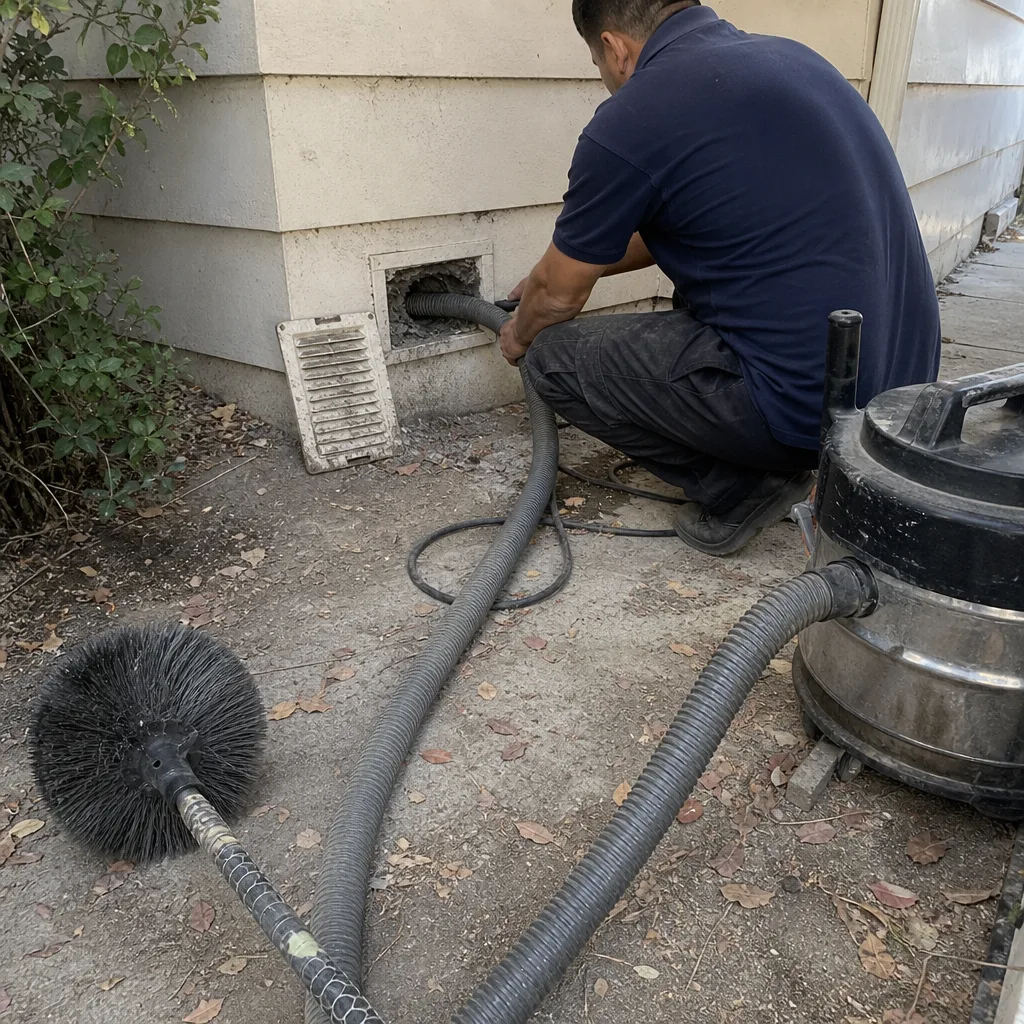 Before
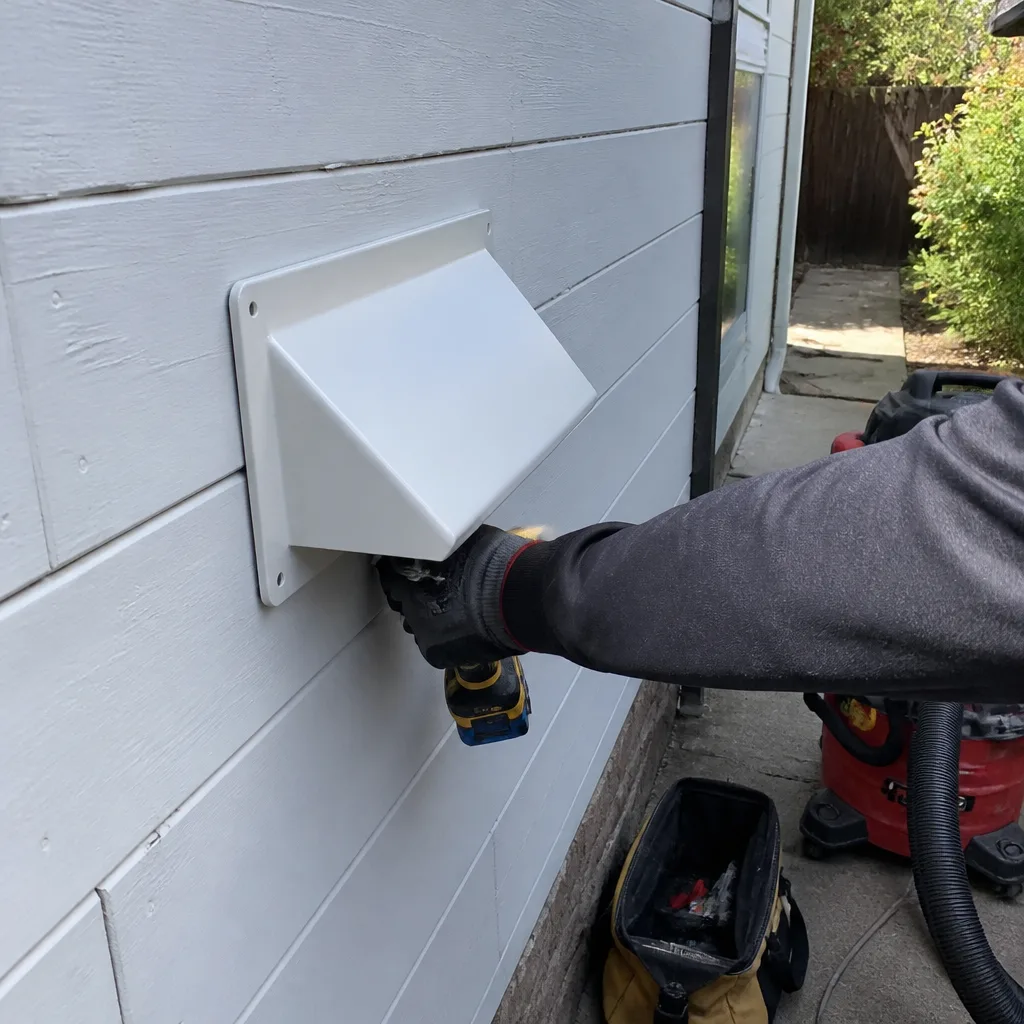 After