
Last updated November 2, 2026
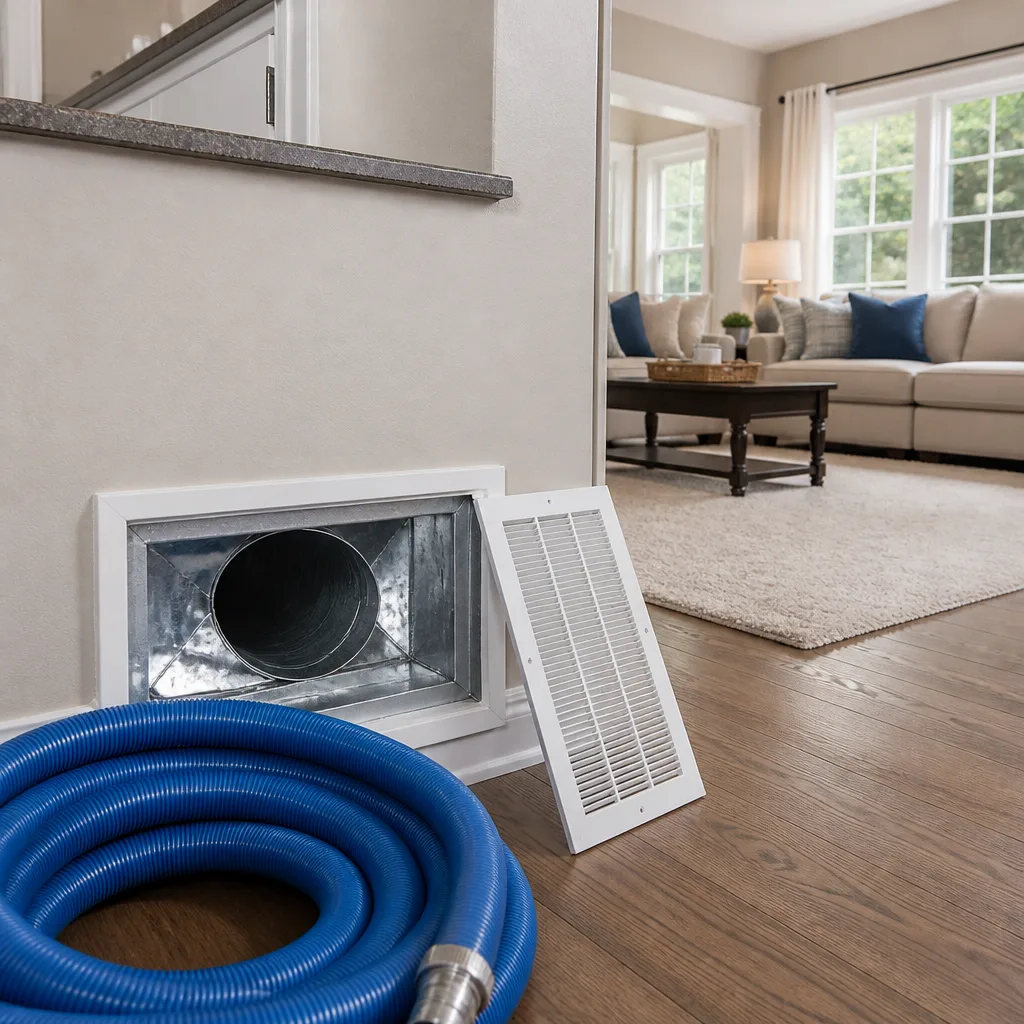 Whole-home duct cleaning
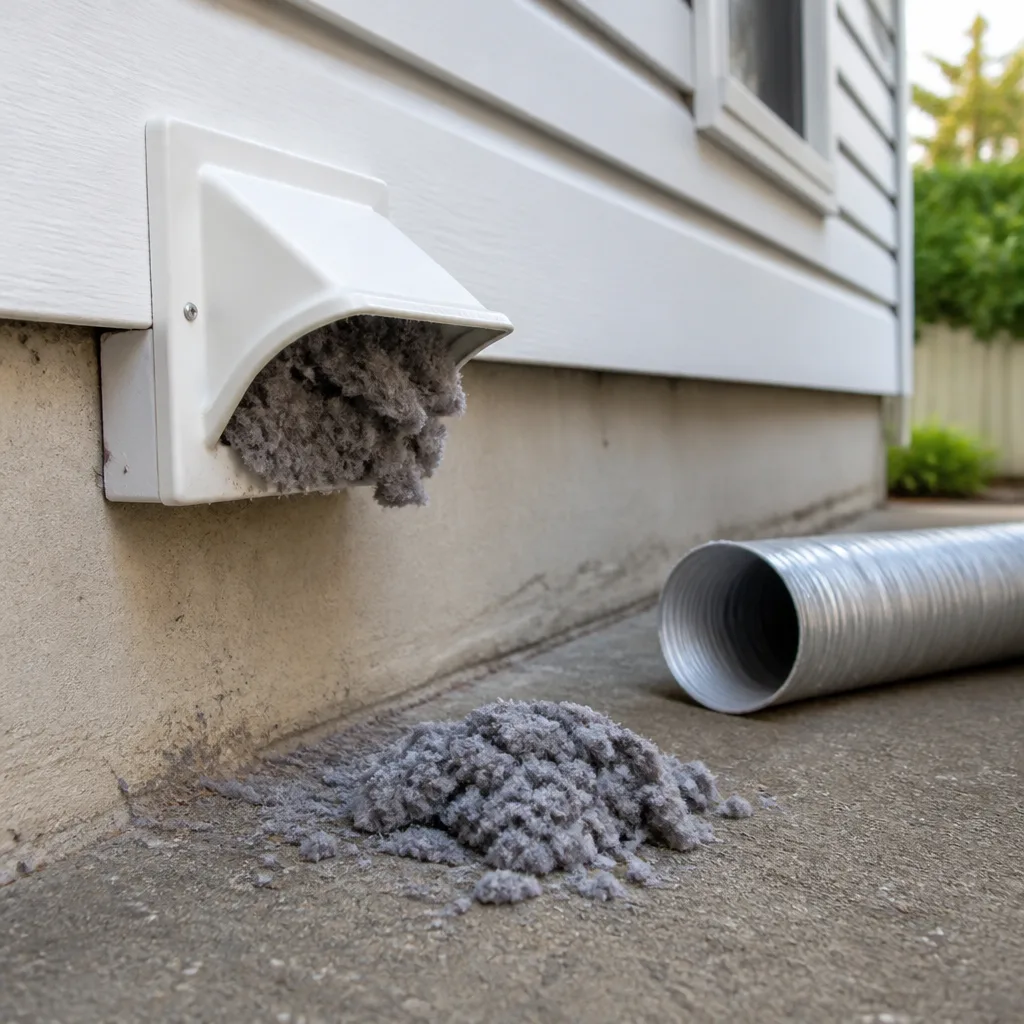 Dryer vent cleaning
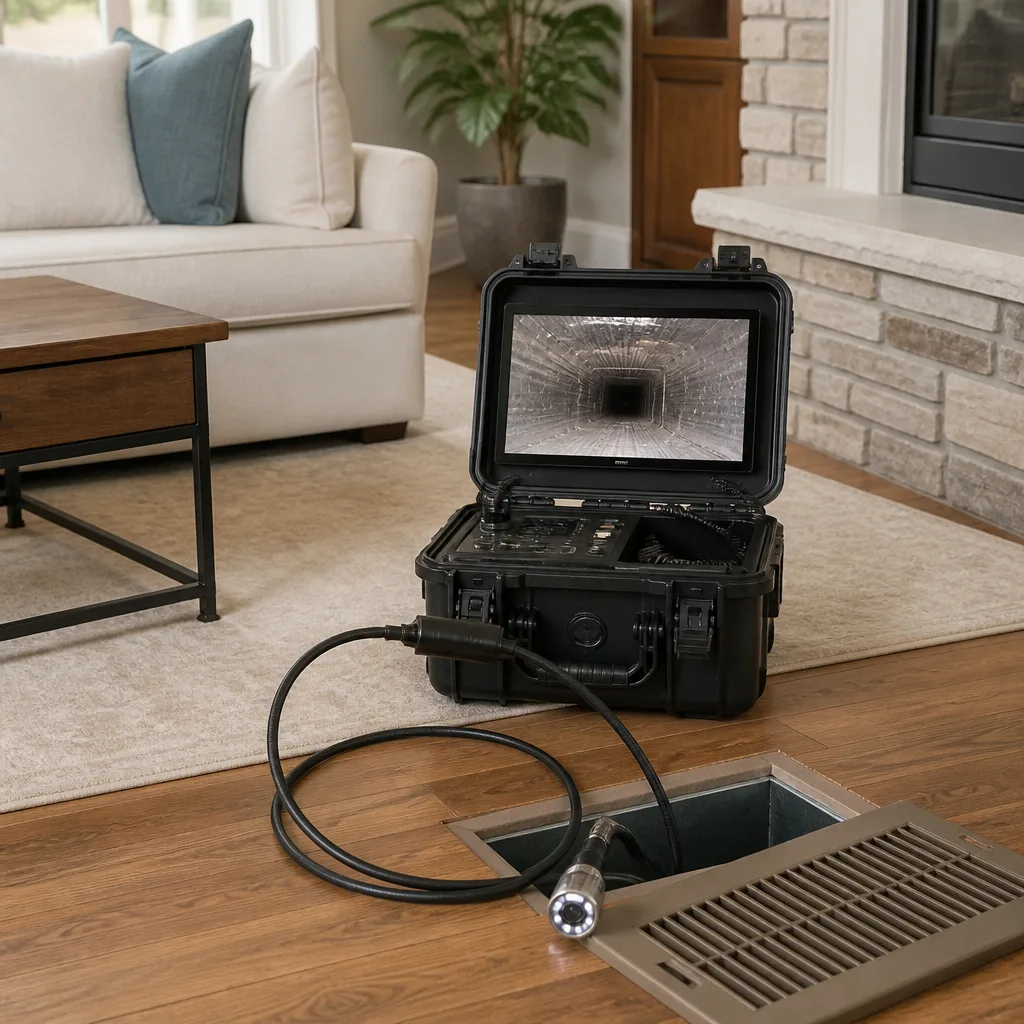 Camera inspection
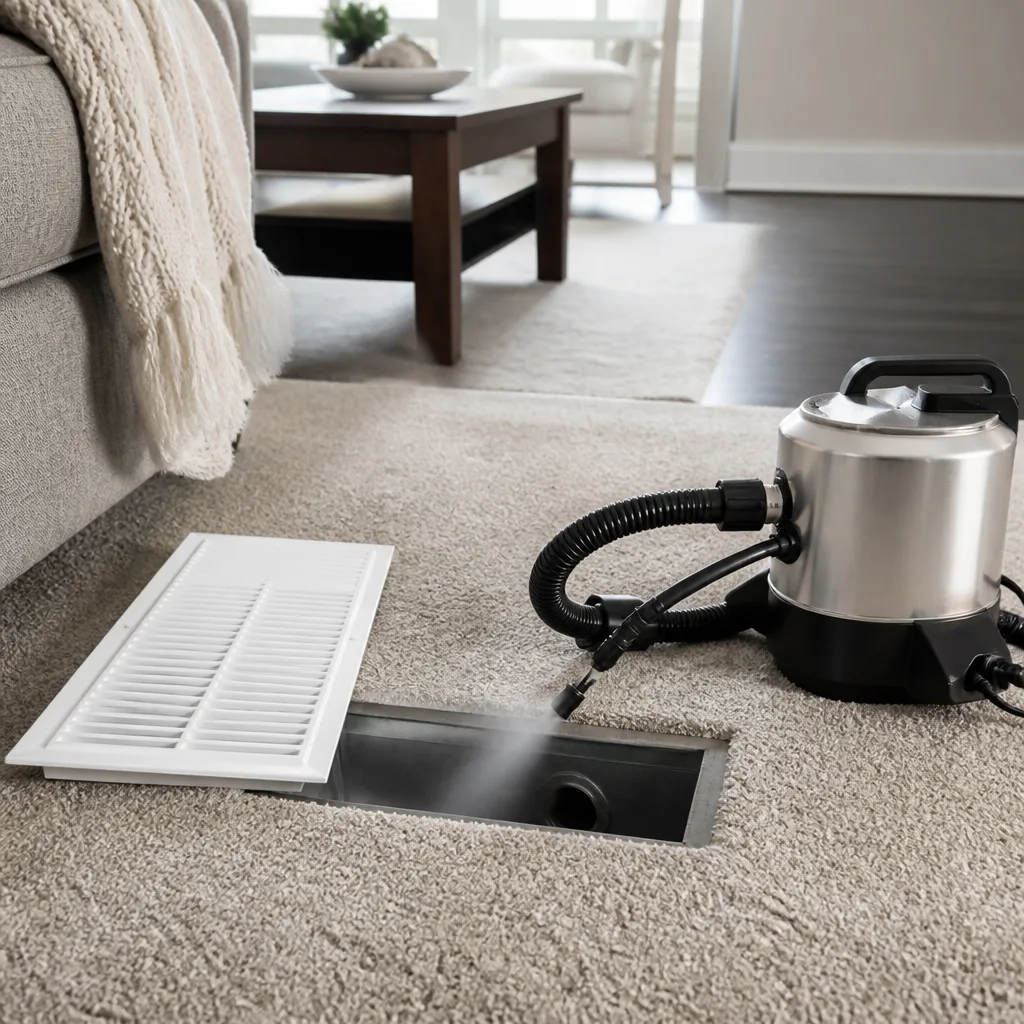 Sanitizing & deodorizing
Whole-system duct and dryer vent check with before-and-after photos - you see exactly what came out of your vents
That "$99 whole-house special" is a bait ad - the real number appears once they are in your hallway, or the "clean" is a shop-vac at the register. We photograph the inside of your ducts before and after instead.
Seasonal Air Duct Cleaning Care for Alameda: Year-Round Homeowner’s Guide
Alameda’s weather looks mild on a chart, but inside your ductwork, the swing between foggy January humidity and dry July afternoon winds creates conditions that accumulate debris faster than most Bay Area homeowners expect. The island’s marine layer doesn’t just keep temperatures moderate; it keeps moisture cycling through your HVAC system in ways that inland systems never see. This guide maps out exactly when and why ducts in Alameda collect contamination through the year, what you can check yourself, and where professional equipment makes the difference between guessing and knowing.
Quick Answer
In Alameda, Air Duct Cleaning services are most effective when scheduled twice per year: once in late October or early November before heating season begins, and again in May after spring pollen settles but before summer AC load increases. Homes near the estuary, the Oakland border, or mature tree corridors on the island’s east side often benefit from a third inspection in February when fog-driven condensation peaks.
Styles & brands we work with
- Whole-home duct cleaning
- Dryer vent cleaning
- Camera inspection
- Sanitizing & deodorizing
Table of Contents
- Why Alameda’s Microclimate Acts Differently on Ductwork
- Fall Cleaning Window: October Through November
- Winter Monitoring: December Through March
- Spring Flush: April Through May
- Summer Condensation Dynamics: June Through September
- 12-Month Maintenance Calendar for Alameda Homes
- Common Mistakes to Avoid
- When to Call a Professional
Why Alameda’s Microclimate Acts Differently on Ductwork
Alameda County sits in ASHRAE climate zone 3C, a marine-dominated classification that brings narrow temperature bands, consistent offshore airflow, and relative humidity that rarely drops below 50 percent. For ductwork, that means three specific things. First, duct surfaces stay cool enough year-round that condensation forms inside whenever warm indoor air meets the chilled metal during evening temperature drops. Second, the Bay breeze pushes fine particulate matter from the estuary and the Port of Oakland across the island, and much of that gets drawn into return air registers. Third, the fog cycle acts as a natural scrubber, depositing moisture and salt-laden particles onto roofs and intakes that then migrate into the system.
What we’ve seen in homes across the island’s east and west ends is a predictable pattern. The ducts in a Central Valley home collect dust in one long, slow accumulation. Ducts in Alameda collect dust in pulses: a fall pollen and leaf-litter pulse, a winter condensation pulse that causes existing dust to clump and adhere to duct walls, and a summer pulse of dried particulate pulled from open windows during the afternoon wind window. Each pulse leaves a different kind of deposit, and each requires a different expectation for what cleaning should accomplish.
Fall Cleaning Window: October Through November
Late October is the single most practical window for air duct cleaning in Alameda. The reason isn’t dramatic weather, it’s utility cycles. By mid-November, furnaces across the island switch from intermittent use to daily morning cycling, and any debris sitting in the system gets baked onto the heat exchanger surfaces and distributed throughout the house. Cleaning before that daily cycle begins means removing debris while it’s still loose, not heat-cured onto components.
Here’s what to check along the heat exchanger interface in the fall:
- Visible dust accumulation on register vanes. If registers in the bedroom wing look dustier than the living area, that’s a sign of return airflow imbalance, not just dirty ducts.
- Burner flame inspection access. If your furnace has a sight glass, check for a blue flame with sharp definition. A lazy orange flame past mid-October often indicates clogged intakes or dirty components upstream.
- Dust burn-off smell at first ignition. A brief dusty smell on the first furnace start is normal; a persistent smell after three full cycles means debris is being heated and vaporized, not just dispersed.
- Filter condition at the blower cabinet. If the filter is fully loaded within three weeks of replacement during October, that’s the duct system announcing it’s carrying more than it should.
For the fall window, a full cleaning pass matters more than at any other time of year. The heating season in Alameda runs roughly November through February, which means the system will be actively circulating air through the same duct pathways daily. Loose debris becomes airborne debris, and airborne debris becomes the dust you find on every horizontal surface in the house. A cleaning in this window that uses professional-grade equipment, specifically rotary brush systems that mechanically agitate duct walls while HEPA filtration captures the dislodged particulate at negative pressure, removes the accumulation rather than relocating it inside the living space. That’s the difference between a duct cleaning that changes what you breathe and one that changes what you see.
For full-system details on what a proper cleaning pass covers, see our Air Duct Cleaning in Alameda page.
Winter Monitoring: December Through March
Winter in Alameda doesn’t freeze pipes or test furnaces the way a Tahoe winter does. What it does is load the air with moisture for weeks at a time, and that moisture interacts with whatever sits inside your ducts. The monitoring question for the winter months is straightforward: is condensation creating conditions where the existing dust becomes a substrate for biological growth?
Here’s the mechanism. When outdoor temperatures sit in the 48 to 55 degree range overnight, as they consistently do in Alameda from December through early March, the return ducts running through unconditioned crawlspaces and attics cool to roughly that same temperature. When the furnace fires and pushes 68-degree air through those same ducts, the metal surfaces warm unevenly, creating micro-condensation at seams, joints, and especially at the connection point where the return plenum meets the duct trunk. That moisture bonds to dust particles already present. Repeated daily through a wet January, this is how a minor accumulation turns into a film that adheres to duct interiors and resists removal by casual air movement.
What to watch for during winter:
- Register frames sweating or showing dark spots at edges during mid-winter. This is visible condensation at the delivery end, and it indicates the same is happening inside wall cavities.
- Bedroom air feeling heavy or musty in the morning even with windows closed. Homes in the Gold Coast and Fernside neighborhoods, many with original forced-air retrofits from the 1940s and 50s, often have uninsulated duct runs that are prone to this.
- Dust collecting faster on flat surfaces during January than during October. This suggests the winter moisture pattern is causing particles to clump, making them heavier and more likely to deposit rather than stay suspended.
- A persistent sour or earthy smell from specific registers. Condensation plus pre-existing organic dust is the exact recipe for this. It doesn’t prove biological growth inside the ducts, but it warrants a professional look before the problem advances.
If you find dark spots at register frames or want confirmation of what’s happening farther inside, that’s a winter inspection, not a full cleaning. The right equipment here is a camera inspection, which is part of any service call we run: we can show you what’s actually beyond the register rather than telling you what we think is there. If the finding is condensation-related film rather than debris accumulation, the fix might be Air Duct Repair in Alameda at the source, sealing the joints or replacing the affected section rather than just cleaning the symptom.
Spring Flush: April Through May
By late April, Alameda’s tree canopy has done its thing. The island’s mature liquidambars, sycamores, and the heavy acacia stands along the estuary bike path release pollen and fine seed debris through March and into April. Homes near Jackson Park, Lincoln Park, and the east-end marsh corridors collect significantly more of this than homes in the central flat blocks. The question is when to flush it out.
Timing matters here because of a quirk in Alameda’s spring pattern. The pollen load peaks in early-to-mid April, but the afternoon winds off the bay peak in May, which is exactly when windows get opened and outdoor air gets pulled into the return side. That means a cleaning in late May captures both the pollen that settled directly into vents during April and the fine particulate that’s been pulled in through open windows during the first real warm stretch. A cleaning in early April, by contrast, misses the back half of pollen season.
If you live on the east end, particularly in the Bay Farm Island or Harbor Bay Isle area, you’re dealing with an additional particulate source: the daily ebb of the estuary and the fine silts that dry along the marsh edges during spring afternoons. When the afternoon westerly pushes across the exposed mudflats, it picks up dry silt and carries it into residential areas. That silt is finer than typical household dust, which means it travels farther into the duct system and settles in the supply trunk rather than at the first few feet of return duct.
The spring flush also clears what the winter condensation cycle left behind. By May, whatever moisture-bonded film formed during January and February has dried, leaving crusted deposits that are loosened by the same dry afternoon wind. A cleaning in the May window, using a rotary brush to agitate those deposits and a HEPA-rated vacuum system at negative air to capture everything the brush dislodges, removes both the spring pollen burden and the winter residue in a single pass.
Summer Condensation Dynamics: June Through September
Summer in Alameda is where the microclimate produces its most counterintuitive duct behavior. Inland consumers think of summer as the dry season. Alameda homeowners know better: the morning fog layer that rolls through the Golden Gate and sits over the island through July and August keeps outdoor humidity high even as temperatures climb into the 70s by afternoon. That creates a condensation dynamic that differs from what Sacramento or Fresno systems experience.
Here’s the difference. In a hot, dry inland summer, the AC coil pulls moisture from the air because the air is hot and dry, and the condensation goes down the drain pan. In coastal Alameda, the air entering the coil is cooler and more humid, so the coil runs less frequently but processes air with more moisture per cubic foot. When the coil doesn’t get a long enough run cycle on foggy mornings, the condensation it produces sits on the coil surface and in the drip pan rather than draining fully. That standing moisture plus organic dust passing through the coil equals the same biological growth conditions the industry warns about in deep summer in other climates, just driven by a different mechanism.
What this deposits in ducts during Alameda summers:
- Coil dust that arrives wet, not dry. Fine particles pulled through the return get stuck to the coil by moisture instead of passing through. When the coil dries during afternoon runs, that cake can flake off into the supply side.
- Minerals from coastal fog. Bay water droplets carry dissolved salts. Those salts crystallize on duct interiors during dry spells, creating a fine crystalline dust that some homeowners describe as feeling “gritty” on surfaces.
- Open-window debris. Alameda has no significant evening temperature drop in summer, so windows stay open into the night. Screens on older homes have gaps, and the night breeze pulls garden debris, street dust, and estuary particulate from the east end straight through the return side.
A late-May cleaning normally carries a home through September. But if you have pets, run a window AC unit in addition to central, or live within two blocks of a major tree line, a mid-August check on the return filter will tell you whether the system is still clean or has accumulated enough during the dry months to warrant a mid-season pass. Look for a visible change in filter color from its installed state. If the filter is dark gray all the way across, not just in the center, the duct system is carrying the same particulate load at household level.
For homes with dryer vents that exit on the west-facing wall, summer is also when the afternoon wind can push lint back into the vent line if the exterior dam doesn’t seat fully. This is a separate issue from HVAC ducts, but it’s one we check during any summer service call because the fix is simple and the fire risk is not. Our Dryer Vent Cleaning in Alameda page covers the details of why this matters year-round.
12-Month Maintenance Calendar for Alameda Homes
Below is the annual cycle we recommend for detached single-family homes in Alameda with a central forced-air system. Adjust by one month in either direction if your home is a condo on the estuary side, where wind exposure and fog contact are higher. These recommendations track ASHRAE 3C climate patterns, not generic national averages.
January
Monitor morning register frames for condensation during the fog-heavy days. Record whether any bedroom feels heavier than others by 7 a.m. This is diagnostic data for February’s inspection decision.
February
If January monitoring found sweating registers or persistent mustiness, schedule a camera inspection of the return trunk and the first 10 feet of supply duct. This is the month when fog-driven moisture is at its seasonal peak and any problem will be most visible.
March
Replace the HVAC filter. Check the exterior dryer vent dam for free movement while the winter wind is still active. Confirm no landscape material has piled against the return air intake at the exterior if you have a through-wall return.
April
Pollen season peaks. Keep windows closed on west and northwest exposures during the late afternoon wind window. Check registers in rooms facing the street for visible yellow-green accumulation, particularly if you’re in the East End or near the tree corridors along Central Avenue.
May
The spring flush window. If a full cleaning is scheduled this year, book it for the second half of May. If not, replace the filter again and visually check the blower cabinet and return plenum for accumulated debris.
June
First full month of consistent AC cycling. Listen during startup for any crackling or ticking from the supply side, which often indicates dried debris flaking off duct interiors. Mark which rooms are noisiest.
July
Fog season humidity peaks. Check the AC drain pan if accessible. If the coil is producing more condensate than the drain line removes, have it checked. A wet coil left unattended through September is an open invitation to microbial growth.
August
Mid-summer filter check. If the filter is fully loaded in less than six weeks, the system is moving too much debris and the early fall cleaning becomes mandatory, not optional.
September
Pre-fall walkaround. Check exterior caulking around registers for gaps. Those gaps allow crawlspace air, which carries the most contaminated air in the house, directly into the breathing zone.
October
Schedule the fall cleaning for the last two weeks of the month. Confirm the service includes a heat exchanger inspection and a check of the plenum-to-duct connections, which are the most common leakage and contamination points in Alameda homes.
November
Furnace season begins. New filter installed. Run the furnace for 30 minutes with windows open the first time it cycles daily, then close windows and allow the system to normalize. If any register continues to smell burnt or dusty past day three, have the plenum checked for deposits.
December
Holiday airflow load. More cooking, more people, more pets indoors, more fine grease aerosol moving through the return side. If a filter was new in November and is visibly gray by mid-December, plan for a January check rather than waiting for spring.
This calendar assumes the system is in reasonable working order and has been cleaned once in the prior 12 months. If your home has not been cleaned in two or more years, the first year on this calendar should include an initial full cleaning and inspection regardless of month, then the calendar dates apply going forward.
Common Mistakes to Avoid
- Cleaning in early April and assuming that covers pollen season. Alameda’s tree pollens peak in mid-to-late April and the window-open season doesn’t ramp up until May. An early-April cleaning leaves the back half of the season in the ducts.
- Treating all rooms as equal. Return air doesn’t move evenly through a 1940s Alameda bungalow with narrow wall stacks. Rooms at the end of the supply trunk need differential attention, not a blanket pass.
- Ignoring the crawlspace. Many Alameda homes have ducts in crawlspaces that see regular fog moisture. If the crawlspace is damp, the ducts are getting moisture from outside and inside. Cleaning without addressing the crawlspace condition means the same problem returns faster than expected.
- Replacing the filter as a substitute for cleaning. A filter catches what’s moving through the system. It does nothing for what’s caked onto the duct walls. These are two different functions and one doesn’t replace the other.
- Assuming a new house means clean ducts. Construction debris in duct systems is one of the most common findings we encounter on the island, particularly in the Harbor Bay and Bay Farm developments where build-out happened in phases over years. Drywall dust, sawdust, and paint overspray settle into the trunk during construction and stay there.
- Using a shop vac and dryer sheets from YouTube. Duct cleaning done from the register end with a retail vacuum removes the first two feet of debris at best and pushes the rest deeper. Ducts need to be accessed at the plenum and cleaned from the system level.
- Waiting until the smell is obvious. By the time a register smells sour or musty, the contamination has been present for months and has likely spread farther than a visual inspection from the register can see. Smell is a lagging indicator, not an early warning.
When to Call a Professional
You should call a professional duct cleaner in Alameda when you can see dust accumulation at the register vanes that returns within days of cleaning it, when you notice a persistent odor from any register that doesn’t clear with a filter change, when one room is consistently dustier than others despite equal use, or when anyone in the household has symptoms that correlate with time spent at home rather than away from it. For deeper context on what to expect, see our Air Duct Cleaning Emergency Preparedness Guide for Alameda Homes. You should also call when you know a renovation or construction project happened before you owned the home, or when you’ve never had the ducts cleaned and the home is more than 15 years old. A camera inspection is the only way to know what’s actually inside the system, and that should be part of any estimate you receive.
Everclear Air Duct Cleaning offers free estimates in Alameda. Call (833) 620-5944 and we’ll put a camera in your ducts and show you what’s there, not just tell you what we think is there.
See the difference
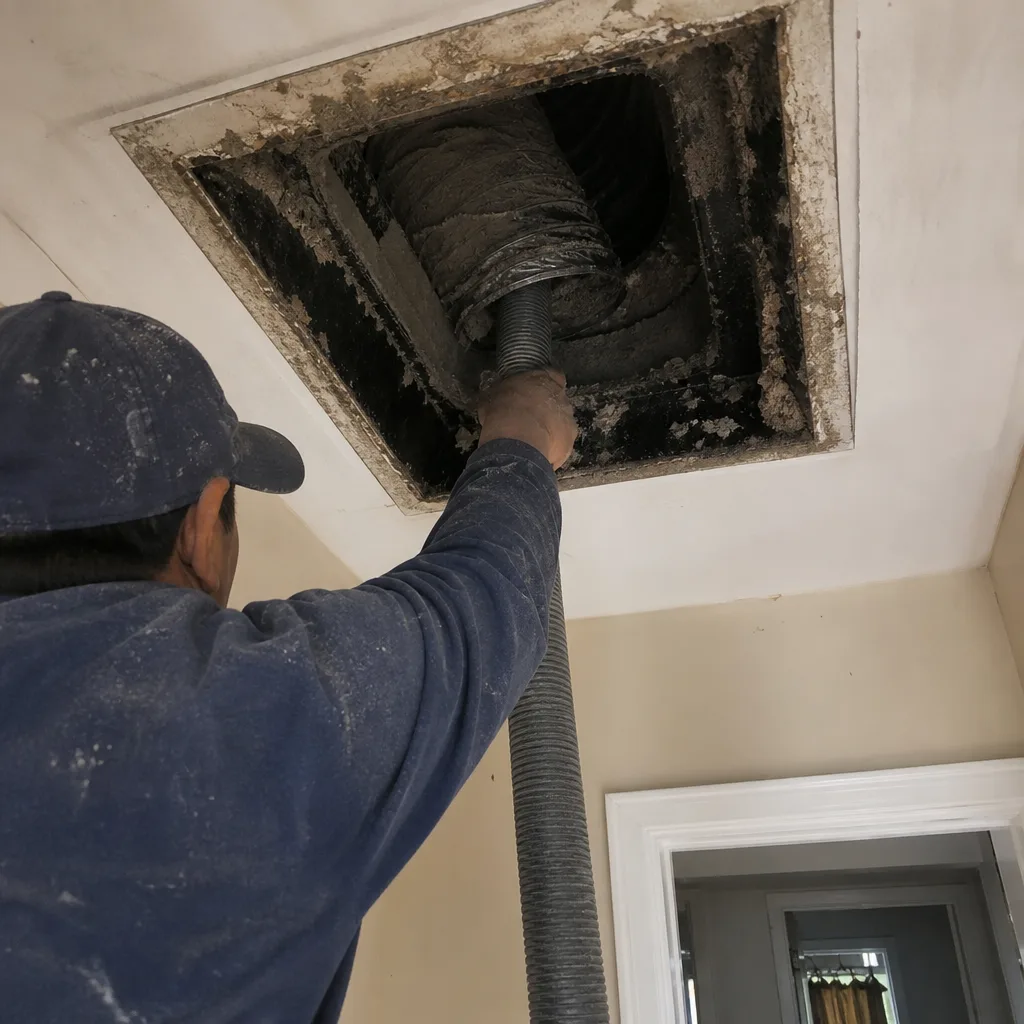 Before
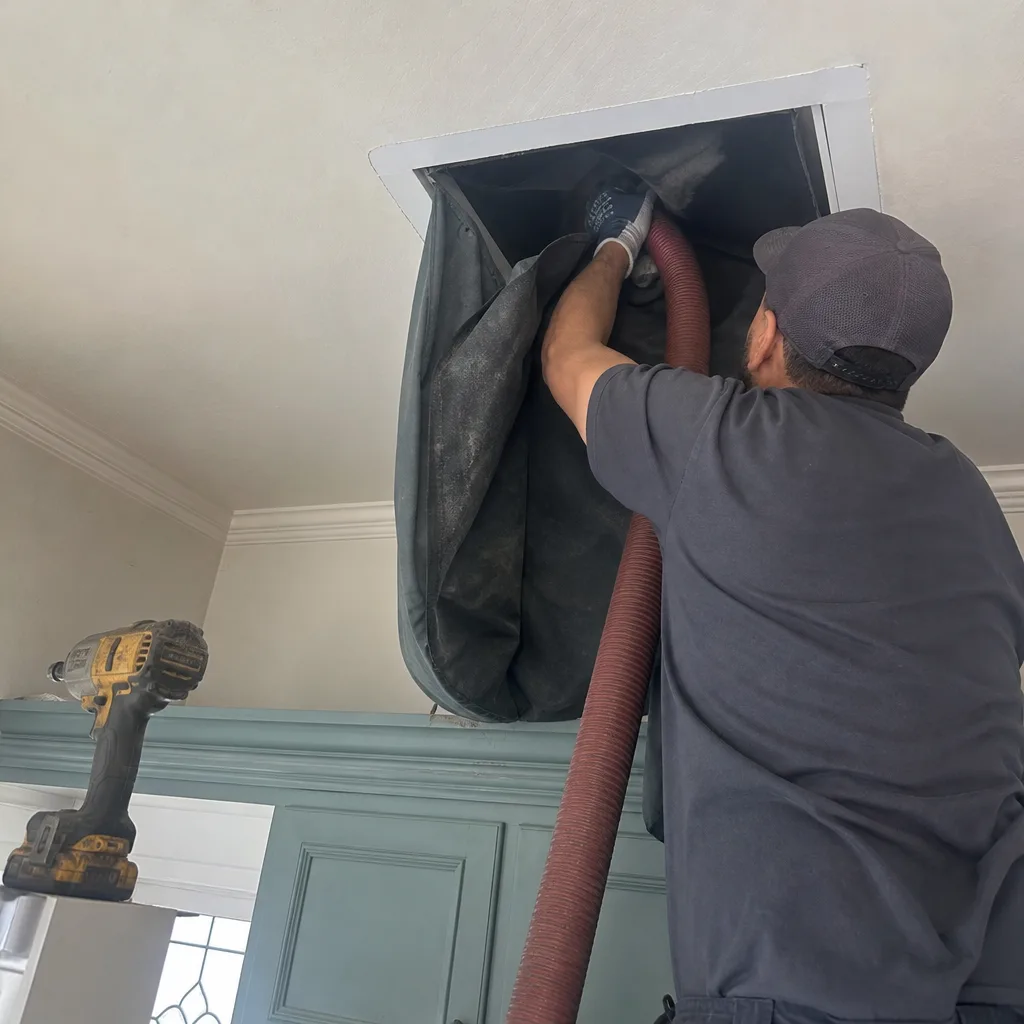 After
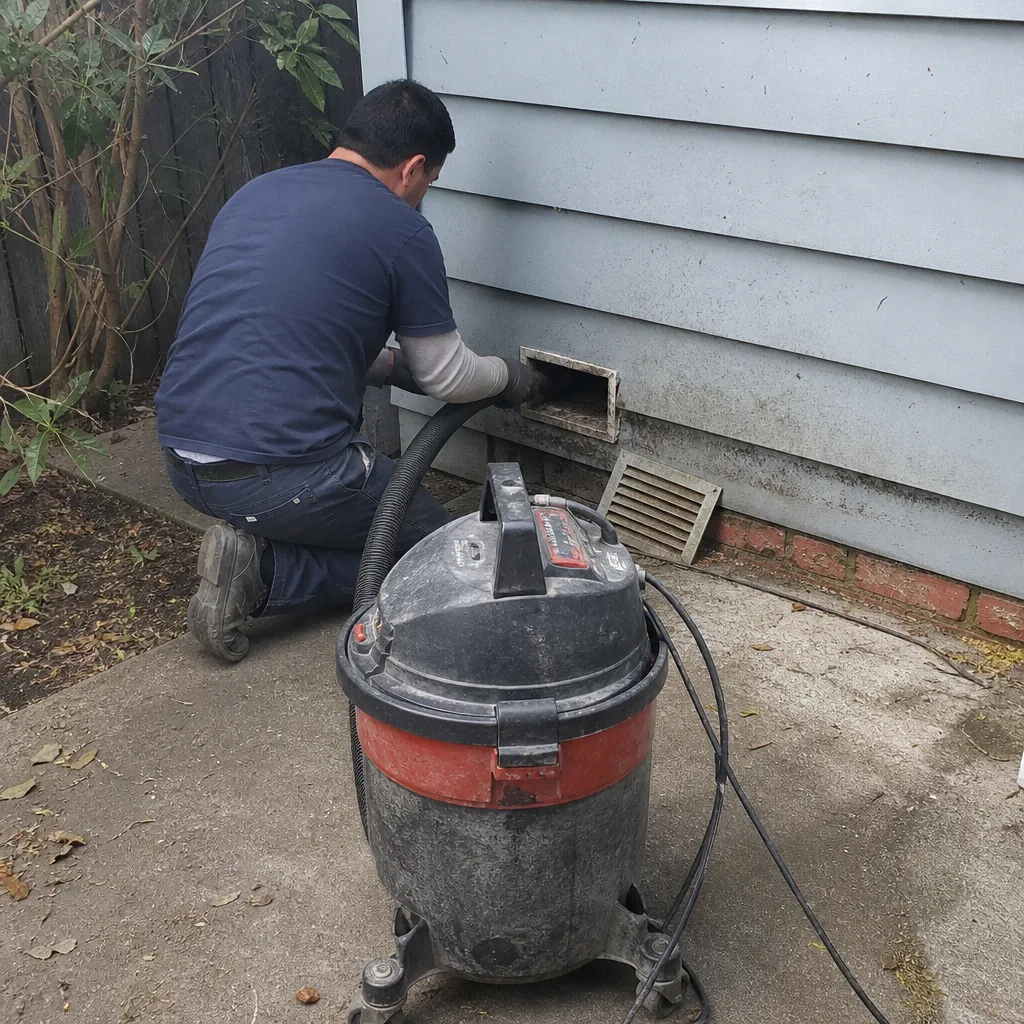 Before
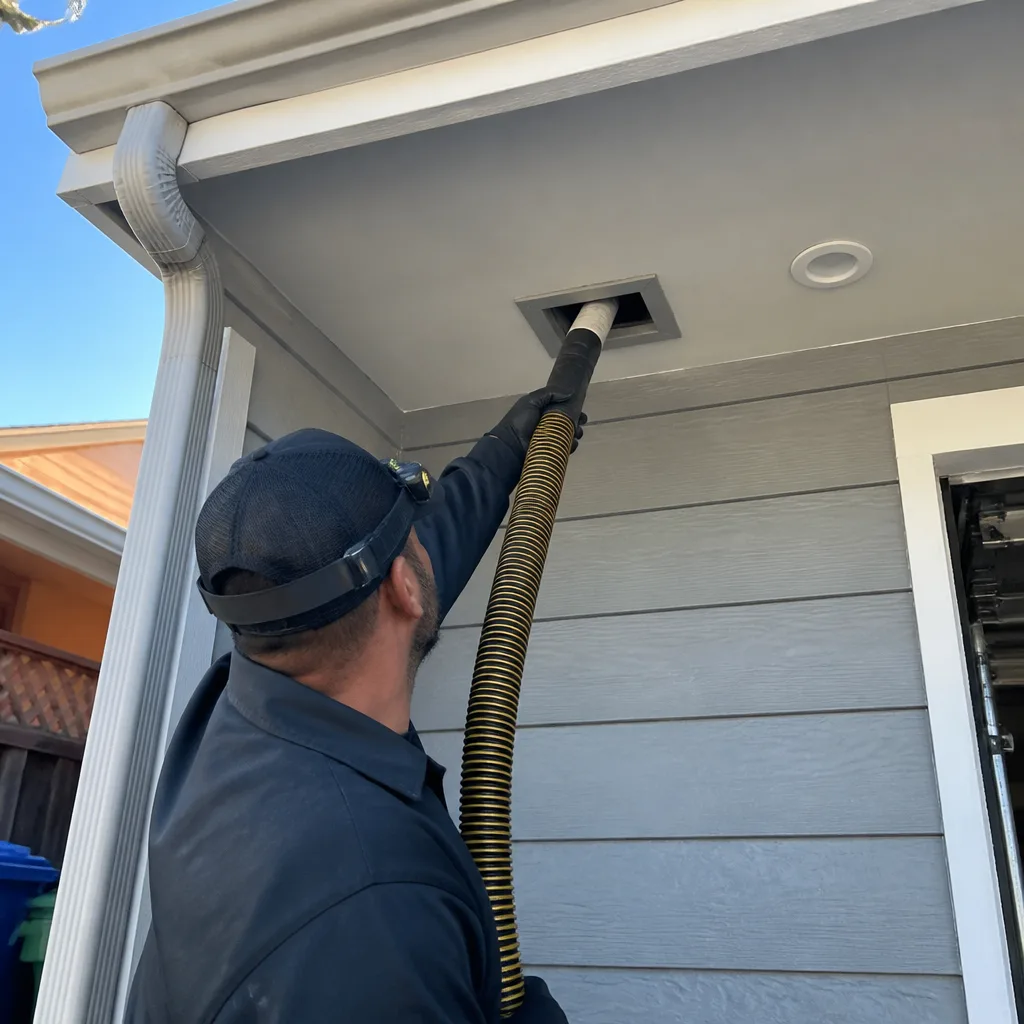 After
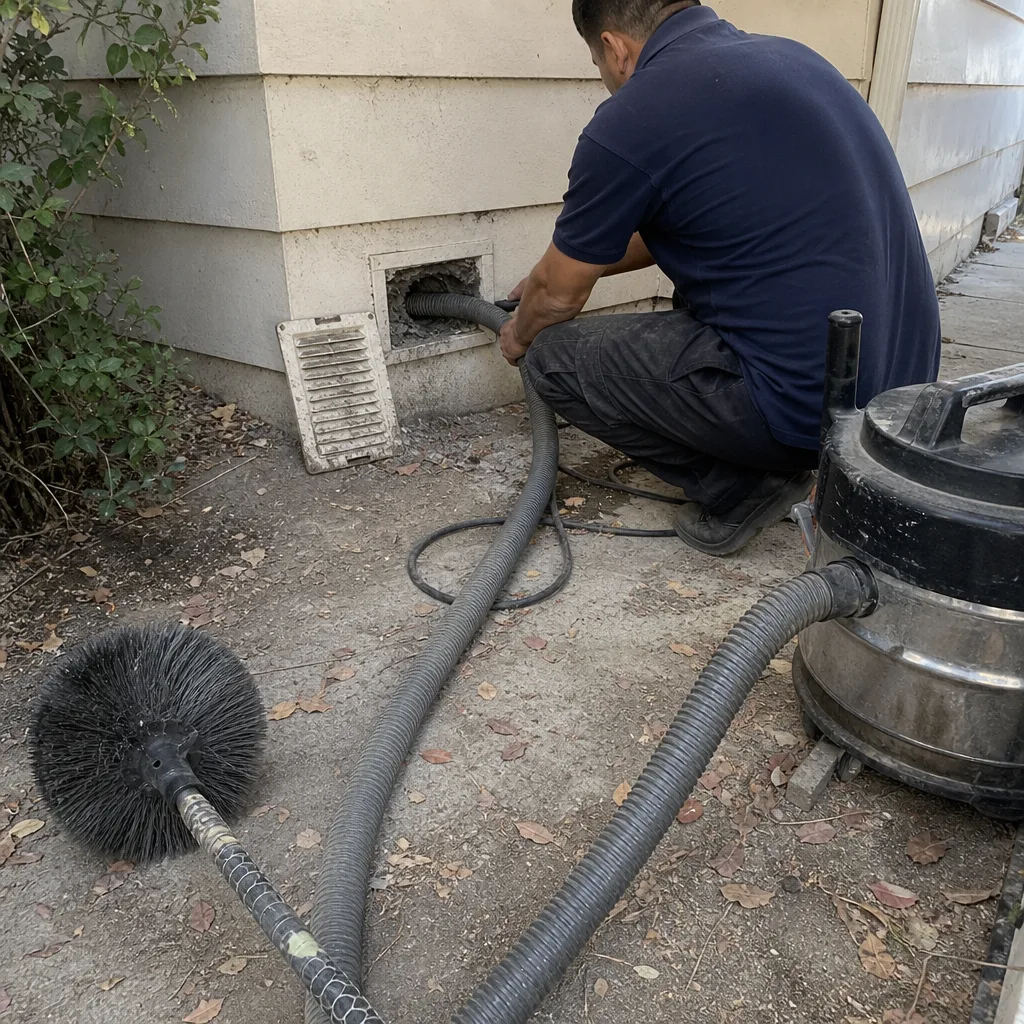 Before
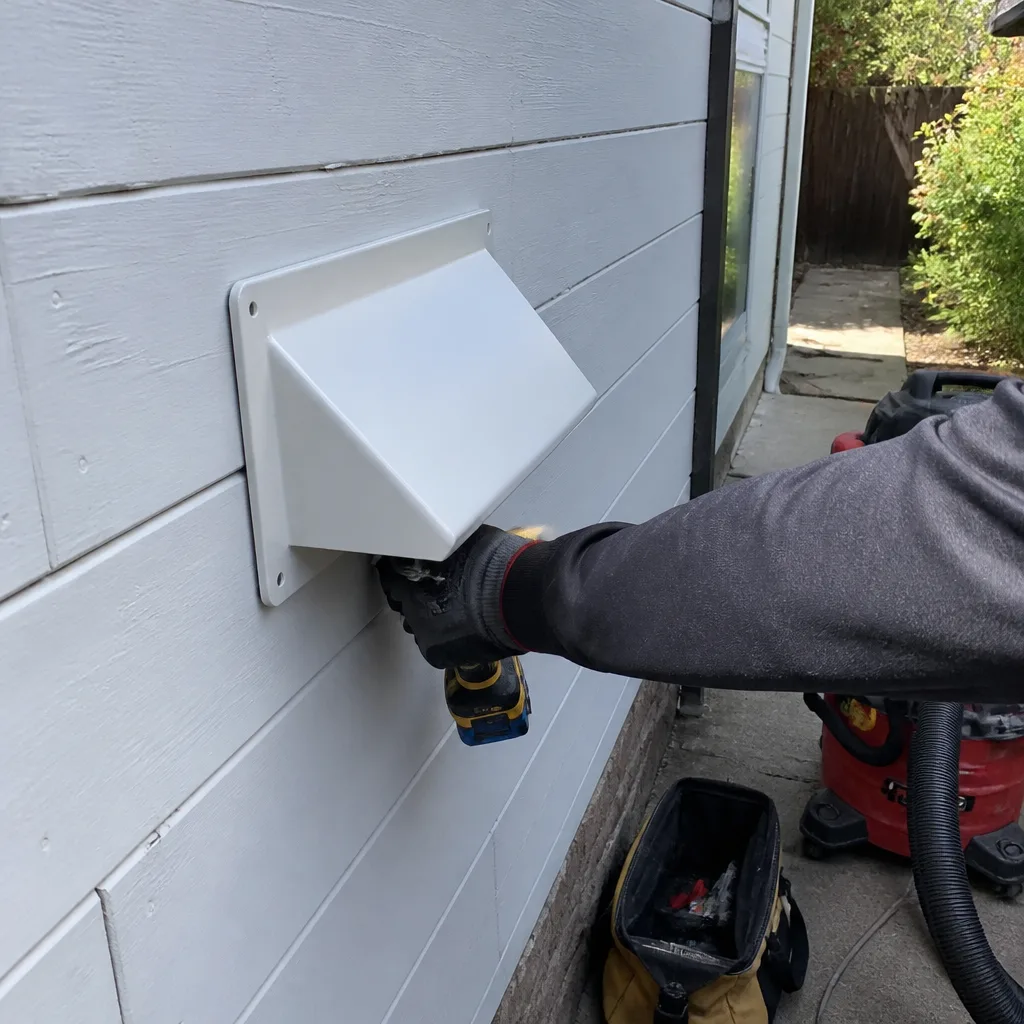 After
Frequently Asked Questions
For a standard single-family home in Alameda with one furnace and typical 8 to 14 registers, air duct cleaning typically falls between $400 and $900 depending on the system’s size, accessibility, and how long it’s been since the last cleaning. For a detailed look at pricing factors, read our Air Duct Cleaning Cost Breakdown: The Alameda Homeowner’s Reference for 2026. The variable isn’t the square footage of the home, it’s the linear footage of the duct system and whether the trunk is accessible from the crawlspace or attic. Older Alameda homes with crawlspace systems tend to run toward the higher end because access is slower. Call (833) 620-5944 for an exact quote on your system, estimates are free and include a camera inspection.
Lower-cost quotes usually come from operators who clean from the register end only, using a vacuum and a brush that reaches a few feet into each vent, without accessing the main trunk or the return plenum. That’s a partial cleaning that leaves the majority of the duct surface untouched, which is why the price is cheaper and why the results don’t last. The other variable is equipment: negative-air machines with HEPA filtration and rotary brush systems cost more to operate than portable shop vacuums, and that cost shows up in the price.
Ask for before-and-after photos of the inside of the ducts from the same camera angle. A camera inspection before the cleaning shows what the system looks like with debris present; the same camera after cleaning shows the same surfaces clear. We provide this as a standard part of every cleaning, and we encourage homeowners to look at the images before paying. If a company can’t or won’t show you the inside of your own ducts, that’s information worth having.
In Alameda’s climate, we recommend a full cleaning every two to three years for most homes, assuming the system is in good condition and the filter is changed regularly. Homes within two blocks of the estuary, homes with multiple pets, and homes with smokers or frequent indoor cooking may benefit from annual cleaning. The strongest signal isn’t time, it’s how the system behaves: if filters load in under six weeks, the ducts are carrying too much and a cleaning is overdue.
Duct cleaning removes the reservoir of dust, pollen, pet dander, and particulate that has accumulated inside the system and is being redistributed through the air every time the system cycles. If allergy symptoms are worse at home than away, and worse during heating and cooling seasons when the system runs more, that’s a meaningful signal that the duct contents are contributing. Cleaning won’t change the outdoor environment, but it removes the indoor reservoir that keeps reintroducing the same particulate load.
Yes. The equipment and process work in any weather, and the harbor climate doesn’t impose the same winter limitations that snow-belt locations face. The seasonal question is about optimization, not feasibility: a cleaning in late October prepares the system for the heating season, and a cleaning in late May clears spring pollen and pre-summer air conditioning strain. If you’ve never had the system cleaned and you’re noticing symptoms or visible dust, don’t wait for the calendar.
The Bottom Line
Your ducts in Alameda are accumulating material on a seasonal schedule, whether you’re watching or not. The fog season builds a moisture bond that turns light dust into adhered film; the spring canopy season loads the system with fine pollen; the dry summer afternoons pull in estuary particulate and open-window debris. The fix isn’t a cleaning every season, it’s a cleaning at the two points of maximum accumulation, with targeted inspections between them. Know what’s in your system, track what changes, and call a professional when the evidence says something is building that you can’t reach yourself. For more guides & resources on maintaining healthy indoor air, explore our blog.
Written by the team at Everclear Air Duct Cleaning, serving Alameda since 2017. Learn more about our equipment and approach at the Everclear Air Duct Cleaning home page.